Katla Ice Cave
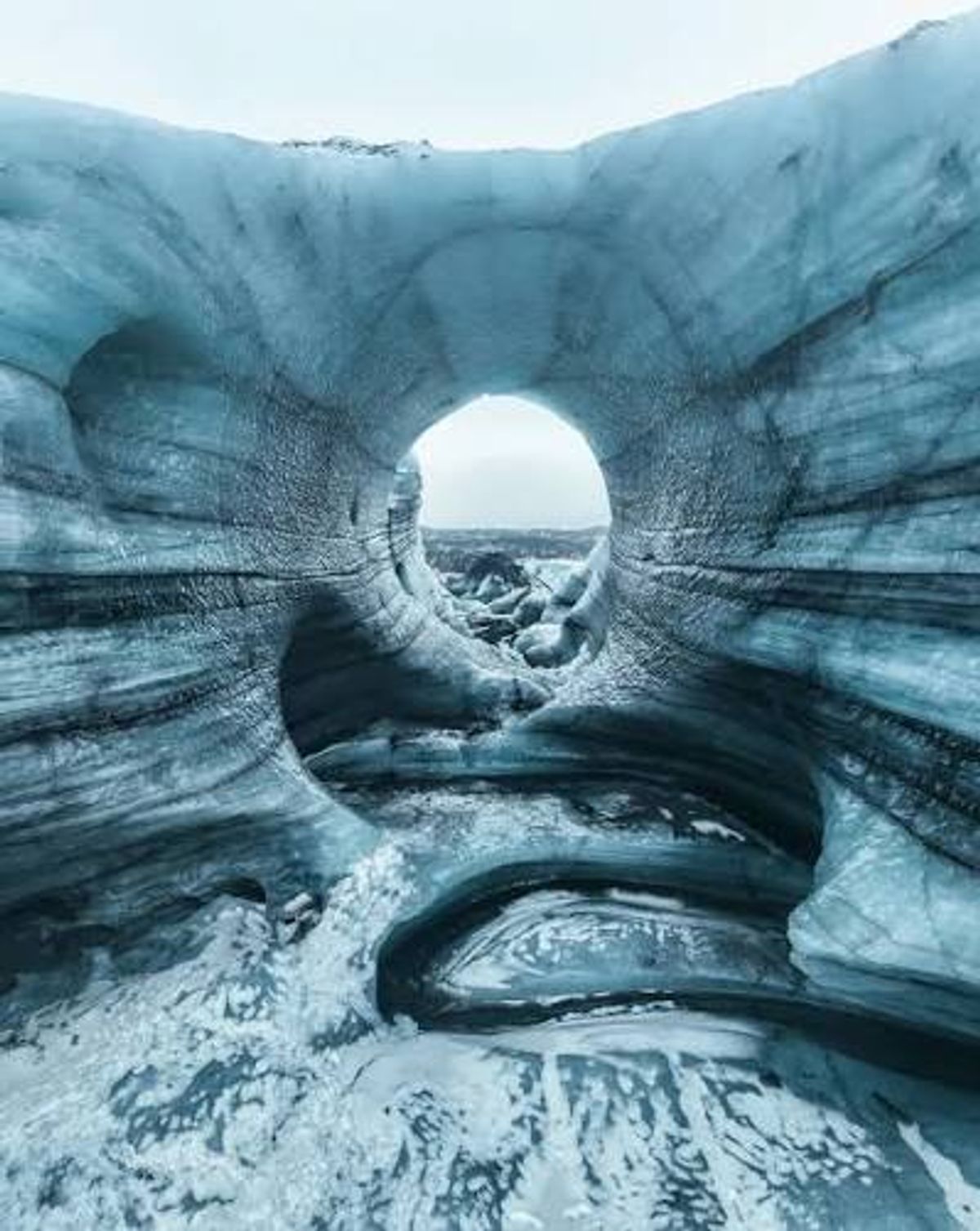
Explore the mesmerizing blue and black ice of Katla Ice Cave, carved by geothermal heat beneath an active volcano.
About
About Katla Ice Cave
Explore the mesmerizing blue and black ice of Katla Ice Cave, carved by geothermal heat beneath an active volcano.
Witness the rare beauty of an ice cave sculpted by volcanic forces beneath an active volcano.
Background
History & Background
The Katla Ice Cave, or Kötluíshellir, holds significant natural importance as one of South Iceland's most compelling geological formations. Its existence is intimately tied to the powerful forces at play in this volcanic region. Nestled within the expansive Kötlujökull glacier, which itself is an outlet of the active Katla volcano, the cave is a direct result of the unique interaction between glacial ice and subterranean geothermal heat. This distinctive formation process is what gives the Katla Ice Cave its renowned characteristics, particularly its mesmerizing blue and black ice. The geothermal activity from the underlying active volcano continuously carves and shapes the ice, making it a dynamic and ever-evolving natural wonder. The black ice layers are often attributed to layers of volcanic ash deposited over millennia, preserved within the glacial ice, offering a tangible link to Katla's eruptive history. Its significance lies not just in its beauty, but in its ability to showcase the powerful and unique geological dance between ice and fire that defines much of Iceland's landscape.
The Katla Ice Cave, known locally as Kötluíshellir, stands as a truly significant natural wonder in the heart of South Iceland. This remarkable ice cave is uniquely situated within the expansive Kötlujökull glacier, an outlet glacier of the mighty Katla volcano. What sets this cave apart is its extraordinary formation: rather than solely being sculpted by glacial melt, the Katla Ice Cave is profoundly influenced by the geothermal heat emanating from the active volcano beneath. This unique interplay of ice and fire results in the cave's distinctive and mesmerizing blue and black ice formations, offering visitors an unparalleled visual spectacle. Exploring the Katla Ice Cave is an immersive journey into geological artistry. The vibrant blue hues speak of compressed, ancient ice, while the striking black layers are a direct result of volcanic ash inclusions from past eruptions, creating a stark and beautiful contrast. The pathways, intricately carved by the persistent geothermal activity, lead adventurers deeper into this subterranean world. It's a place where the raw power of Iceland's volcanic landscape converges with the serene beauty of its glaciers. When visiting, prepare for cold temperatures even in summer. Guided tours are essential for safety and to fully appreciate the cave's unique features. The cave's dynamic nature means its appearance can change from season to season, offering a fresh experience with each visit. It's not merely an ice cave; it's a living testament to the powerful, ongoing geological processes that shape Iceland, making it an unforgettable destination for those seeking to witness nature's raw, artistic handiwork.
Folklore
Story & Folklore
Imagine standing at the threshold of the Earth's raw power, where ice meets fire. Deep within South Iceland, nestled in the vast expanse of Kötlujökull glacier, lies the Katla Ice Cave. Here, the very ground beneath your feet vibrates with the dormant energy of an active volcano. As you step inside, a world of ethereal blue and stark black ice unfolds, a testament to nature's artistry. Geothermal heat, rising from the fiery depths below, has sculpted these intricate passageways, creating a landscape unlike any other. Each turn reveals new patterns, new shades, as ancient ice, darkened by volcanic ash, tells a silent story of geological time. The air is crisp, the silence profound, broken only by the drip of melting ice, a subtle reminder of the ongoing dance between ice and heat. This isn't just a cave; it's a living, breathing testament to Iceland's extraordinary geological forces, a place where you can truly feel the pulse of the planet.
💡 Did You Know?
Did you know Katla Ice Cave (Kötluíshellir) is uniquely formed by geothermal heat beneath an active volcano, resulting in striking blue and black ice?
Local Legend
Not specified in research
Not specified in research
Experiences
Tours Near Katla Ice Cave
Best-rated Iceland experiences — book with free cancellation


Culture
Stories & Legends
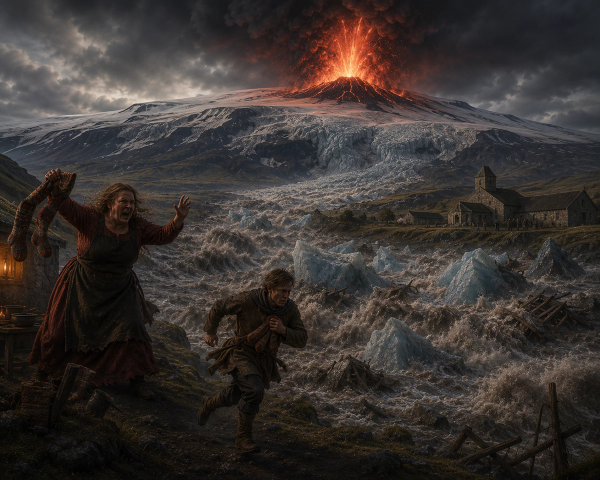
Icelandic sagas and folklore from this area
Explore
Hidden Gems Nearby
✦ Glacier Sounds
Stop and listen — glaciers make haunting sounds as ice shifts and meltwater flows beneath the surface.
The creaking, groaning, and rushing sounds remind you that glaciers are living, moving rivers of ice.
✦ Ice Colors
Look carefully at the ice — you'll see shades of white, blue, and even black from volcanic ash layers.
The blue color comes from compressed ice that absorbs red light, and ash layers mark historical eruptions.
✦ Glacier Edge Ecology
The area where the glacier meets rock supports a unique micro-ecosystem of hardy organisms.
Pioneer plants and insects colonizing newly exposed land offer a real-time view of ecological succession.
Help
Frequently Asked Questions
Location
📍 Location
Discover
Explore Nearby
Places from our database within 1.0 km — all data from Sanity
Loading nearby places…
0 places found within 1.0 km
Plan full itinerary →Explore More