Þingvallavatn
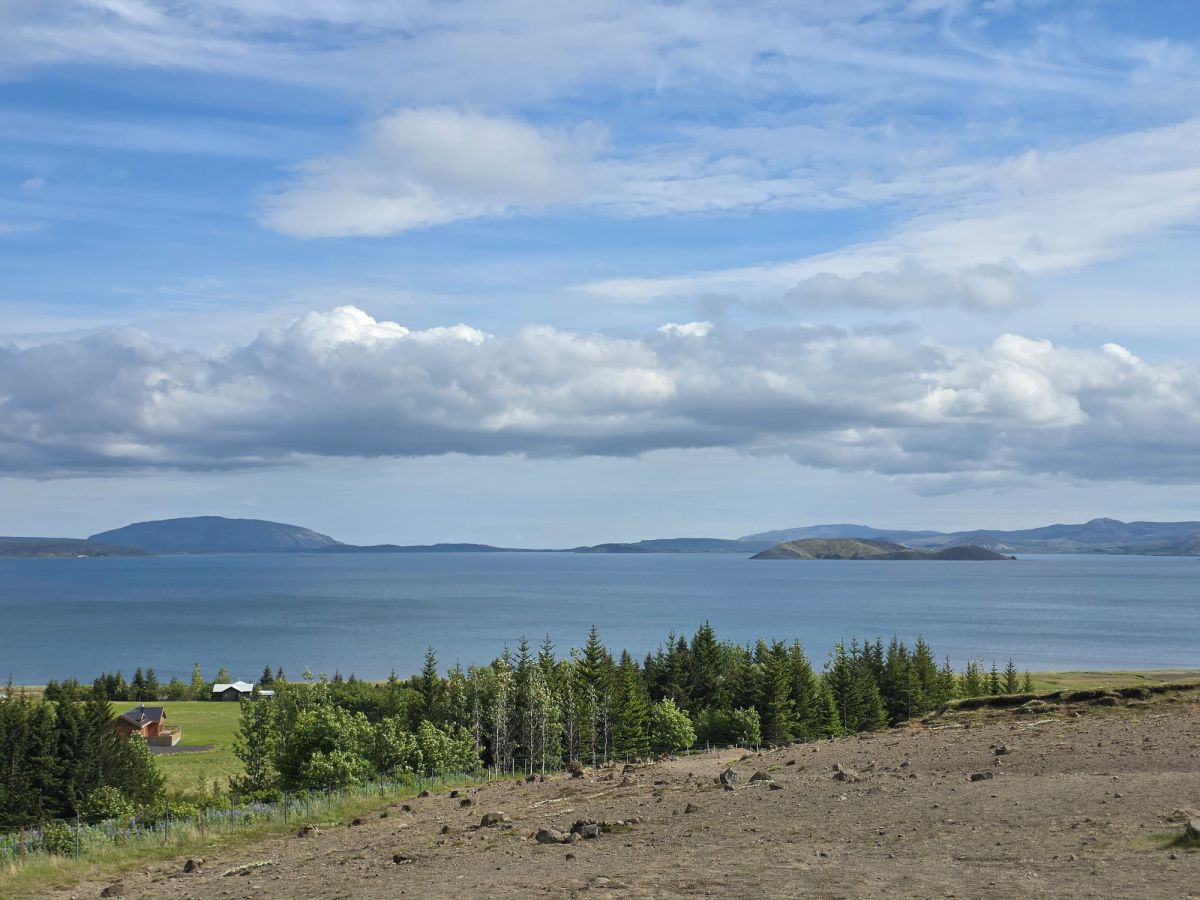
Iceland's largest lake, cradled in a tectonic rift, offering unique char, crystal-clear diving, and stunning vistas.
At a Glance
Visit time
Dedica de 2 a 4 horas para explorar los miradores, disfrutar de paseos cortos, o más tiempo para excursiones de buceo/pesca.
Best season
Los meses de verano (mayo-septiembre) para bucear y disfrutar de actividades al aire libre; el invierno ofrece una belleza austera y dramática.
Access
Ubicado en el sur de Islandia, fácilmente accesible en coche desde Reikiavik a través de la Ruta 36. Forma parte de la ruta del Círculo Dorado.
GPS
64.1954, -21.1374
About
About Þingvallavatn
Iceland's largest lake, cradled in a tectonic rift, offering unique char, crystal-clear diving, and stunning vistas.
Witness the geological marvel of a lake cradled by tectonic plates, offering unique diving and fishing opportunities.
Background
History & Background
Historically known as Ölfusvatn, Þingvallavatn holds a significant place in Iceland's natural heritage as its largest natural lake. Its formation is intrinsically linked to the powerful geological forces that shaped the island. The lake lies within the Þingvellir rift valley, a visible manifestation of the Mid-Atlantic Ridge where the North American and Eurasian tectonic plates slowly pull apart. This geological activity has not only created the stunning rift landscape but also influenced the lake's unique characteristics, including its crystal-clear waters fed by springs and its distinct ecosystem. The historical name Ölfusvatn reminds us of its long-standing presence and importance to the region, long before it became a celebrated natural wonder known for its unique char and diving opportunities.
Þingvallavatn, a majestic natural wonder in South Iceland, stands as the country's largest natural lake, a true testament to the island's dynamic geological forces. Historically referred to as Ölfusvatn, its ancient name hints at a long-standing significance in the region. The lake is famously cradled within a prominent tectonic rift, a visible manifestation of the Mid-Atlantic Ridge where the North American and Eurasian plates slowly diverge. This unique geological setting not only shapes its dramatic surrounding landscape but also contributes to the lake's most celebrated feature: its astonishingly crystal-clear waters. Visitors are drawn to Þingvallavatn for a multitude of reasons. For divers, it offers an extraordinary opportunity to explore the underwater fissures and canyons, most notably Silfra, where one can literally swim between continents in water visibility that can exceed 100 meters. Anglers, too, find a paradise here, with the lake being home to a unique and genetically distinct population of Arctic char, adapted to its cold, pristine environment. Beyond water activities, the lake's shores provide stunning vistas for hikers and photographers, showcasing the raw beauty of Iceland's rift valley. The interplay of water, geology, and vibrant life makes Þingvallavatn an unforgettable destination, offering both serene beauty and thrilling adventure amidst one of Earth's most active geological zones.
Folklore
Story & Folklore
Imagine standing on the shores of Þingvallavatn, the air crisp, the silence profound, broken only by the gentle lapping of water. Below the surface, a world of unparalleled clarity awaits divers, where the continental plates stretch apart, creating stunning underwater canyons. The lake's unique ecosystem nurtures a distinctive char population, a testament to its pristine environment. Above, the dramatic landscape, shaped by millennia of geological forces, unfolds under the vast Icelandic sky. This isn't just a lake; it's a living, breathing testament to Iceland's raw, untamed beauty, inviting you to connect with nature on a profound level, where water meets rift and history meets the present.
💡 Did You Know?
Þingvallavatn, once historically known as Ölfusvatn, holds the title as the largest natural lake in all of Iceland.
Local Legend
Legends of Þingvallavatn
Þingvallavatn has been part of Icelandic folklore for generations. Local tales speak of hidden people (huldufólk) and other supernatural beings who inhabit the area. According to tradition, this place deserves respect and visitors should be mindful of the ancient spirits who call it home.
Culture
Stories & Legends
Icelandic sagas and folklore from this area
Explore
Hidden Gems Nearby
✦ Off-Peak Visit
Visit Þingvallavatn during shoulder season (May or September) for a perfect balance of access and solitude.
You'll experience the site without summer crowds while still having good weather and daylight.
✦ Local Flora
Look for the native Icelandic plants growing in the area — Arctic thyme, moss campion, and various lichens.
These resilient plants have adapted to survive harsh conditions and add subtle beauty to the landscape.
✦ Changing Light
Þingvallavatn looks dramatically different depending on the time of day and weather conditions.
Cloud shadows, rain showers, and low-angle sunlight can transform the landscape within minutes — Iceland's famous "four seasons in one day."
Help
Frequently Asked Questions
Location
📍 Location
Discover
Explore Nearby
Places from our database within 1.0 km — all data from Sanity
Loading nearby places…
0 places found within 1.0 km
Plan full itinerary →Explore More