Morsárjökull
Witness the dramatic interplay of ice, rock, and water where Iceland's highest waterfalls plunge from a retreating glacier.
About
About Morsárjökull
Witness the dramatic interplay of ice, rock, and water where Iceland's highest waterfalls plunge from a retreating glacier.
Experience Iceland's dynamic glacial landscape and witness the stunning Morsárfoss, possibly the nation's highest waterfall.
Background
History & Background
Morsárjökull, like all of Iceland's glaciers, is a relic of past ice ages, a massive slow-moving river of ice that has sculpted the landscape over millennia. It is an outlet glacier of the immense Vatnajökull ice cap, which itself is a dominant feature of Iceland's geography, covering approximately 8% of the country's land area. Historically, these glaciers have been powerful agents of erosion and deposition, shaping the valleys and plains that characterize much of Iceland's interior and coastline. The region around Morsárjökull, Öræfi, has a rich history of human settlement, often living in close proximity to these powerful natural forces, experiencing both their beauty and their potential for destructive jökulhlaups (glacial outburst floods). In recent decades, Morsárjökull has gained particular scientific and public attention due to its rapid retreat, a clear and visible consequence of global climate change. This retreat has not only altered the landscape dramatically but also revealed previously hidden features, most notably Morsárfoss. The emergence and growth in height of this waterfall directly correlate with the glacier's diminishing size, making Morsárjökull a potent symbol and a natural laboratory for observing environmental shifts. Its significance now lies not only in its majestic beauty but also as a powerful indicator of the planet's changing climate, attracting visitors who wish to witness these profound transformations firsthand.
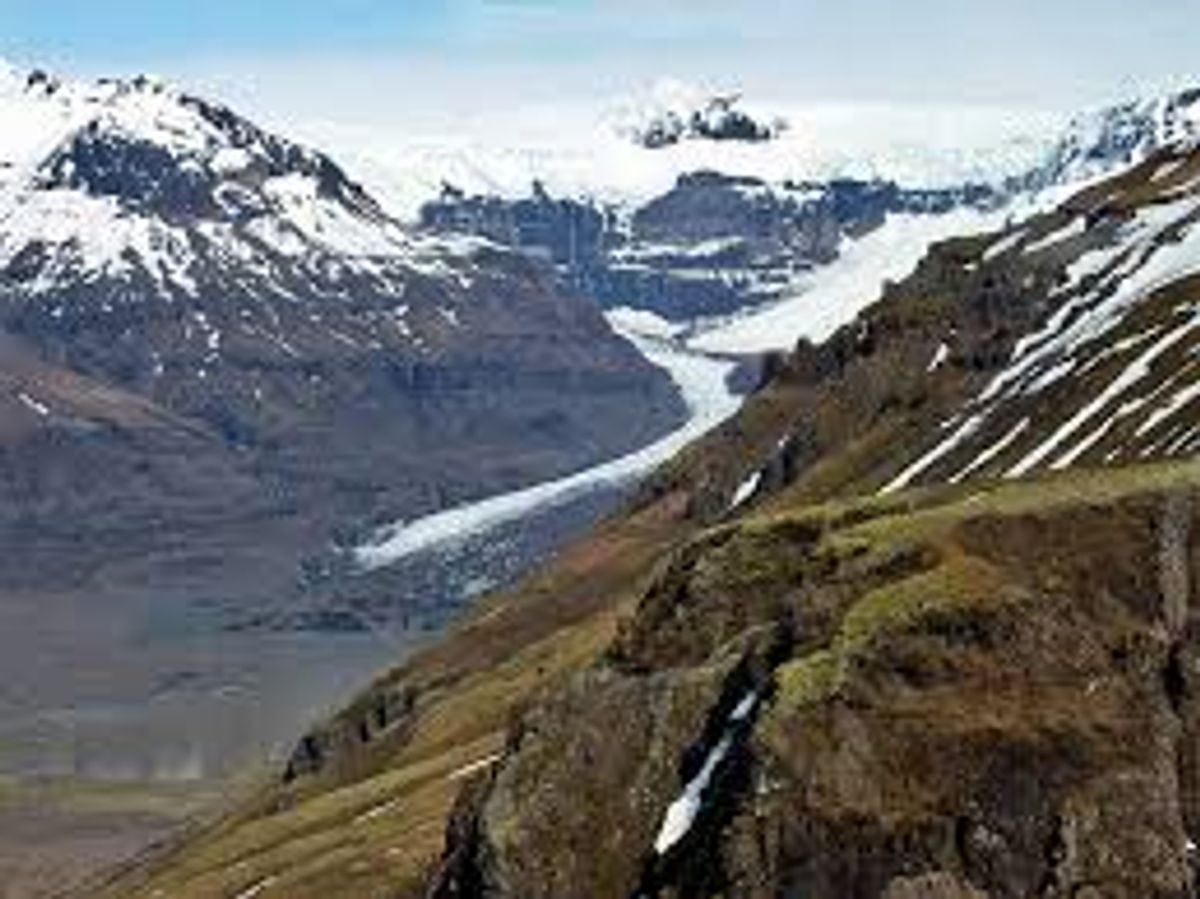
Morsárjökull, a magnificent outlet glacier of Vatnajökull, Europe's largest ice cap, offers a dramatic encounter with Iceland's powerful natural forces. Nestled in the Öræfi region, a part of what is broadly considered East Iceland for administrative purposes, this area is a stunning tapestry of contrasting elements: vast expanses of ice, towering snow-capped peaks, dark volcanic sands, and resilient pockets of vegetation clinging to the rugged slopes visible in the foreground. The most compelling feature of Morsárjökull is its dynamic interaction with the surrounding environment. As the glacier has retreated over recent decades, it has unveiled a spectacular sight: Morsárfoss, believed to be Iceland's highest waterfall. This impressive cascade forms as meltwater from the glacier plunges over a sheer cliff face that was once hidden beneath the ice. The sight of the water plummeting hundreds of meters into the valley below is both awe-inspiring and a stark visual reminder of the effects of climate change on Iceland's iconic glaciers. Visiting Morsárjökull provides a unique opportunity to witness geological processes in action. The scale is immense; from the winding tongue of ice to the distant, snow-covered mountain ranges that feed it, the landscape is one of raw, untamed beauty. While direct access to the glacier snout can be challenging and often requires experienced guides, viewpoints in the surrounding area offer incredible vistas. The interplay of light on the ice and the surrounding rock, especially during different times of day, creates ever-changing scenes that captivate photographers and nature enthusiasts alike. It's a destination that truly encapsulates the wild heart of Iceland.
Folklore
Story & Folklore
Standing before Morsárjökull, you feel the profound silence of a world carved by ice. The glacier, a sinuous ribbon of ancient blue and white, snakes through a vast valley, flanked by dark, formidable mountains streaked with snow and patches of hardy vegetation. It's a landscape of stark contrasts: the brilliant white of the ice against the deep browns and greens of the earth, the stillness broken only by the distant rumble of meltwater. This is where time is measured not in years, but in millennia, etched into the very rock. As you gaze upwards, you might catch a glimpse of the famed Morsárfoss, an ethereal veil of water cascading from the glacier's receding face, a stark and beautiful reminder of the planet's ever-changing dance between ice and rock. It's a place where the air itself feels ancient, carrying whispers of geological epochs and the persistent, powerful song of nature.
💡 Did You Know?
Morsárjökull is home to Morsárfoss, considered by many to be Iceland's highest waterfall, formed by meltwater plunging from the glacier's edge as it retreats.
Local Legend
The Weeping Glacier's Secret Falls
Local folklore tells of a hidden realm beneath Morsárjökull, guarded by ancient spirits. As the glacier weeps tears of ice in its retreat, it reveals the sacred Morsárfoss, said to be the gateway to this mystical land, only accessible to those with pure hearts.
Experiences
Tours Near Morsárjökull
Best-rated Iceland experiences — book with free cancellation


Location
📍 Location
Discover
Explore Nearby
Places from our database within 1.0 km — all data from Sanity
Loading nearby places…
0 places found within 1.0 km
Plan full itinerary →Explore More