About
About Laugadælaferja
A historic ferry crossing point on the Ölfusá river, offering a glimpse into Iceland's travel past.
Experience a piece of Icelandic history at a scenic river crossing, imagining past travelers' arduous journeys.
Background
History & Background
For centuries, the Laugardæla ferry crossing on the Ölfusá river was one of the most important points for overland travel in southern Iceland. Before the construction of bridges, the powerful Ölfusá river, fed by glacial melt, presented a significant natural barrier. At Laugardæla, a ferryman would operate a small boat, transporting people, their belongings, and goods across the river, facilitating trade and communication between communities. This was often a difficult and dangerous task, particularly during the harsh winter months when conditions could be treacherous. Horses, integral to Icelandic travel, were not transported by boat but were instead guided to swim across the river alongside the ferry. This practice, while common, highlights the inherent risks and challenges of travel in Iceland's past. The crossing spanned approximately 130 meters (430 feet), with a specific landing spot on the far bank marked by a small black rock, which remains visible today. The ferry itself was named after the farm Laugardæli, situated on the opposing side of the river, emphasizing its local significance. The era of the Laugardæla ferry came to an end in 1891 with the completion of the first bridge over the Ölfusá river, located downstream from the ferry crossing. This engineering feat revolutionized travel in the region, rendering the traditional ferry service obsolete. Today, the site stands as a historical marker, commemorating the ingenuity and resilience of past generations who navigated Iceland's challenging landscapes.
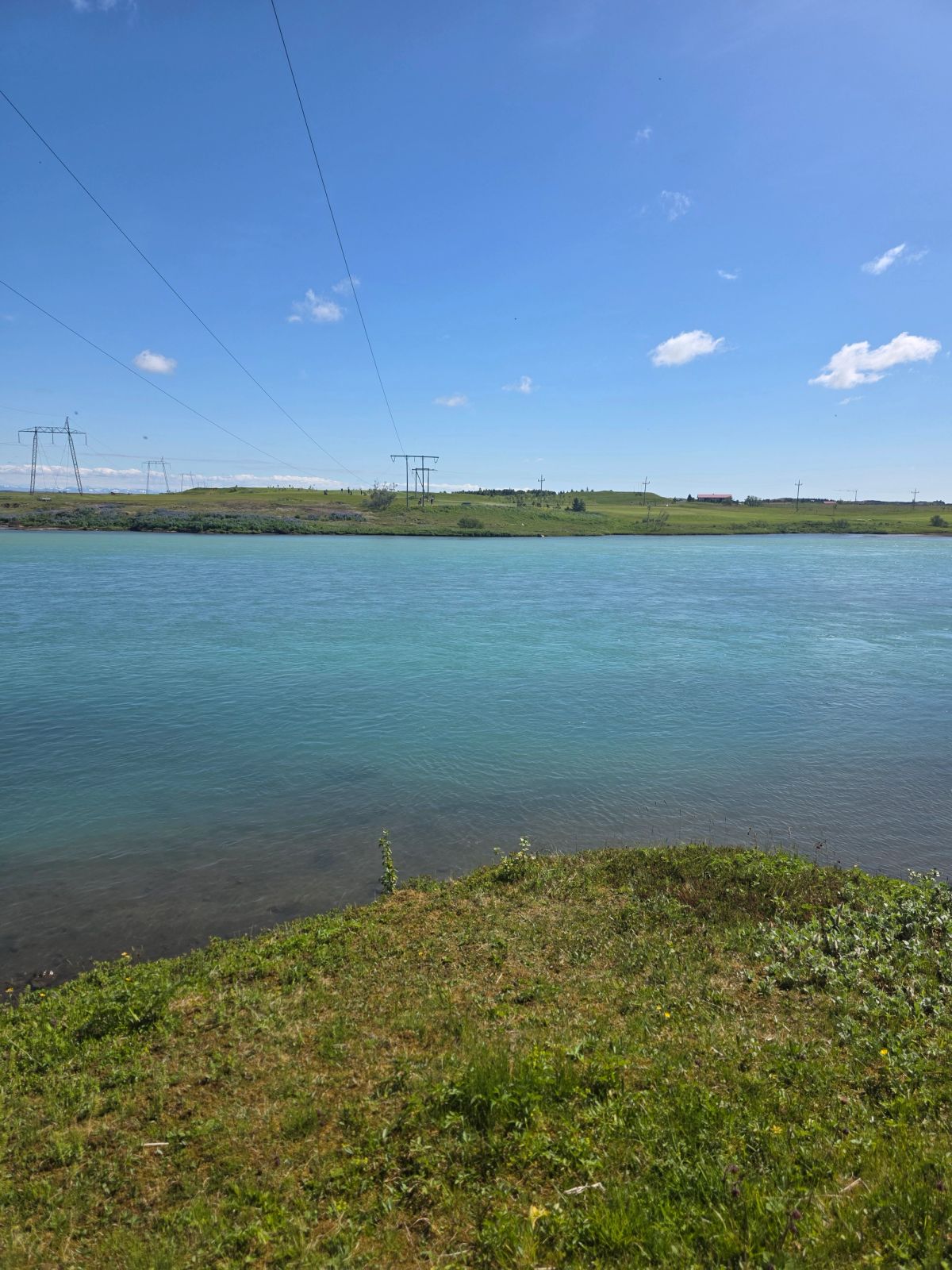
Perched on the verdant banks of the Ölfusá river, the Laugardælaferja site offers a captivating window into Iceland's historical transportation. Before the advent of modern bridges, this location served as a crucial ferry crossing, connecting travelers moving east and west across the formidable Ölfusá. The river, with its distinctive glacial turquoise color, still flows powerfully today, much as it did centuries ago when a ferryman would row passengers and their baggage across its 130-meter (430-foot) width. The journey was often challenging, especially during the harsh Icelandic winters, when the currents were strong and the weather unforgiving. Horses, indispensable for travel, would swim across, a testament to the rugged nature of Icelandic journeys. The landing on the opposite bank was just above a small black rock, still visible in the river today, a tangible link to the past. The ferry, named after the farm Laugardæli on the other side, ceased operations in 1891 with the construction of the first Ölfusá bridge, marking the end of an era. Today, visitors can stand on the grassy bank, gaze at the beautiful river, and reflect on the ingenuity and bravery of those who relied on this vital crossing. The surrounding landscape, with its distant hills and power lines, adds to the serene yet historically rich atmosphere.
Folklore
Story & Folklore
Imagine a time before bridges, when the mighty Ölfusá river, with its striking turquoise hue as seen today, presented a formidable barrier. Here, at Laugardæla, a lone ferryman would skillfully navigate a small boat, transporting eager travelers and their precious cargo between the verdant banks. The air would be thick with anticipation, the sounds of the rushing water a constant companion. Horses, essential companions for long journeys, would bravely swim alongside, their powerful forms cutting through the cold currents. It was a challenging, often perilous journey, particularly during the harsh Icelandic winters. Yet, it was a vital lifeline, connecting communities and facilitating trade. This spot, now marked by a humble sign, whispers tales of resilience and human ingenuity, a testament to the spirit of those who traversed this wild land. The distant power lines, a symbol of modern connection, stand in stark contrast to the ancient ways of crossing, making the historical significance all the more profound.
💡 Did You Know?
Horses used to swim across the Ölfusá river at this ferry point, a dangerous feat, especially in winter.
Local Legend
The Black Rock Marker of Ölfusá Ferry
While not a myth, the sign mentions a small black rock on the far bank that marked the landing spot for the ferry. This rock served as a vital guide for the ferryman, a silent witness to countless journeys and the changing seasons.
Experiences
Tours Near Laugadælaferja
Best-rated Iceland experiences — book with free cancellation


Explore
Hidden Gems Nearby
✦ Stóri-Hellir cave
Located 1 km from the ferry site, this cave offers a glimpse into Iceland's geological formations and potential historical shelters.
Explore a natural cave nearby, adding an element of adventure to your visit.
✦ Ölfusá River Info Point
About 2 km away, this point provides more detailed information about the Ölfusá river, its ecosystem, and significance.
Deepen your understanding of the powerful Ölfusá river and its role in the region.
✦ Ölfusá Bridge
The first Ölfusá bridge, built in 1891 and located 2 km downstream, replaced the ferry and is a testament to Icelandic engineering.
See the historic bridge that brought an end to the ferry era and revolutionized local travel.
Help
Frequently Asked Questions
Location
📍 Location
Discover
Explore Nearby
Places from our database within 1.0 km — all data from Sanity
Loading nearby places…
0 places found within 1.0 km
Plan full itinerary →Explore More