Laki Craters
Laki is a volcanic fissure system in the central Highlands that produced one of the most catastrophic volcanic events in recorded history — an eruption in 1783–…
About
About Laki Craters
Laki is a volcanic fissure system in the central Highlands that produced one of the most catastrophic volcanic events in recorded history — an eruption in 1783–84 that changed global climate and caused mass death across Europe.
Hike a system of craters that reshaped Icelandic society in 1783–84, in a landscape that still shows the raw power of what happened here.
Background
History & Background
The Laki eruption of June 1783 – February 1784 was one of the most consequential volcanic events in human history. The eruption produced 14 km³ of lava — the largest lava flow in historical times — and released enormous amounts of sulfur dioxide into the atmosphere. The resulting 'Laki Haze' killed crops across Europe, caused famine that may have contributed to the French Revolution, and the resulting famine in Iceland killed approximately 25% of Iceland's entire population. It also caused an unusually cold winter in North America, disrupting military operations during the American Revolutionary War.
Laki Craters is one of the most interesting natural attractions in highlands of Iceland.
Folklore
Story & Folklore
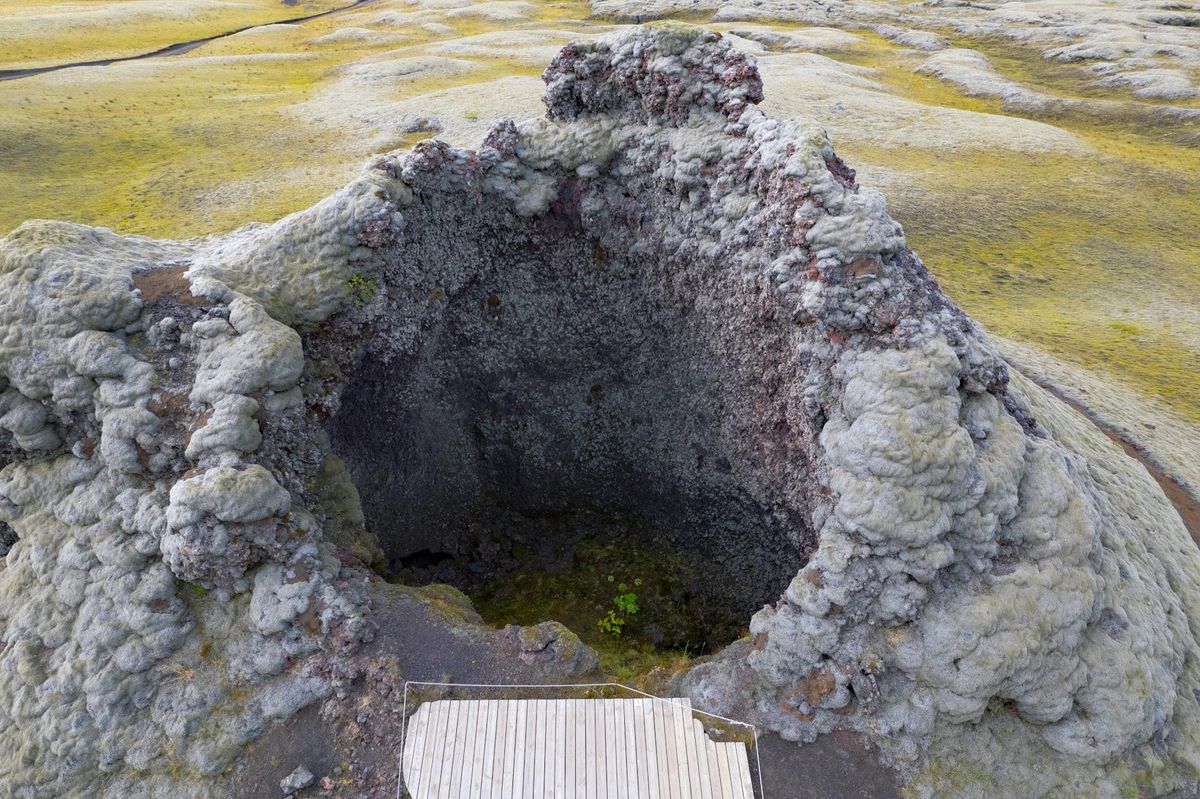
The Laki fissure erupted over eight months from June 1783 — not in a single volcano, but from a 27-kilometre row of 130 craters that opened simultaneously along a volcanic fissure. The eruption produced 14 km³ of basaltic lava (covering 565 km² — the Eldhraun lava field) and enormous clouds of sulphur dioxide and fluorine gas. The fluorine poisoned grasslands across Iceland, killing 70% of the country's livestock. Famine followed: 9,000 Icelanders died — a quarter of the population. The sulphur haze reached Europe, disrupting agriculture and contributing to the sequence of events that led to the French Revolution. A trail climbs several of the craters today. Accessible only by F-road from June to September.
💡 Did You Know?
The 1783 Laki eruption released enough sulphur dioxide to kill one-quarter of Iceland's population and caused famines across Europe. Some historians believe it contributed to the conditions that led to the French Revolution.
Local Legend
Legends of Laki Craters
Laki Craters has been part of Icelandic folklore for generations. Local tales speak of hidden people (huldufólk) and other supernatural beings who inhabit the area. According to tradition, this place deserves respect and visitors should be mindful of the ancient spirits who call it home.
Experiences
Tours Near Laki Craters
Best-rated Iceland experiences — book with free cancellation


Explore
Hidden Gems Nearby
✦ Lava Formations Close-Up
Look carefully at the lava formations near Laki Craters — each tells a story of how it cooled.
Rope lava, pillow lava, and columnar basalt each formed under different conditions, creating a geological textbook in stone.
✦ Moss & Lichens
The moss and lichen growing on the volcanic rock are some of the first life to colonize new lava fields.
Some of these organisms grow less than 1cm per year, meaning the patches you see may be decades or centuries old.
✦ Sunset Colors
The volcanic rock takes on incredible red and gold hues during sunset.
The iron-rich minerals in the lava glow in warm light, creating a photographer's paradise.
Help
Frequently Asked Questions
Location
📍 Location
Discover
Explore Nearby
Places from our database within 1.0 km — all data from Sanity
Loading nearby places…
0 places found within 1.0 km
Plan full itinerary →Explore More