Heiðmörk
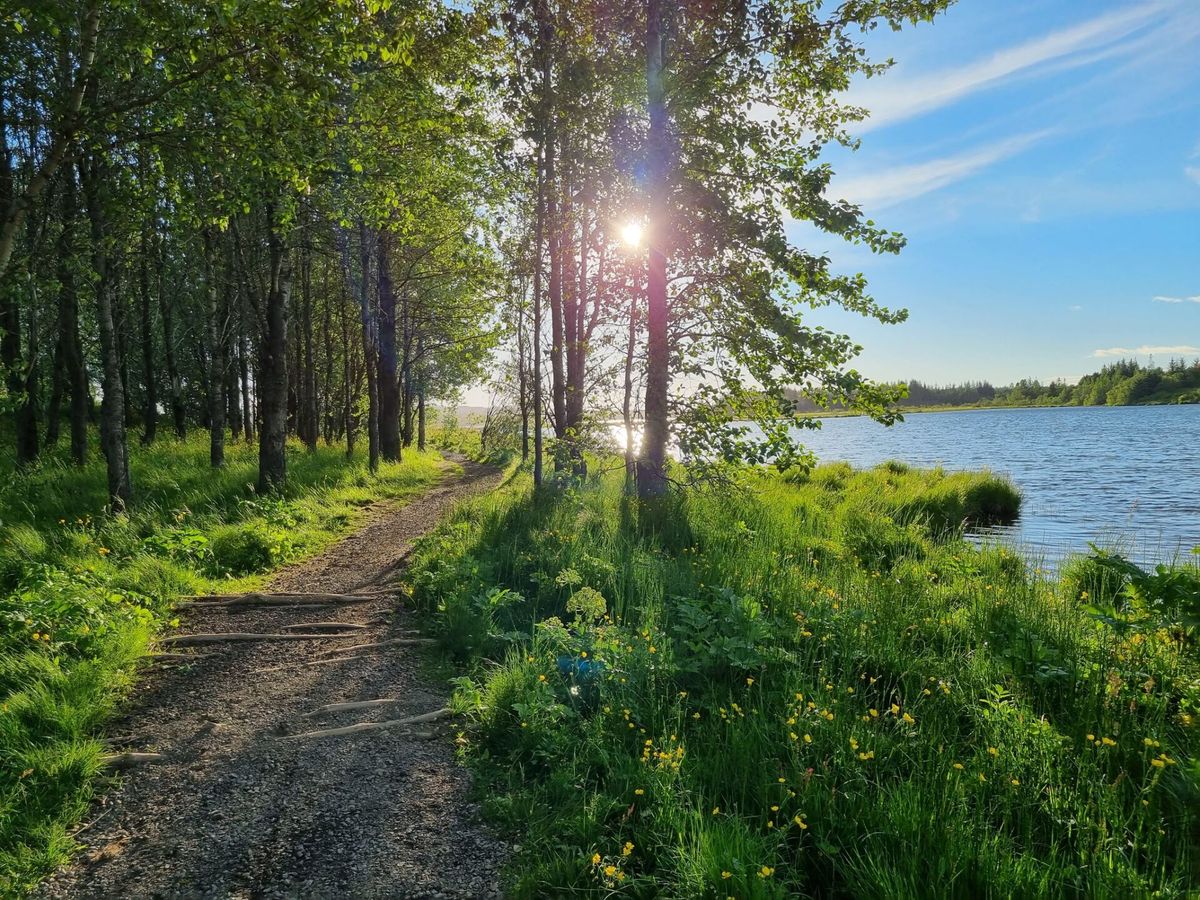
Reykjavík's wild back yard — a 3,200-hectare nature reserve with recovering birch forest, lava fields and 50km of trails.
About
About Heiðmörk
Reykjavík's wild back yard — a 3,200-hectare nature reserve with recovering birch forest, lava fields and 50km of trails.
Hike through recovering Icelandic birch forest within 15 minutes of Reykjavík — autumn colour turns the lava fields golden.
Background
History & Background
Heiðmörk has been a significant site in Iceland's landscape. Throughout the years, this location has played an important role in Icelandic culture and natural history.
Heiðmörk is one of the most interesting natural attractions in capital-region of Iceland.
Folklore
Story & Folklore
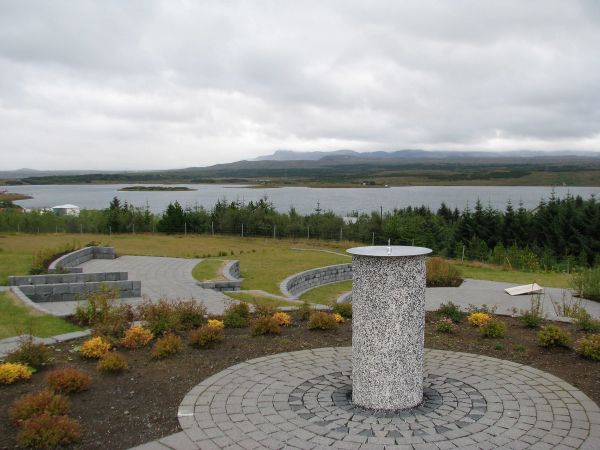
Heiðmörk is a 3,200-hectare nature reserve on the edge of Reykjavík — a mosaic of birch woodland, lava fields, lakes, and heathland that feels genuinely wild despite being 15 minutes from the city centre. The reserve was established in 1950 to protect and restore the natural vegetation of the Reykjanes Peninsula, which was stripped of its original birch cover by centuries of sheep grazing. Today the birch is returning. The walking and cycling trail network covers over 50 kilometres. In autumn, the birch turns golden against the black lava. The reserve borders Lake Elliðavatn and the Rauðavatn lakes, both popular for swimming in summer. A favourite escape for Reykjavík families.
💡 Did You Know?
Heiðmörk was planted to reverse centuries of deforestation — Iceland was once entirely covered in birch woodland before Norse settlement.
Local Legend
Legends of Heiðmörk
Heiðmörk has been part of Icelandic folklore for generations. Local tales speak of hidden people (huldufólk) and other supernatural beings who inhabit the area. According to tradition, this place deserves respect and visitors should be mindful of the ancient spirits who call it home.
Culture
Stories & Legends
Icelandic sagas and folklore from this area
Explore
Hidden Gems Nearby
✦ Off-Peak Visit
Visit Heiðmörk during shoulder season (May or September) for a perfect balance of access and solitude.
You'll experience the site without summer crowds while still having good weather and daylight.
✦ Local Flora
Look for the native Icelandic plants growing in the area — Arctic thyme, moss campion, and various lichens.
These resilient plants have adapted to survive harsh conditions and add subtle beauty to the landscape.
✦ Changing Light
Heiðmörk looks dramatically different depending on the time of day and weather conditions.
Cloud shadows, rain showers, and low-angle sunlight can transform the landscape within minutes — Iceland's famous "four seasons in one day."
Help
Frequently Asked Questions
Location
📍 Location
Discover
Explore Nearby
Places from our database within 1.0 km — all data from Sanity
Loading nearby places…
0 places found within 1.0 km
Plan full itinerary →Explore More