

Fagrifoss Waterfall
Scenic 80-metre waterfall on Geirlandsá, reached on the F206 road toward Lakagígar in summer.
Stuttlega
Heimsóknartími
30 minutes to 1 hour
Besta árstíð
Summer (June-August) for the best light and access; winter for frozen beauty
Leiðarvísir
Most waterfalls are accessible from Ring Road or short trails. Parking available nearby.
GPS
63.8686, -18.2465
Um
Um Fagrifoss Waterfall
Scenic 80-metre waterfall on Geirlandsá, reached on the F206 road toward Lakagígar in summer.
Experience raw, untamed beauty away from the crowds.
Ferðir nálægt Fagrifoss Waterfall

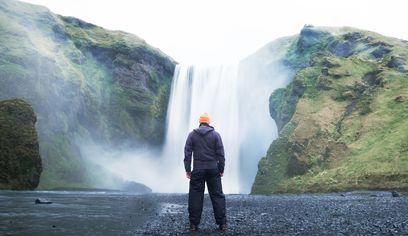
South Coast Tour - Black Sand Beach, Plane wreck, Skogafoss, Seljalandsfoss guided in Chinese冰岛南岸黑沙滩飞机残骸中文一日团
Magic Iceland Travel · 10 hours 30 minutes
South Coast Waterfalls, Glacier & Black Sand Beach Tour
BusTravel Iceland · 10 hours
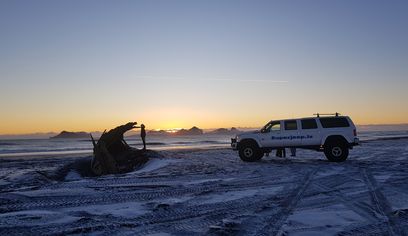
DT 402 Private Monster Truck South Coast & Eyjafjallajökull Volcano Sights
Superjeep · 8 hours
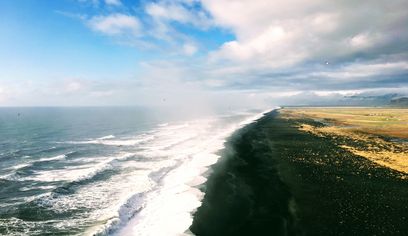
Private South Coast tour
EastWest · 10 hours
Myndir
Myndavefur
Bakgrunnur
Saga og bakgrunnur
Fagrifoss is part of the volcanic and glacial landscape on the route toward Lakagígar. Its importance as a visitor stop comes from the combination of the Geirlandsá waterfall, exposed hyaloclastite and pillow basalt, and its position on the historic highland route into the Laki area. Access remains strongly controlled by seasonal road and river conditions.
Fagrifoss is an approximately 80-metre waterfall on the Geirlandsá river. The waterfall drops over thick hyaloclastite deposits, with pillow-basalt formations visible in the surrounding geology. It lies beside the F206 route toward Lakagígar. The road includes unbridged river crossings, requires a 4x4 vehicle and is normally accessible only in summer. A short walk from the stopping area gives the best view from the eastern side of the falls.
Þjóðsögur
Saga og þjóðsögur
Fagrifoss means “Beautiful Waterfall,” an unusually direct name for an Icelandic landmark. The 80-metre cascade is reached on the same rugged F206 route that leads toward Lakagígar, so the journey and changing highland conditions are part of the experience.
Visstu að?
Fagrifoss is located near the Laki craters, a site of a devastating volcanic eruption in the 18th century that had global climate impacts.
Staðbundin þjóðsaga
The Troll of Reynisdrangar
The dramatic sea stacks at Reynisdrangar, visible from many points along the South Iceland coast, are said to be trolls turned to stone. According to legend, two trolls were trying to drag a three-masted ship to shore when they were caught by the first rays of dawn. Sunlight is fatal to trolls in Icelandic folklore, and they were instantly petrified, becoming the towering rock pillars that stand in the sea to this day. On stormy nights, some locals say you can still hear the trolls groaning as the waves crash against them, forever frozen in their midnight labor.
Kanna
Falin gimsteinar í nágrenninu
Early Morning Visit
Visit this attraction at sunrise or early morning for the most magical light and fewer crowds.
The morning light creates stunning rainbows in the mist, and you may have the waterfall entirely to yourself.
Nearby Trails
Explore the lesser-known walking trails around this attraction that most tourists skip.
These trails offer unique perspectives of the waterfall and surrounding landscape that you won't find in guidebooks.
Winter Transformation
this attraction takes on an entirely different character in winter when partially frozen.
The ice formations create a spectacular natural sculpture, and the contrast with the flowing water is breathtaking.
Hjálp
Algengar spurningar
Staðsetning
Staðsetning
Discover
Explore Nearby
Places from our database within 5.0 km — all data from Sanity
Loading nearby places…
0 places found within 5.0 km
Plan full itinerary →Kanna meira