Drangajökull
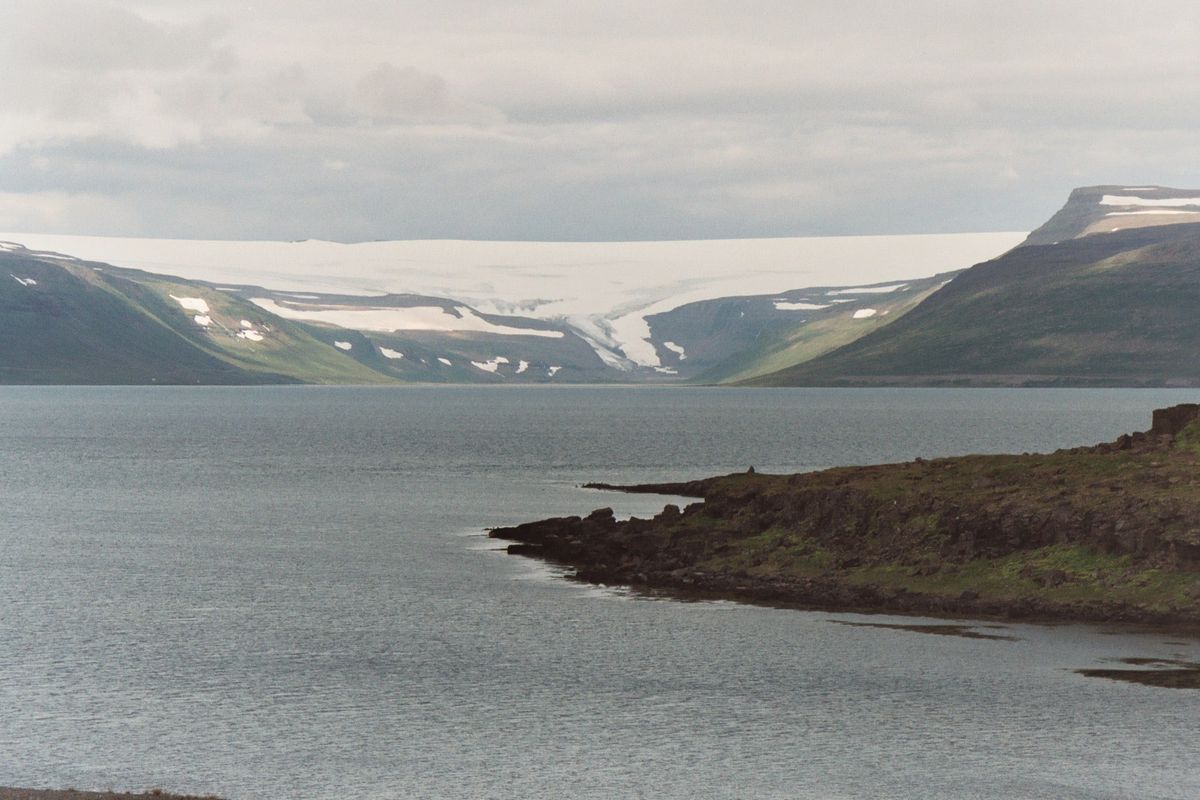
Drangajökull, Iceland's northernmost large glacier, is a breathtaking white expanse in the remote Westfjords.
At a Glance
Visit time
Allow 2-3 hours for viewing and appreciating the glacier and its surroundings, in addition to travel time to and from the site.
Best season
Summer months (June-August) for best access and weather conditions.
Access
Reaching Drangajökull typically involves travelling through the remote Westfjords region, often requiring a 4x4 vehicle and careful navigation on gravel roads. Specific access points vary and conditions can be challenging.
GPS
66.1534, -22.2334
About
About Drangajökull
Drangajökull, Iceland's northernmost large glacier, is a breathtaking white expanse in the remote Westfjords.
Witness Iceland's northernmost large glacier, a pristine natural wonder in the remote Westfjords.
Background
History & Background
Drangajökull stands as Iceland's northernmost large glacier, a significant geographical feature within the Westfjords region. Its history is primarily geological, shaped by millennia of snowfall and ice accumulation, contributing to the unique landscape of this remote part of Iceland. As a major ice cap, it has influenced the topography and climate of the surrounding area for eons. Its existence is a testament to the powerful natural forces at play in Iceland. While specific historical events or human interactions directly tied to Drangajökull are not detailed in the provided information, its presence has undoubtedly been a backdrop to human settlement and exploration in the Westfjords, serving as a constant, unchanging landmark in a dynamic world.
Embark on a journey to Drangajökull, Iceland's northernmost large glacier, a true marvel tucked away in the dramatic landscapes of the Westfjords. This expansive ice cap presents an awe-inspiring vista, its pristine white surface contrasting sharply with the deep blues of the surrounding fjords and the rugged greens of the land. Its remote location ensures a sense of untouched wilderness, offering visitors a profound connection with nature's grandeur that few other places can provide. As Iceland's northernmost large glacier, Drangajökull holds a special place in the country's diverse glacial tapestry. Its sheer scale and the serene environment of the Westfjords create an unforgettable experience for those willing to venture off the beaten path. The views are simply magnificent, with the glacier's vastness stretching towards the horizon, often appearing to melt seamlessly into the often-calm waters of the surrounding fjords. This reflection creates a mirror image, doubling the visual impact of this natural wonder. While the journey to reach Drangajökull might be challenging due to its remote setting within the Westfjords, the reward is an unparalleled view of one of Iceland's most significant natural landmarks. It offers a unique opportunity to witness the raw, untamed beauty of Iceland's glacial landscapes, far from the more frequented tourist routes. Prepare to be captivated by the profound silence and the breathtaking beauty of this formidable ice giant, a testament to the raw power and artistry of the Icelandic landscape. It's a place where you can truly feel the immense forces of nature at work.
Folklore
Story & Folklore
The journey to Drangajökull is one of quiet anticipation, a slow unfolding of the Westfjords' wild beauty. As the gravel roads wind deeper into the remote peninsula, the landscape transforms, becoming more rugged, more isolated. Then, in the distance, a glimmer – a vast, pristine white against the deep Icelandic sky. This is Drangajökull, Iceland's northernmost large glacier, a silent sentinel standing guard over this ancient land. Imagine standing before it, the air crisp and clean, carrying only the whisper of the wind. The sheer scale is humbling; a colossal expanse of ice and snow, reflecting the ever-changing light of the Arctic circle. There's a profound sense of peace here, a feeling of being at the edge of the world, where time seems to slow down. It’s a moment of pure connection with the raw, untamed heart of Iceland, a memory etched forever by the magnificent, serene presence of the glacier.
💡 Did You Know?
Drangajökull holds the unique distinction of being Iceland's northernmost large glacier, a majestic ice cap in the stunning Westfjords.
Local Legend
The Silent Guardian of the Northern Ice
While specific legends tied directly to Drangajökull are not widely documented, the glaciers of Iceland are often seen as ancient guardians. Locals believe these ice giants hold the wisdom of ages, silently watching over the land and its people, their movements a slow, powerful heartbeat of the earth.
Experiences
Tours Near Drangajökull
Best-rated Iceland experiences — book with free cancellation


Explore
Hidden Gems Nearby
✦ Glacier Sounds
Stop and listen — glaciers make haunting sounds as ice shifts and meltwater flows beneath the surface.
The creaking, groaning, and rushing sounds remind you that glaciers are living, moving rivers of ice.
✦ Ice Colors
Look carefully at the ice — you'll see shades of white, blue, and even black from volcanic ash layers.
The blue color comes from compressed ice that absorbs red light, and ash layers mark historical eruptions.
✦ Glacier Edge Ecology
The area where the glacier meets rock supports a unique micro-ecosystem of hardy organisms.
Pioneer plants and insects colonizing newly exposed land offer a real-time view of ecological succession.
Help
Frequently Asked Questions
Location
📍 Location
Discover
Explore Nearby
Places from our database within 1.0 km — all data from Sanity
Loading nearby places…
0 places found within 1.0 km
Plan full itinerary →Explore More