
Stampar Crater
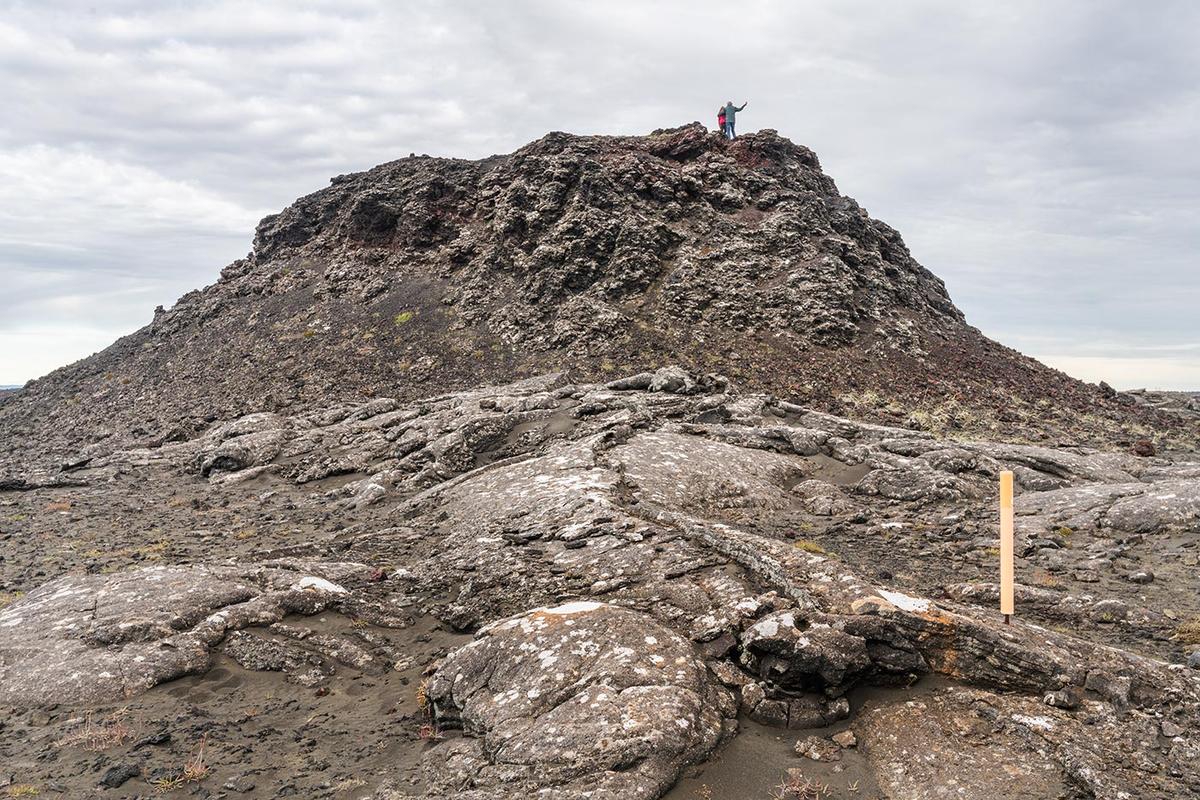
Explore the dramatic, rugged landscape of Stampar Crater Row, a striking volcanic feature in Reykjanes.
について
Stampar Craterについて
Explore the dramatic, rugged landscape of Stampar Crater Row, a striking volcanic feature in Reykjanes.
Stampar Crater近くのツアー

South Coast Tour - Black Sand Beach, Plane wreck, Skogafoss, Seljalandsfoss guided in Chinese冰岛南岸黑沙滩飞机残骸中文一日团
Magic Iceland Travel · 10 hours 30 minutes
DT 322 Private Superjeep South Coast & Eyjafjallajökull Volcano Sights
Superjeep · 8 hours
South Coast Small Group Tour: Waterfalls, Glacier & Black Sand Beach
BusTravel Iceland · 10 hours
South Coast Waterfalls, Black Beach and Glacier Adventure | Small Group Day Tour
Nicetravel · 11 hours
Stampar Craterへレンタカーで
車で訪れる予定ですか?地域に合う車種を比較し、旅行日程に応じた実際のレンタカー料金を確認できます。
ここでリアルタイムの空車を検索
車種は提案であり、リアルタイムの料金や在庫ではありません。GoIceTravelは追加費用なしで紹介料を受け取る場合があります。
写真
ギャラリー
背景
歴史と背景
The history of Stampar Crater Row is etched deep into the very fabric of the Earth, dating back to ancient geological periods. This site is a testament to the immense volcanic forces that have continuously shaped Iceland. More accurately referred to as a 'crater row' (Stampar gígaröð in Icelandic), it signifies a series of vents rather than a single large crater, formed during past eruptions where magma breached the surface along a fissure. Its significance lies in its location on the western side of the Reykjanes Peninsula, directly over the Mid-Atlantic Ridge. This makes Stampar a prime example of Iceland's unique geological position as one of the most volcanically active places on Earth. The dark, rugged lava visible today represents the solidified remnants of these ancient flows, offering a tangible connection to the planet's restless interior. These formations contribute to the rugged, otherworldly landscape characteristic of Reykjanes, making it a crucial site for understanding Iceland's geological evolution.
Stampar consists of crater rows aligned southwest to northeast, following the dominant fissure direction of the Reykjanes Peninsula. An older eruption occurred roughly 1,800–2,000 years ago. The younger Stampar row formed during the Reykjanes Fires of 1210–1240 and extends for about four kilometres; its lava covers around 4.6 km². The Hundred Crater Trail crosses part of the lava field. The craters and surrounding formations are fragile, so visitors should remain on marked routes and avoid damaging loose scoria and lava surfaces.
民話
物語と民話
For earlier fishermen, prominent craters in the Stampar row served as coastal reference points. Today the same crater system provides a clear view of the fissure eruptions that have repeatedly shaped western Reykjanes.
文化
物語と伝説
この地域のアイスランドのサガと民話
場所
場所
もっと探索