
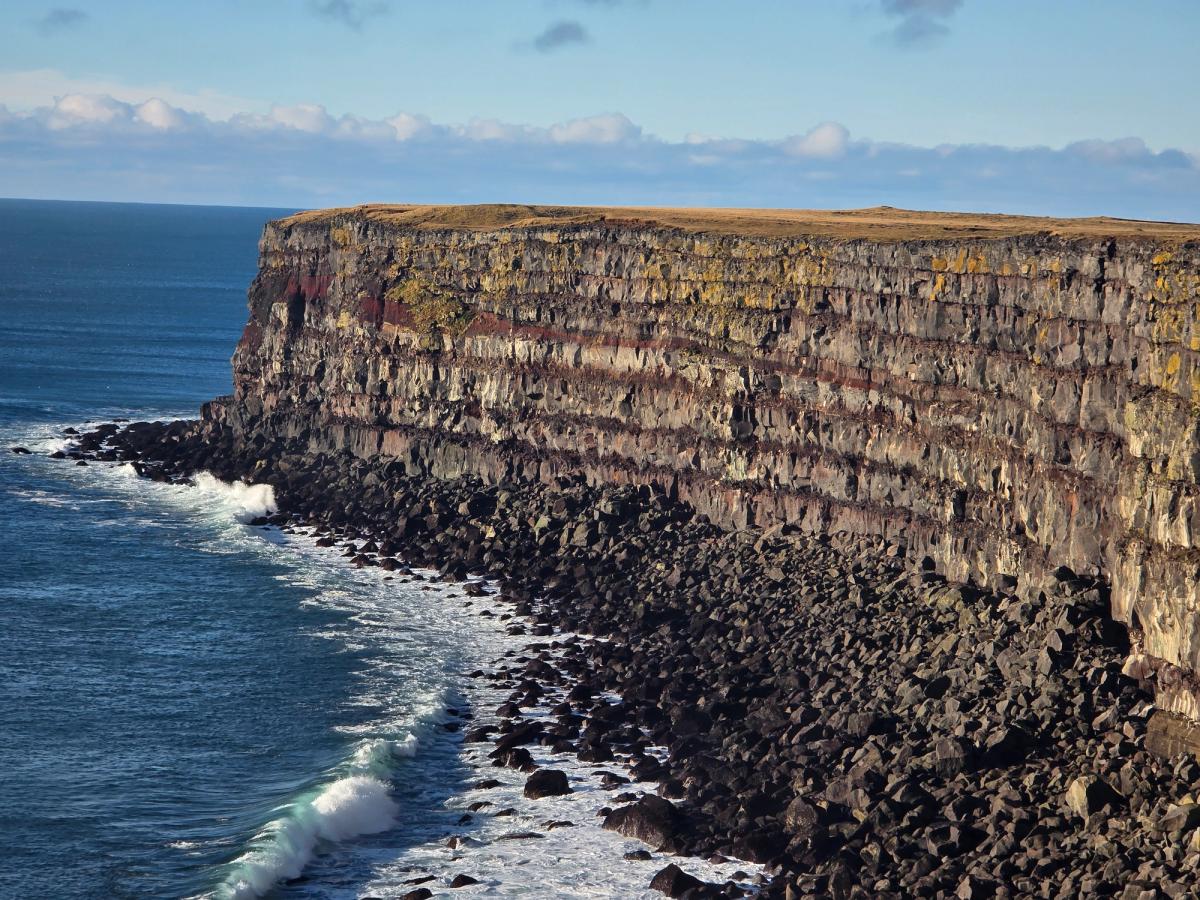
Krýsuvíkurbjarg — Reykjanes Bird Cliffs
Krýsuvíkurbjarg, also known as Krýsuvíkurberg, is the largest seabird cliff on the Reykjanes Peninsula, with dramatic Atlantic views and major nesting colonies.
概要
訪問時間
Allow around 45–60 minutes; walking slowly along the main cliff area itself takes roughly 20–30 minutes.
最適な季節:
Late spring and summer in calm, clear weather; April–July is strongest for nesting seabirds.
アクセス
From Route 427 on the south coast of Reykjanes. The final track toward the cliffs is rough and suited to a 4x4; otherwise park safely before the rough section and continue on foot. Conditions can change quickly.
GPS
63.8289, -22.0525
について
Krýsuvíkurbjarg — Reykjanes Bird Cliffsについて
Krýsuvíkurbjarg, also known as Krýsuvíkurberg, is the largest seabird cliff on the Reykjanes Peninsula, with dramatic Atlantic views and major nesting colonies.
Krýsuvíkurbjarg — Reykjanes Bird Cliffs近くのツアー

South Coast Tour - Black Sand Beach, Plane wreck, Skogafoss, Seljalandsfoss guided in Chinese冰岛南岸黑沙滩飞机残骸中文一日团
Magic Iceland Travel · 10 hours 30 minutes
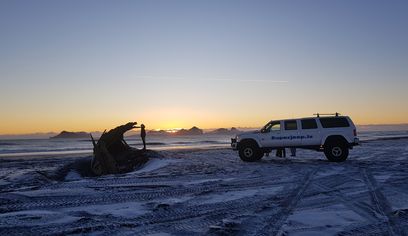
DT 402 Private Monster Truck South Coast & Eyjafjallajökull Volcano Sights
Superjeep · 8 hours
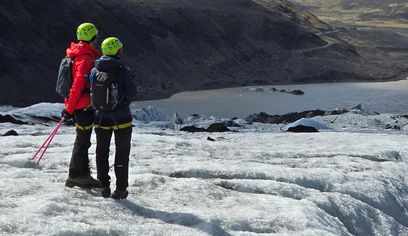
Private South Coast with Glacier Hike
Glaciers and Waterfalls · 10 hours
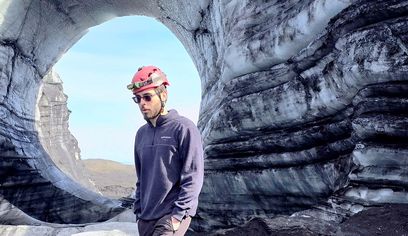
Private Ice Cave Katla, South Coast Waterfalls & Black Sand Beach
Glaciers and Waterfalls · 11 hours
Krýsuvíkurbjarg — Reykjanes Bird Cliffsへレンタカーで
車で訪れる予定ですか?地域に合う車種を比較し、旅行日程に応じた実際のレンタカー料金を確認できます。
ここでリアルタイムの空車を検索
車種は提案であり、リアルタイムの料金や在庫ではありません。GoIceTravelは追加費用なしで紹介料を受け取る場合があります。
写真
ギャラリー
背景
歴史と背景
The cliffs have long been known locally under the names Krýsuvíkurbjarg and Krýsuvíkurberg. Their importance today is primarily natural: they form the largest seabird nesting cliff on Reykjanes and are a recognised birdwatching destination on the peninsula.
Krýsuvíkurbjarg, also widely known as Krýsuvíkurberg, is the largest seabird cliff on the Reykjanes Peninsula and one of the strongest wildlife stops on its south coast. The cliffs rise above the Atlantic east of Grindavík, where volcanic rock, ocean erosion and extensive bird colonies create a dramatic coastal landscape. Visit Reykjanes identifies the site as the peninsula’s largest bird cliff. During the breeding season, especially from late spring through summer, large numbers of black-legged kittiwakes, common guillemots, Brünnich’s guillemots and razorbills use the cliffs, along with smaller numbers of fulmars, shags, puffins, black guillemots and herring gulls. Snow buntings and purple sandpipers may also breed above the cliff edge. The final access from the main road is rough and is described locally as a poor 4x4 track. Visitors who do not have a suitable vehicle should not force the drive. The walk itself is relatively short, but the exposed coastline can be windy and slippery. Keep a generous distance from the cliff edge: ledges and turf can be unstable and there are no barriers protecting the full cliff line. Krýsuvíkurbjarg is free to visit and is best approached as a raw natural site rather than a developed attraction. Binoculars and a telephoto lens are useful during nesting season.
民話
物語と民話
On the south coast of Reykjanes, Krýsuvíkurbjarg — also known as Krýsuvíkurberg — forms a long wall between the volcanic peninsula and the open Atlantic. In summer, the cliffs become one of the region’s most intense wildlife spectacles. Thousands of seabirds occupy narrow ledges while kittiwakes and fulmars wheel above the surf and guillemots and razorbills move between the rock face and the sea. The landscape is as striking as the birdlife: dark basalt, volcanic layers and weathered coastal rock meet the ocean below, with almost no shelter from wind or weather. The site feels remote despite being relatively close to Grindavík. Reaching the cliff area requires care because the final track is rough, and visitors should never approach unstable cliff edges. For birdwatchers and photographers, the breeding season from late spring into summer is the most rewarding time to visit.
場所
場所
もっと探索