Hraunsvík
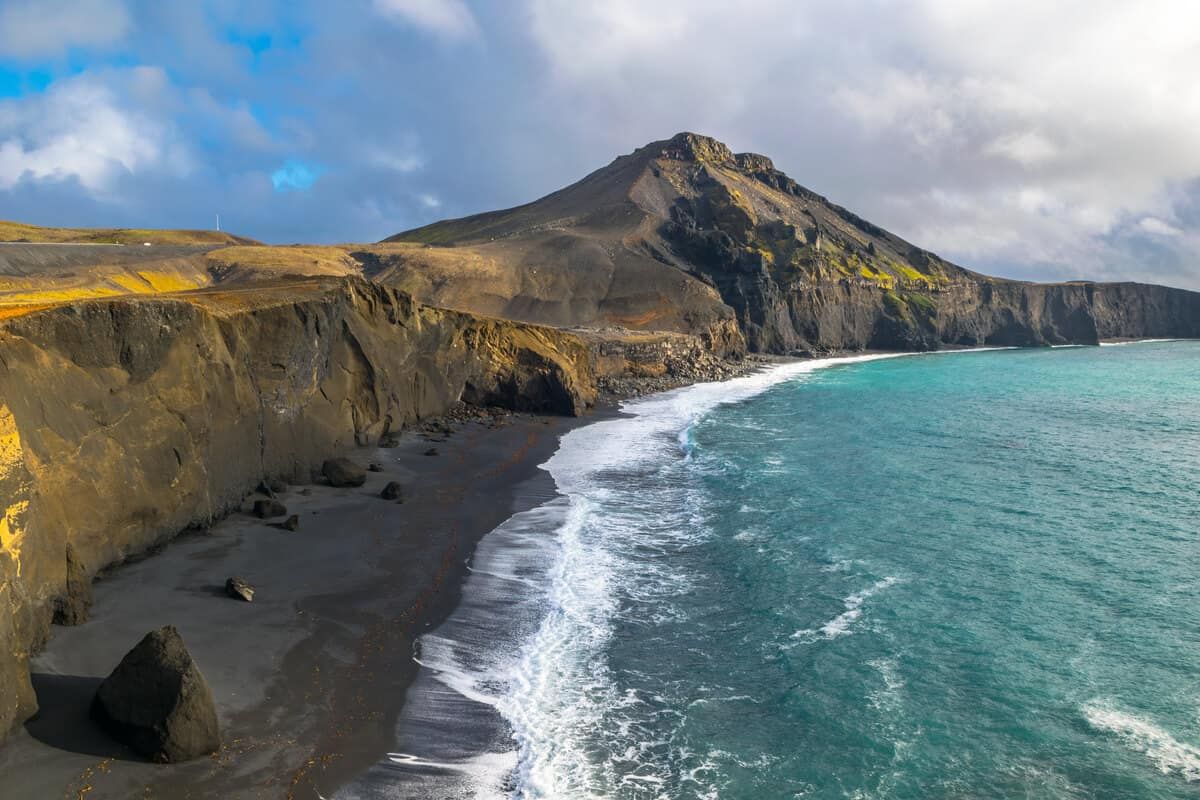
Hraunsvík boasts a dramatic black sand beach, towering cliffs, and vibrant turquoise waters on the Reykjanes Peninsula.
At a Glance
Visit time
1-2 hours for enjoying the views and birdwatching.
Best season
Summer (June-August) for puffin viewing; otherwise, daylight hours for dramatic coastal views.
Access
The path down to the black sand beach is currently difficult and dangerous due to geological changes, so viewing is best from above.
GPS
63.8519, -22.3372
About
About Hraunsvík
Hraunsvík boasts a dramatic black sand beach, towering cliffs, and vibrant turquoise waters on the Reykjanes Peninsula.
Experience Iceland's iconic black sand beaches and dramatic volcanic coastline, home to unique birdlife.
Photos
Photo Gallery
Background
History & Background
Hraunsvík has long been a popular stopping point for travelers, though its character has evolved significantly over time. Historically, the black sand beach, Hraunssandur, was easily accessible and became a favored spot for sunbathing, particularly among US servicemen stationed nearby, who affectionately dubbed it "black beach." This period highlights a fascinating cultural interaction with Iceland's unique landscape. However, the dynamic geological nature of the Reykjanes Peninsula brought about changes. Earthquakes and subsequent alterations to the sand made the path down to the beach difficult and dangerous, effectively ending its era as a recreational sunbathing spot. Despite these shifts, Hraunsvík's natural significance has been recognized. The beach, along with the Arctic Tern nesting grounds on Hraunssandur and the southern part of Festarfjall, is now part of the natural heritage list of Southwest Iceland, celebrated for its dramatic sea cliffs, wave-eroded volcano, and rich biodiversity, including its unique puffin colonies.
Hraunsvík, nestled on the Reykjanes Peninsula, presents a breathtaking tableau of Iceland's volcanic coast. The beach, Hraunssandur, is renowned for its striking black sand, a characteristic feature of Icelandic shores formed by volcanic activity. Towering sea cliffs, visibly weathered by the relentless ocean, frame the cove, culminating in the impressive Festarfjall mountain. While once a popular sunbathing spot, particularly for US servicemen who affectionately called it "black beach," earthquakes and subsequent changes to the sand have rendered direct access to the beach difficult and unsafe. Visitors can still admire the dramatic views from above, where the vibrant turquoise waters crash against the dark shore, creating a mesmerizing spectacle. The area is a haven for diverse birdlife, notably being the sole location on Reykjanes where Atlantic puffins nest in the vegetated slopes of Festarfjall. Hraunsvík beach, along with the Arctic Tern nesting grounds on Hraunssandur and the southern part of Festarfjall, holds significant ecological importance, being listed on the natural heritage register of Southwest Iceland for its sea cliffs, wave-eroded volcano, and rich marine ecosystem.
Folklore
Story & Folklore
Once a hidden gem known as "black beach" by US servicemen, Hraunsvík's Hraunssandur was a popular sunbathing spot. Imagine the stark contrast of dark sand against the vibrant sea, a place of leisure against Iceland's rugged backdrop. Today, geological shifts have made access to the sand perilous, transforming it from a recreational haven into a powerful display of nature's untamed force. Yet, the dramatic cliffs, the towering Festarfjall, and the rhythmic crash of turquoise waves against the black shore continue to captivate. Look closely, and you might spot the elusive puffins, a testament to the resilient life thriving amidst this wild, beautiful landscape.
💡 Did You Know?
Hraunsvík is the only place on the Reykjanes Peninsula where you can spot puffins, nesting in the vegetated clumps of Festarfjall.
Explore
Hidden Gems Nearby
✦ Festafjall Puffins
Hraunsvík is the only place on the Reykjanes Peninsula where you can spot Atlantic puffins, nesting in the vegetated clumps of Festarfjall.
It's a rare opportunity to observe these iconic birds in their natural habitat on Reykjanes.
✦ Hraunssandur's History
Once a popular sunbathing spot, Hraunssandur beach was famously dubbed 'black beach' by US servicemen. While access is now difficult, its past adds a unique layer to its dramatic beauty.
Discover the unexpected history of this black sand beach, contrasting its past as a leisure spot with its current wild state.
Help
Frequently Asked Questions
Location
📍 Location
Discover
Explore Nearby
Places from our database within 1.0 km — all data from Sanity
Loading nearby places…
0 places found within 1.0 km
Plan full itinerary →Explore More