Viðgelmir
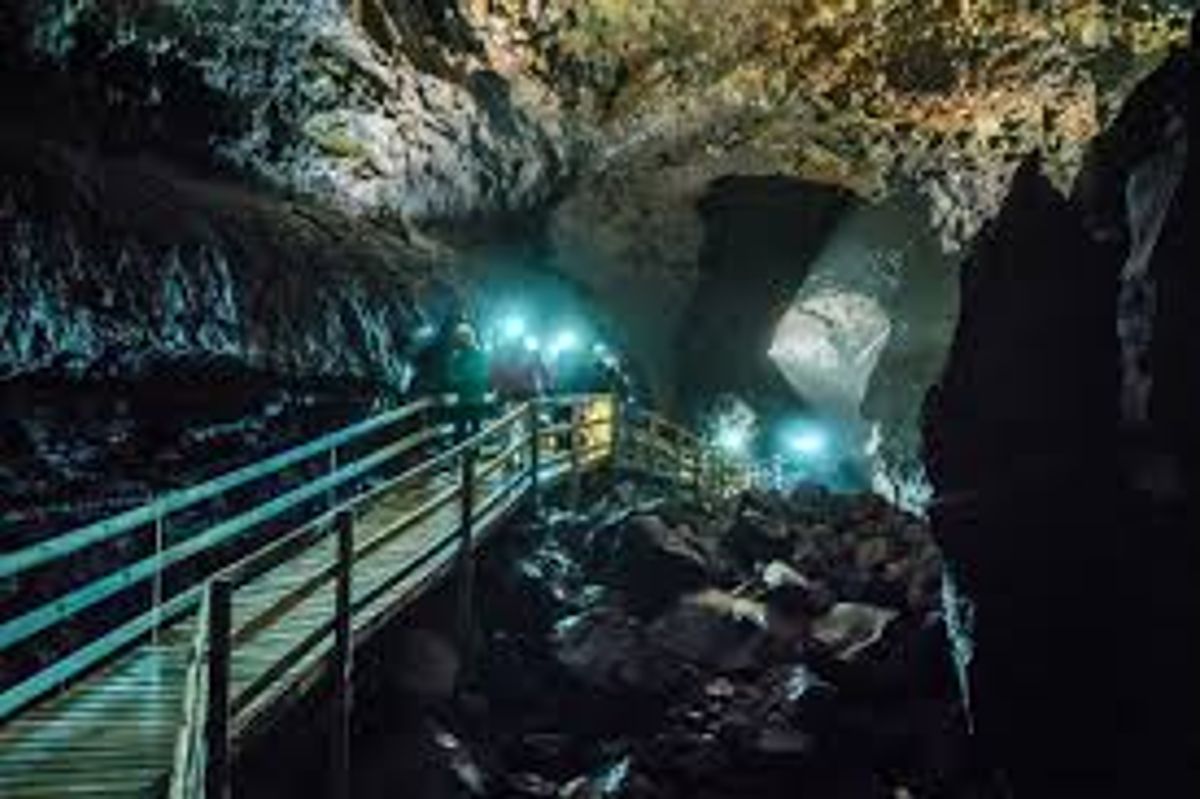
Kannaðu Viðgelmi, stærstu hraunhelli Íslands að rúmmáli, neðanjarðarundur sem mótaðist af fornum eldfjallakröftum. Röltu um upplýsta stíga sem afhjúpa stórkostl…
At a Glance
Visit time
Guided tours typically last 1-2 hours, offering ample time to explore the main passages.
Best season
All year, with guided tours available daily. Winter offers the chance to see beautiful ice formations.
Access
Located in the Hallmundarhraun lava field, approximately 2 km southeast of Fljótstunga farm in Hvítársíða, Borgarfjörður. Guided tours are mandatory and typically depart from a visitor center.
GPS
64.7531, -20.8019
About
About Viðgelmir
Kannaðu Viðgelmi, stærstu hraunhelli Íslands að rúmmáli, neðanjarðarundur sem mótaðist af fornum eldfjallakröftum. Röltu um upplýsta stíga sem afhjúpa stórkostlegar hraunmyndanir og gefa innsýn í sögu víkingatímans.
Witness the breathtaking scale and intricate beauty of one of the world's largest and most accessible lava caves.
Background
History & Background
Viðgelmir myndaðist um árið 900 e.Kr. í gríðarlegu eldgosi sem skapaði hið víðfeðma Hallmundarhraun, sem nær yfir um 200 ferkílómetra. Hraunhellirinn myndaðist þegar ytri hluti fljótandi hraunár kólnaði og harðnaði, á meðan bráðna hraunið undir rann burt og skildi eftir opið göng. Fyrstu víkingabyggðarmenn nefndu hann "Víðgelmi," sem þýðir "stóri snákur" eða "stóri ormur," sem endurspeglar túlkun þeirra á stórri, vindingasömri mynd hans. Hellirinn hefur einnig heillandi mannkynssögu. Vísbendingar um mannabyggð, sem talið er að nái aftur til víkingatímans, hafa fundist í djúpum hans, en gripir eru nú varðveittir í Þjóðminjasafni Íslands. Talið er að útlaga, sem var algeng refsing á miðöldum á Íslandi, hafi notað hellinn sem bústað, sem bætir dulúð við fortíð hans. Hellirinn hefur verið varinn með járnhliði síðan 1991 og opinberlega friðlýstur síðan 1993, sem tryggir verndun viðkvæmra mynda hans fyrir komandi kynslóðir.
Viðgelmir, sem er staðsettur í hinu víðfeðma Hallmundarhrauni á Vesturlandi, er stærsti hraunhellir landsins að rúmmáli og einn sá áhrifamesti í heimi. Þetta neðanjarðarundur, sem myndaðist um árið 900 e.Kr. í gríðarlegu eldgosi, teygir sig 1.585 metra og státar af göngum sem eru allt að 15,8 metrar á hæð og 16,5 metrar á breidd. Nafn hans, "stóri snákur" eða "stóri ormur," endurspeglar þá lotningu sem hann vakti hjá fyrstu víkingabyggðarmönnum. Hellirinn er jarðfræðilegt undur, með flóknum hraunstuðlum, hraunhrúgum og á veturna fínlegum ísmyndunum. Auk náttúrufegurðar sinnar hefur Viðgelmir mikla sögulega þýðingu. Fornleifafundir, sem nú eru í Þjóðminjasafninu, benda til mannabyggðar sem nær aftur til víkingatímans, hugsanlega af útlögum sem leituðu skjóls. Frá 1991 hefur járnhlið verndað viðkvæma eiginleika hans og hann hefur verið friðlýstur síðan 1993. Í dag er Viðgelmir ákaflega aðgengilegur, með malbikuðum stígum, uppsettri lýsingu og handriðum sem gera leiðsögn hentuga fyrir alla aldurshópa og færnistig, sem býður upp á einstaka ferð inn í eldheita fortíð Íslands.
Folklore
Story & Folklore
Ímyndaðu þér að standa á þröskuldi gleymds heims, þar sem jörðin sjálf hefur mótað stórfenglega steinkirkju. Um árið 900 e.Kr. streymdi fljótandi berg yfir Hallmundarhraun, ytri skorpan harðnaði á meðan fljótandi kjarninn rann burt og skildi eftir sig Viðgelmi. Fyrstu víkingabyggðarmenn, sem fóru inn í risastóra hólf hans, gætu hafa ímyndað sér risastóra orm eða snák sem gróf braut sína, og gáfu hellinum þetta lýsandi nafn. Öldum síðar er talið að útlaga hafi leitað skjóls í djúpum hans og skilið eftir hvíslingar um baráttu sína. Í dag, þegar þú stígur á upplýsta stíga hans, gengur þú í fótspor fornaldarfara og finnur fyrir hráum, ósnortnum krafti eldfjalla hjarta Íslands.
💡 Did You Know?
Viðgelmir, named "big snake" by early settlers, was formed around 900 AD and holds evidence of Viking-age human habitation.
Local Legend
The Troll Hallmundur and the Outlaw's Lair
The Hallmundarhraun lava field, home to Viðgelmir, is named after the formidable troll Hallmundur from Grettis saga. While no direct folklore about Viðgelmir from sagnagrunnur.is was found, the cave's naming as "big snake" by early settlers hints at mythical interpretations of its formation. Additionally, a deep hole nearby, Skeggjahola, is linked to a 1923 discovery of a skeleton, possibly relating to the legendary killing of Skeggi from Ás in Vatnsdal mentioned in Grettis saga.
Explore
Hidden Gems Nearby
✦ Lava Formations Close-Up
Look carefully at the lava formations near Viðgelmir — each tells a story of how it cooled.
Rope lava, pillow lava, and columnar basalt each formed under different conditions, creating a geological textbook in stone.
✦ Moss & Lichens
The moss and lichen growing on the volcanic rock are some of the first life to colonize new lava fields.
Some of these organisms grow less than 1cm per year, meaning the patches you see may be decades or centuries old.
✦ Sunset Colors
The volcanic rock takes on incredible red and gold hues during sunset.
The iron-rich minerals in the lava glow in warm light, creating a photographer's paradise.
Help
Frequently Asked Questions
Location
📍 Location
Discover
Explore Nearby
Places from our database within 1.0 km — all data from Sanity
Loading nearby places…
0 places found within 1.0 km
Plan full itinerary →Explore More