Þingvallavatn
Kafaðu í kristaltært vatn Þingvallavatns, stærsta náttúrulega vatns Íslands, sem er staðsett í stórkostlegu sprungubelti. Upplifðu einstaka urriðaveiði, stórbro…
At a Glance
Visit time
Dedica de 2 a 4 horas para explorar los miradores, disfrutar de paseos cortos, o más tiempo para excursiones de buceo/pesca.
Best season
Los meses de verano (mayo-septiembre) para bucear y disfrutar de actividades al aire libre; el invierno ofrece una belleza austera y dramática.
Access
Ubicado en el sur de Islandia, fácilmente accesible en coche desde Reikiavik a través de la Ruta 36. Forma parte de la ruta del Círculo Dorado.
GPS
64.1954, -21.1374
About
About Þingvallavatn
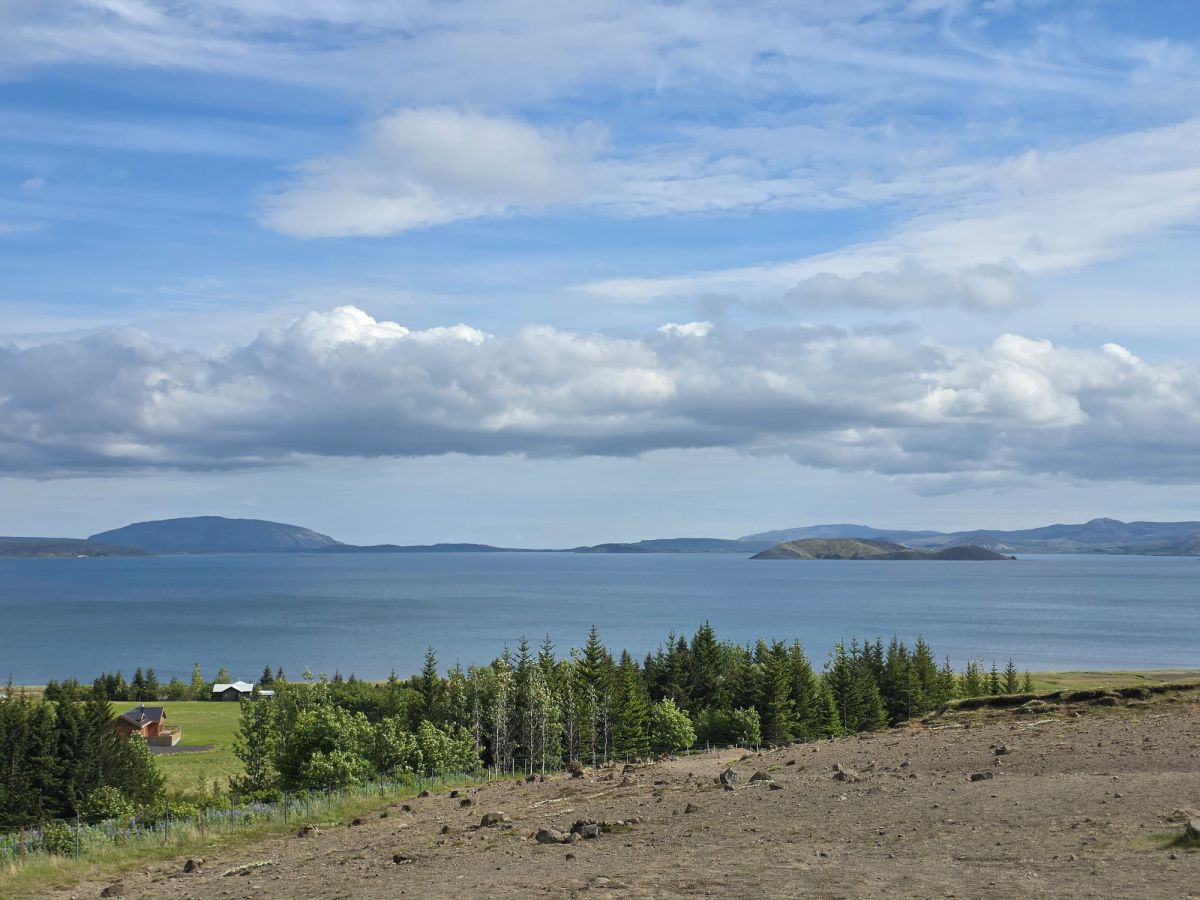
Kafaðu í kristaltært vatn Þingvallavatns, stærsta náttúrulega vatns Íslands, sem er staðsett í stórkostlegu sprungubelti. Upplifðu einstaka urriðaveiði, stórbrotið landslag og óviðjafnanlega jarðfræðilega undrun.
Witness the geological marvel of a lake cradled by tectonic plates, offering unique diving and fishing opportunities.
Background
History & Background
Sögulega þekkt sem Ölfusvatn, hefur Þingvallavatn mikilvægan sess í náttúruarfleifð Íslands sem stærsta náttúrulega vatn landsins. Myndun þess er óaðskiljanlega tengd þeim öflugu jarðfræðilegu kröftum sem mótuðu eyjuna. Vatnið liggur í Þingvallasprungudalnum, sýnileg birtingarmynd Mið-Atlantshafshryggjarins þar sem Norður-Ameríku og Evrasíu jarðskorpuflekar dragast hægt í sundur. Þessi jarðfræðilega virkni hefur ekki aðeins skapað hið stórkostlega sprungulandslag heldur einnig haft áhrif á einstaka eiginleika vatnsins, þar á meðal kristaltært vatn þess sem er nært af lindum og sérstakt vistkerfi þess. Hið sögulega nafn Ölfusvatn minnir okkur á langvarandi nærveru þess og mikilvægi fyrir svæðið, löngu áður en það varð frægt náttúruundur þekkt fyrir einstaka bleikju og köfunartækifæri.
Þingvallavatn, stórkostlegt náttúruundur á Suðurlandi, er stærsta náttúrulega vatn landsins, sannur vitnisburður um kraftmikla jarðfræðilega krafta eyjunnar. Sögulega nefnt Ölfusvatn, gefur gamla nafnið vísbendingu um langvarandi mikilvægi þess á svæðinu. Vatnið er frægt fyrir að liggja í áberandi sprungubelti, sýnileg birtingarmynd Mið-Atlantshafshryggjarins þar sem Norður-Ameríku og Evrasíuplöturnar fjarlægjast hægt. Þessi einstaka jarðfræðilega staðsetning mótar ekki aðeins stórbrotna umhverfið heldur stuðlar einnig að mestu frægð vatnsins: ótrúlega kristaltæru vatni þess. Gestir laðast að Þingvallavatni af fjölmörgum ástæðum. Fyrir kafara býður það upp á einstakt tækifæri til að kanna neðansjávar sprungur og gjár, einkum Silfru, þar sem hægt er að kafa bókstaflega á milli heimsálfa í vatni sem getur haft yfir 100 metra skyggni. Veiðimenn finna einnig paradís hér, þar sem vatnið er heimili einstaks og erfðafræðilega sérstaks stofns af bleikju, sem hefur aðlagast köldu, óspilltu umhverfi sínu. Auk vatnsíþrótta bjóða bakkar vatnsins upp á stórkostlegt útsýni fyrir göngufólk og ljósmyndara, sem sýnir hráa fegurð sprungudals Íslands. Samspil vatns, jarðfræði og lífs gerir Þingvallavatn að ógleymanlegum áfangastað, sem býður upp á bæði friðsæla fegurð og spennandi ævintýri í einu af virkustu jarðfræðisvæðum jarðar.
Folklore
Story & Folklore
Ímyndaðu þér að standa á bökkum Þingvallavatns, loftið er tært, þögnin djúp, rofin aðeins af vægum öldugangi vatnsins. Undir yfirborðinu bíður kafara heimur óviðjafnanlegrar skýrleika, þar sem meginlandsplöturnar teygjast í sundur og skapa stórkostlegar neðansjávargjár. Einstakt vistkerfi vatnsins nærir sérstakan urriðastofn, sem er vitnisburður um óspillt umhverfi þess. Ofanjarðar blasir hið stórbrotna landslag, mótað af árþúsundum jarðfræðilegra krafta, við undir hinum víðfeðma íslenska himni. Þetta er ekki bara vatn; þetta er lifandi, andandi vitnisburður um hráa, ótamda fegurð Íslands, sem býður þér að tengjast náttúrunni á djúpstæðan hátt, þar sem vatn mætir sprungu og saga mætir nútíð.
💡 Did You Know?
Þingvallavatn, once historically known as Ölfusvatn, holds the title as the largest natural lake in all of Iceland.
Local Legend
Legends of Þingvallavatn
Þingvallavatn has been part of Icelandic folklore for generations. Local tales speak of hidden people (huldufólk) and other supernatural beings who inhabit the area. According to tradition, this place deserves respect and visitors should be mindful of the ancient spirits who call it home.
Culture
Stories & Legends
Icelandic sagas and folklore from this area
Explore
Hidden Gems Nearby
✦ Off-Peak Visit
Visit Þingvallavatn during shoulder season (May or September) for a perfect balance of access and solitude.
You'll experience the site without summer crowds while still having good weather and daylight.
✦ Local Flora
Look for the native Icelandic plants growing in the area — Arctic thyme, moss campion, and various lichens.
These resilient plants have adapted to survive harsh conditions and add subtle beauty to the landscape.
✦ Changing Light
Þingvallavatn looks dramatically different depending on the time of day and weather conditions.
Cloud shadows, rain showers, and low-angle sunlight can transform the landscape within minutes — Iceland's famous "four seasons in one day."
Help
Frequently Asked Questions
Location
📍 Location
Discover
Explore Nearby
Places from our database within 1.0 km — all data from Sanity
Loading nearby places…
0 places found within 1.0 km
Plan full itinerary →Explore More