

Þingeyrar Church & Monastery Ruins
Þingeyrar was the site of Iceland's first Benedictine monastery, established in 1133 and operating until the Reformation in 1551.
Stuttlega
Heimsóknartími
30 minutes to 1 hour
Besta árstíð
Summer (June-August) for full opening hours
Leiðarvísir
Most historical sites are accessible by car with nearby parking.
GPS
65.5554, -20.4046
Um
Um Þingeyrar Church & Monastery Ruins
Þingeyrar was the site of Iceland's first Benedictine monastery, established in 1133 and operating until the Reformation in 1551.
Ferðir nálægt Þingeyrar Church & Monastery Ruins
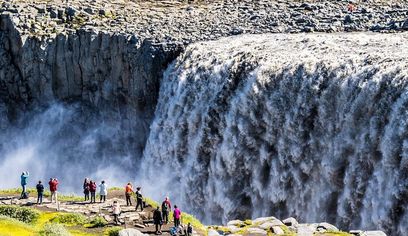
Diamond Circle Day Tour from Akureyri or Lake Myvatn
Imagine Iceland Travel · 9 hours
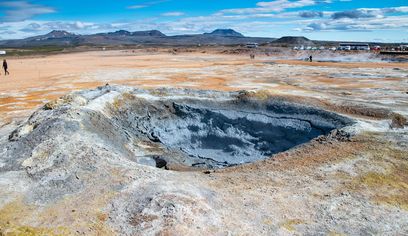
Lake Mývatn Shore Excursion from Akureyri Port - Spanish
Iceland Horizon - Saga Travel - GeoIceland · 6 hours
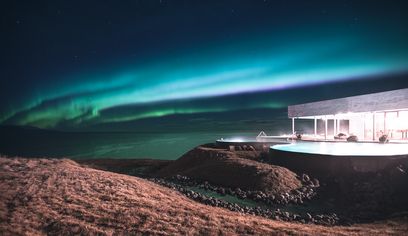
Private Northern Lights & GeoSea Geothermal Baths Tour (from Akureyri)
Imagine Iceland Travel · 5 hours
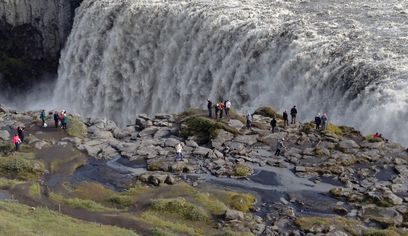
Private Combo Day: Lake Myvatn, Dettifoss, Selfoss and Godafoss Waterfalls Tour
Imagine Iceland Travel · 9 hours
Myndir
Myndavefur
Bakgrunnur
Saga og bakgrunnur
Þingeyrar Church & Monastery Ruins in North Iceland stands as a witness to Iceland's rich and eventful past. Iceland's history begins with the Norse settlement around 870 AD, led by figures like Ingólfur Arnarson, who established the first permanent settlement in Reykjavík. The medieval period saw the creation of the Alþingi parliament in 930 AD, the adoption of Christianity in 1000 AD, and the writing of the great Icelandic sagas. This site connects to these broader historical currents, preserving stories and memories from centuries past. Through periods of Norwegian and Danish rule, natural disasters, and eventual independence in 1944, places like this have served as anchors for Icelandic cultural identity.
Þingeyrar was the site of Iceland's first Benedictine monastery, established in 1133 and operating until the Reformation in 1551. The monastery was a center of learning and manuscript production. The current stone church was built in 1864 and contains historical artifacts. Archaeological remains of the medieval monastery can be seen on the grounds, and the site played a crucial role in preserving Icelandic sagas and literature.
Þjóðsögur
Saga og þjóðsögur
The current stone church was built in 1864 and contains historical artifacts. Archaeological remains of the medieval monastery can be seen on the grounds, and the site played a crucial role in preserving Icelandic sagas and literature.
Staðbundin þjóðsaga
The Ghost of Mödrudalur
In the remote highlands near Mývatn, stories are told of a ghostly shepherd who appears during fierce snowstorms to guide lost travelers to safety. Known as the Friendly Ghost of the North, this spirit is said to be a farmer who perished in a blizzard centuries ago but chose to remain between worlds to help others avoid his fate. Those who have encountered him describe a figure in old-fashioned clothing who appears suddenly in the worst weather, pointing the way to shelter before vanishing. The legend embodies the Icelandic values of hospitality and looking after fellow travelers in a harsh land.
Menning
Sögur og þjóðsögur
Íslenskar sögur og þjóðsögur frá þessum slóðum
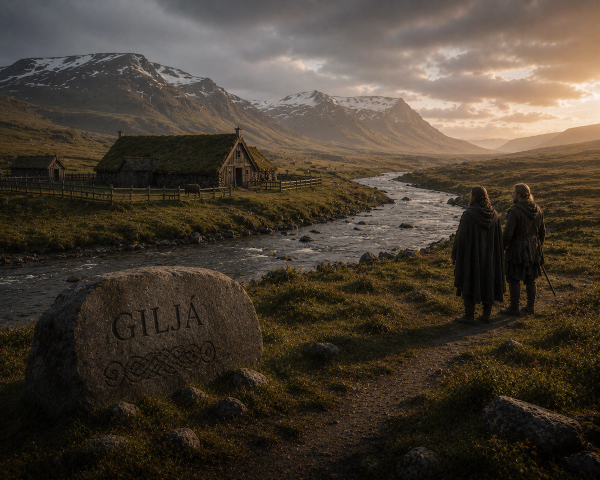
Giljá
Giljá is a historic location in Iceland mentioned in "Vatnsdæla saga", one of the ancient Íslendingasögur (Sagas of Icelanders). These medieval narratives preserve the history of Iceland's Viking Age settlement.
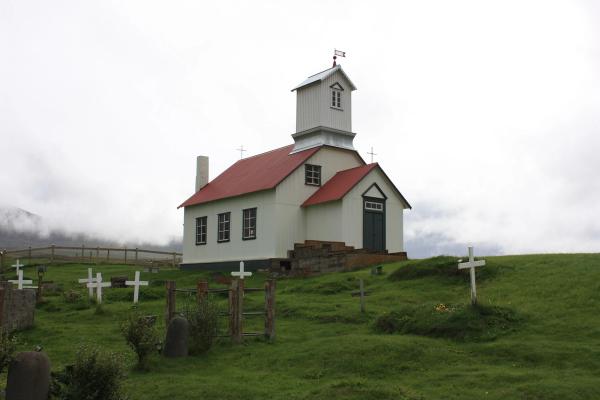
Húnavatn
Húnavatn is a historic location in Iceland mentioned in "Grettis saga, Vatnsdæla saga", one of the ancient Íslendingasögur (Sagas of Icelanders). These medieval narratives preserve the history of Iceland's Viking Age settlement.
Staðsetning
Staðsetning
Discover
Explore Nearby
Places within 5.0 km
Loading nearby places…
0 places found within 5.0 km
Plan full itinerary →Kanna meira