
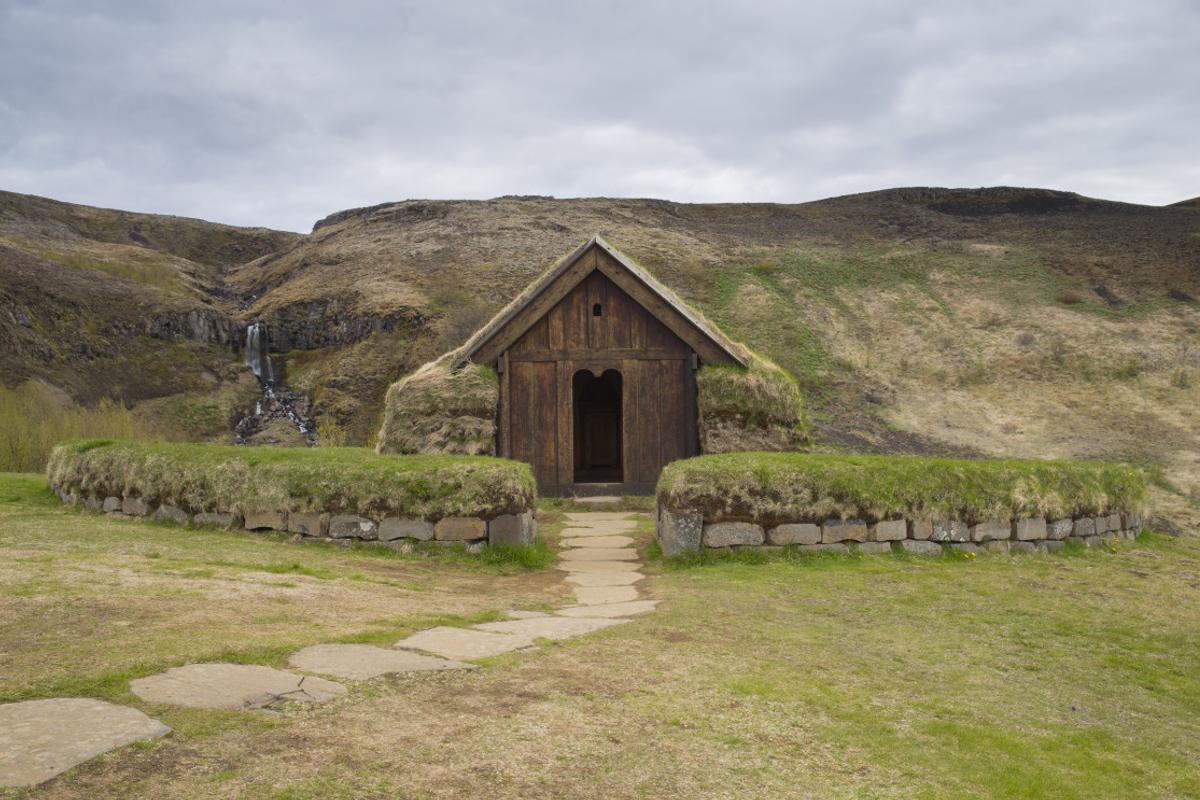
Stöng Viking Farm Ruins
Excavated medieval farm ruins in Þjórsárdalur, preserved beneath volcanic deposits from Hekla's 1104 eruption.
Stuttlega
Heimsóknartími
30 minutes to 1 hour
Besta árstíð
Summer (June-August) for full opening hours
Leiðarvísir
Most historical sites are accessible by car with nearby parking.
GPS
64.1499, -19.7565
Um
Um Stöng Viking Farm Ruins
Excavated medieval farm ruins in Þjórsárdalur, preserved beneath volcanic deposits from Hekla's 1104 eruption.
Ferðir nálægt Stöng Viking Farm Ruins

South Coast Tour - Black Sand Beach, Plane wreck, Skogafoss, Seljalandsfoss guided in Chinese冰岛南岸黑沙滩飞机残骸中文一日团
Magic Iceland Travel · 10 hours 30 minutes
DT 322 Private Superjeep South Coast & Eyjafjallajökull Volcano Sights
Superjeep · 8 hours
South Coast Waterfalls, Black Beach and Glacier Adventure | Small Group Day Tour
Nicetravel · 11 hours
DT 402 Private Monster Truck South Coast & Eyjafjallajökull Volcano Sights
Superjeep · 8 hours
Myndir
Myndavefur
Bakgrunnur
Saga og bakgrunnur
Stóng Viking Farm Ruins in South Iceland stands as a witness to Iceland's rich and eventful past. Iceland's history begins with the Norse settlement around 870 AD, led by figures like Ingólfur Arnarson, who established the first permanent settlement in Reykjavík. The medieval period saw the creation of the Alþingi parliament in 930 AD, the adoption of Christianity in 1000 AD, and the writing of the great Icelandic sagas. This site connects to these broader historical currents, preserving stories and memories from centuries past. Through periods of Norwegian and Danish rule, natural disasters, and eventual independence in 1944, places like this have served as anchors for Icelandic cultural identity.
Stöng is one of the best-known archaeological sites in Þjórsárdalur. The farm was abandoned after the Hekla eruption of 1104, and excavations begun in 1939 exposed well-preserved building remains. The nearby reconstructed Commonwealth Farm, Þjóðveldisbærinn, is a separate attraction based on the Stöng remains. This map point is placed at the Stöng visitor/parking area, with the ruins reached on foot.
Þjóðsögur
Saga og þjóðsögur
The site provides invaluable insights into Viking Age daily life in Iceland. A full-scale reconstruction called Þjóðveldisbærinn stands nearby.
Staðbundin þjóðsaga
The Hidden People of the South
According to Icelandic folklore, the hills and rock formations of South Iceland are home to the huldufólk — the hidden people. These beings live in a parallel world, invisible to most humans, but occasionally revealing themselves to those with the gift of sight. Farmers in the region have long respected certain rocks and hills, refusing to disturb them for fear of angering the hidden people. Stories tell of those who built roads through huldufólk dwellings suffering misfortune until the paths were rerouted. Even in modern Iceland, road construction projects have been altered to avoid disturbing known huldufólk sites, reflecting a respect for tradition that persists in this ancient landscape.
Staðsetning
Staðsetning
Discover
Explore Nearby
Places within 5.0 km
Loading nearby places…
0 places found within 5.0 km
Plan full itinerary →Kanna meira