
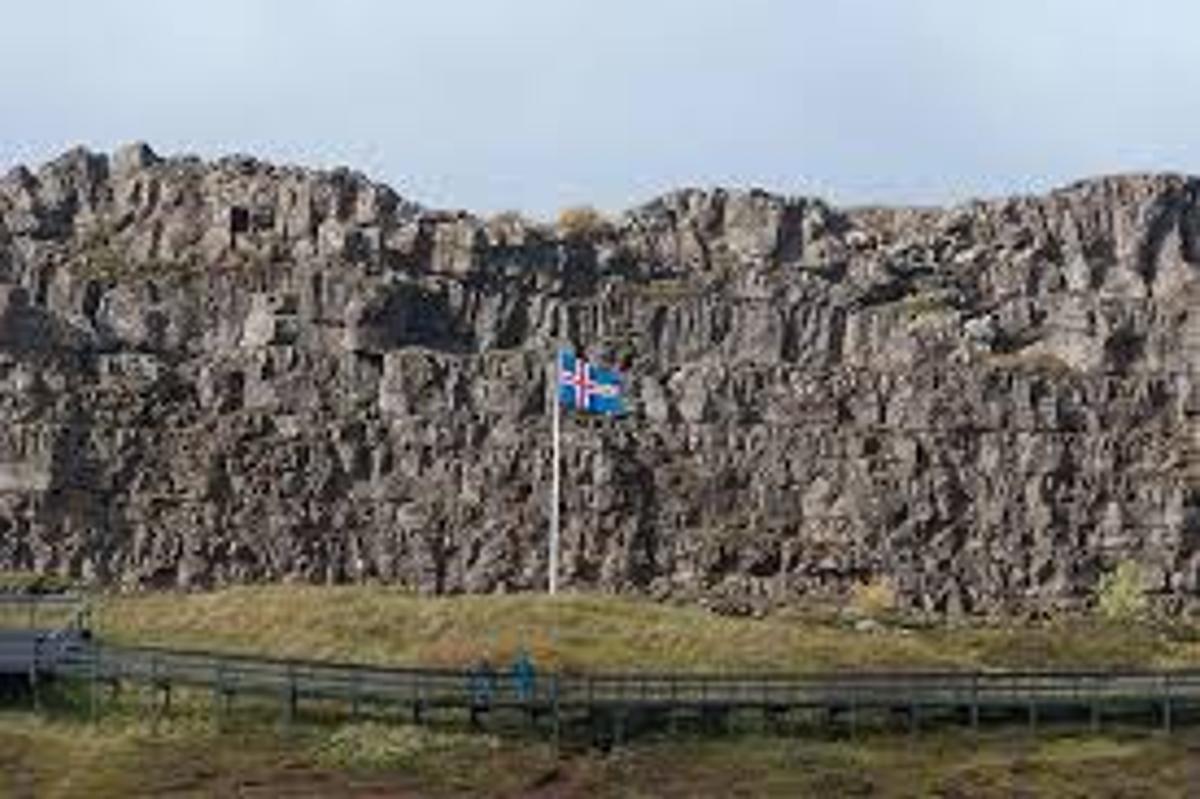
Lögrétta (1594-1798)
Lögrétta at Þingvellir is a historic archaeological site where Iceland’s early laws were made in the open landscape.
Um
Um Lögrétta (1594-1798)
Lögrétta at Þingvellir is a historic archaeological site where Iceland’s early laws were made in the open landscape.
Ferðir nálægt Lögrétta (1594-1798)

South Coast Tour - Black Sand Beach, Plane wreck, Skogafoss, Seljalandsfoss guided in Chinese冰岛南岸黑沙滩飞机残骸中文一日团
Magic Iceland Travel · 10 hours 30 minutes
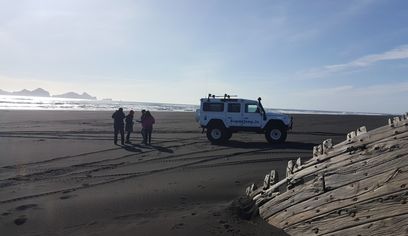
DT 322 Private Superjeep South Coast & Eyjafjallajökull Volcano Sights
Superjeep · 8 hours
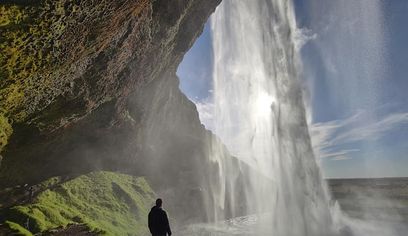
South Coast Waterfalls, Black Beach and Glacier Adventure | Small Group Day Tour
Nicetravel · 11 hours
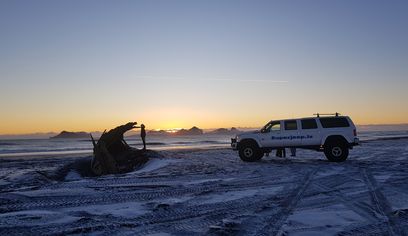
DT 402 Private Monster Truck South Coast & Eyjafjallajökull Volcano Sights
Superjeep · 8 hours
Myndir
Myndavefur
Bakgrunnur
Saga og bakgrunnur
The Lögrétta functioned as the legislative body of the Alþingi from 1594 until 1798, when the assembly at Þingvellir was eventually discontinued under Danish rule. During this period, Iceland was governed as part of the Danish kingdom, and the Alþingi’s authority was shaped by external political influence. Despite these changes, the Lögrétta remained central to Icelandic legal processes, maintaining continuity with earlier traditions of governance established in the 10th century. After the Alþingi ceased to meet at Þingvellir, the site gradually became a historical landmark rather than an active political center. Today, it is preserved as part of Iceland’s national heritage, symbolizing the country’s early legal system and its long path toward independence.
Lögrétta (1594–1798) is an important archaeological and historical site located at Þingvellir in South Iceland. It formed the legislative core of the Alþingi, Iceland’s historic parliament, which was originally established in 930. While the Alþingi itself dates back over a thousand years, the Lögrétta served as its central law-making body during the period from 1594 to 1798. The site represents one of the earliest examples of organized governance in Europe. At the Lögrétta, chieftains and representatives gathered annually to discuss laws, settle disputes, and make decisions affecting the entire country. Unlike modern political institutions, this assembly took place outdoors, using the natural landscape as a setting for governance. The surrounding cliffs and open plains of Þingvellir provided both a practical and symbolic space for communal decision-making. Archaeological remains at the site are modest but meaningful, consisting mainly of stone outlines that mark the location of the assembly area. These traces reflect continuous human activity and organization over centuries, connecting the physical site to Iceland’s long tradition of law and social structure. Today, Þingvellir is recognized as a UNESCO World Heritage Site, valued for both its geological significance and its role in Icelandic history. The Lögrétta stands as a key element of this heritage, representing the origins of Iceland’s legal system and its enduring democratic traditions.
Þjóðsögur
Saga og þjóðsögur
At Þingvellir, the land itself feels like a meeting place. Wide open plains stretch between dramatic rock formations, creating a natural setting where people once gathered from across Iceland. At the center of this landscape was the Lögrétta. Here, leaders met to shape the laws that governed the country. There were no buildings or walls—only the land, the people, and their voices. Laws were spoken aloud, carried by memory and repeated year after year. Between 1594 and 1798, the Lögrétta served as the formal legislative body of the Alþingi. Decisions made here influenced everyday life across Iceland, from disputes between individuals to broader rules of society. Standing at the site today, the remains are simple—just outlines of stone—but the significance is unmistakable. It is a place where governance was shared openly, rooted in both community and landscape.
Staðbundin þjóðsaga
The Assembly of Echoes
It is said that on quiet days at Þingvellir, when the wind moves gently across the plains, the land seems to carry faint echoes. Standing at the Lögrétta, some visitors feel as though the space is still holding onto the voices of the past. There are no visible signs—only a sense that this place has been used for something important. The open landscape, once filled with people and debate, now stands silent, yet not entirely empty. Whether it is imagination or the atmosphere shaped by history, many leave with the impression that the site remembers.
Menning
Sögur og þjóðsögur
Íslenskar sögur og þjóðsögur frá þessum slóðum
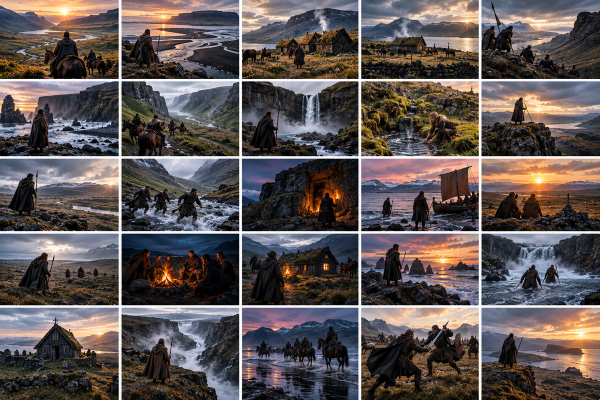
Grettishaf við Sleðaás
Grettishaf við Sleðaás is a historic location in Iceland mentioned in "Grettis saga", one of the ancient Íslendingasögur (Sagas of Icelanders). These medieval narratives preserve the history of Iceland's Viking Age settlement.
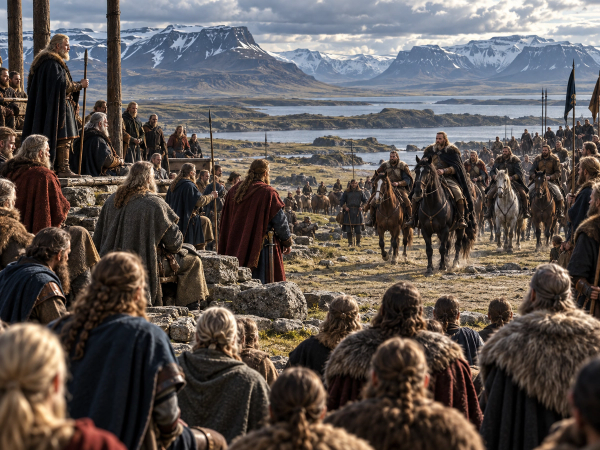
Öxarárhólmi
Öxarárhólmi is a historic location in Iceland mentioned in "Gunnlaugs saga ormstungu", one of the ancient Íslendingasögur (Sagas of Icelanders). These medieval narratives preserve the history of Iceland's Viking Age settlement.
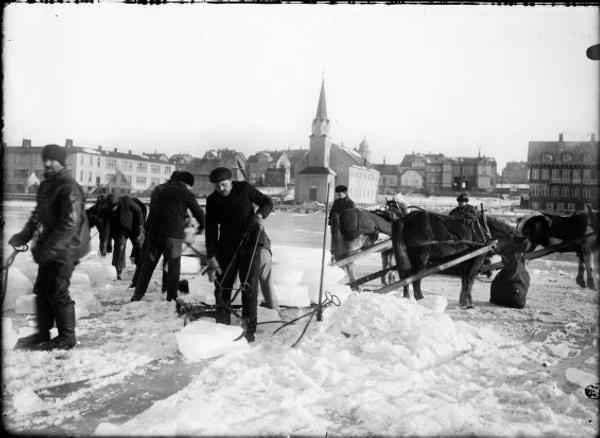
Sleðás
Sleðás is a historic location in Iceland mentioned in "Grettis saga", one of the ancient Íslendingasögur (Sagas of Icelanders). These medieval narratives preserve the history of Iceland's Viking Age settlement.
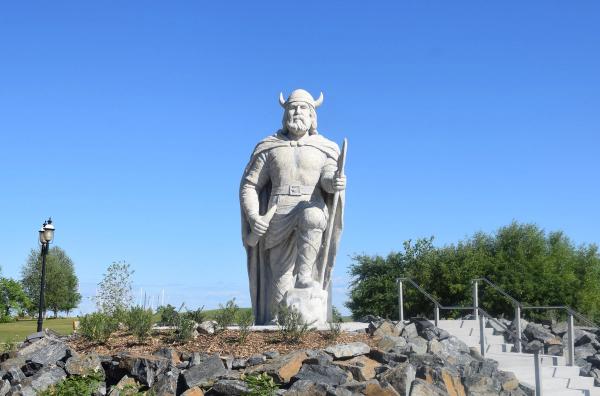
Vellankatla
Vellankatla is a historic location in Iceland mentioned in "Njáls saga", one of the ancient Íslendingasögur (Sagas of Icelanders). These medieval narratives preserve the history of Iceland's Viking Age settlement.
Staðsetning
Staðsetning
Discover
Explore Nearby
Places within 5.0 km
Loading nearby places…
0 places found within 5.0 km
Plan full itinerary →Kanna meira