
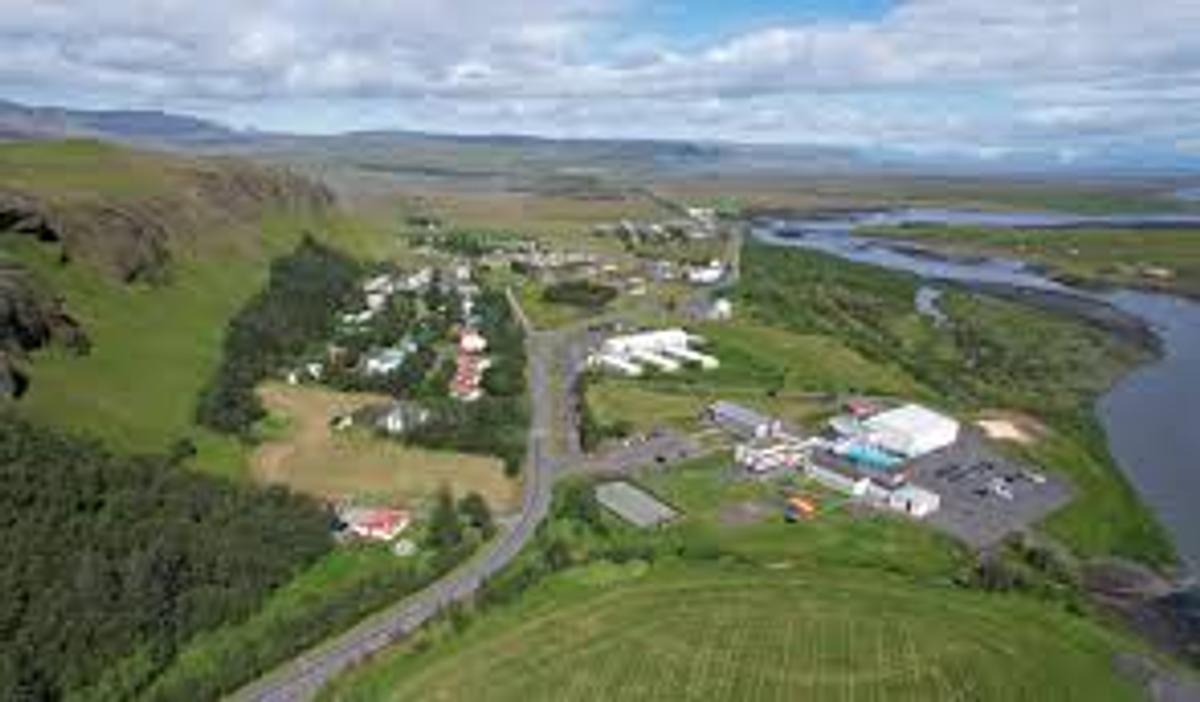
Kirkjubæjarklaustur
Kirkjubæjarklaustur, sem er staðsett í stórbrotnum hraunbreiðum og gróskumiklu grænu landslagi, býður upp á heillandi blöndu af fornum sögu og stórbrotnum náttú…
Stuttlega
Heimsóknartími
Allocate 2-3 hours to explore the main sights like Kirkjugólfið, Systrafoss, and Systrastapi, plus time for refreshments. A half-day allows for a more relaxed visit.
Besta árstíð
Late spring to early autumn (May–September) for best weather and access to outdoor sights. Mornings are often quieter.
Leiðarvísir
Located directly on Ring Road 1 (Route 1) in South Iceland, approximately halfway between Vík í Mýrdal and Skaftafell Nature Reserve. Easily accessible by car.
GPS
63.7890, -18.0531
Um
Um Kirkjubæjarklaustur
Kirkjubæjarklaustur, sem er staðsett í stórbrotnum hraunbreiðum og gróskumiklu grænu landslagi, býður upp á heillandi blöndu af fornum sögu og stórbrotnum náttúruundrum. Þetta litla þorp, sem er gegnsýrt af klaustursögum og jarðfræðilegum undrum, þjónar sem mikilvæg miðstöð fyrir ferðalanga sem kanna Suðurlandið.
Ferðir nálægt Kirkjubæjarklaustur

South Coast Tour - Black Sand Beach, Plane wreck, Skogafoss, Seljalandsfoss guided in Chinese冰岛南岸黑沙滩飞机残骸中文一日团
Magic Iceland Travel · 10 hours 30 minutes
DT 322 Private Superjeep South Coast & Eyjafjallajökull Volcano Sights
Superjeep · 8 hours
South Coast Waterfalls, Black Beach and Glacier Adventure | Small Group Day Tour
Nicetravel · 11 hours
DT 402 Private Monster Truck South Coast & Eyjafjallajökull Volcano Sights
Superjeep · 8 hours
Myndir
Myndavefur
Bakgrunnur
Saga og bakgrunnur
Svæðið í kringum Kirkjubæjarklaustur státar af ríkri og fornum sögu, með vísbendingum um að írskir munkar, þekktir sem 'Papar,' hafi hugsanlega sest hér að jafnvel fyrir Norðmenn. Samkvæmt Landnámu var staðurinn talinn helgur og talið var að enginn heiðinn maður gæti búið þar; heiðinginn Hildir Eysteinsson er sagður hafa dáið samstundis þegar hann reyndi að setjast þar að á 10. öld og var hann grafinn í Hildishaug. Mikilvægur punktur í sögu þorpsins var stofnun Benediktínuklausturs í Kirkjubæ árið 1186. Þetta var fyrsta kvennaklaustur Íslands og starfaði sem mikilvæg menningar- og bókmenntamiðstöð fram að siðaskiptum árið 1550. Arfleifð klaustursins er djúpt greypt í staðbundið landslag og gefur nöfn á staði eins og Systrafoss, Systravatn og Systrastapa. Kirkjubæjarklaustur á einnig merkilegan stað í sögu íslenskrar seiglu. Í Skaftáreldum 1783 ógnaði gríðarstórt hraunflæði að gleypa þorpið. Því var bjargað með kraftaverki þegar hraunið stöðvaðist rétt utan við staðarkirkjuna, atburður sem víða er kenndur við áhrifamikla 'Eldmessu' séra Jóns Steingrímssonar, saga sem heldur áfram að bergmála hjá gestum.
Kirkjubæjarklaustur, gjarnan kallað 'Klaustur,' er heillandi þorp á Suðurlandi, staðsett á þjóðvegi 1 milli Vík og Skaftafells. Þrátt fyrir fámenni þess þjónar það sem eina þjónustumiðstöðin í Skaftárhreppi, sem býður upp á nauðsynlega þjónustu eins og eldsneyti, veitingastaði, gistingu og matvörubúð fyrir ferðalanga. Nafn þorpsins, sem þýðir 'kirkjubýli klaustur,' gefur vísbendingu um djúpar sögulegar rætur þess. Vísbendingar eru um að írskir munkar hafi sest hér að fyrir Norðmenn. Staðurinn varð heimili fyrsta kvennaklausturs Íslands, Benediktínuklausturs, árið 1186, sem var menningar- og fræðasetur fram að siðaskiptum. Þessi klausturssaga er greypt í landslagið og gefur nöfn á táknræna staði eins og Systrafoss, Systravatn og Systrastapa. Fyrir utan sögu sína er Klaustur hlið að óvenjulegum náttúrufyrirbærum. Uppgötvaðu Kirkjugólfið, sláandi náttúrulega basaltstuðlamyndun sem líkist fullkomlega flísalögðu kirkjugólfi, mótað af fornum jöklum og sjónum. Upplifðu fegurð Systrafoss, tveggja þrepa foss sem fellur úr Systravatni. Kannaðu hið víðfeðma Eldhraun, sem er hröð en falleg áminning um hina eyðileggjandi Skaftárelda 1783 (Lakagíga), atburð sem er ævinlega tengdur við kraftaverkaútkomu þorpsins í 'Eldmessunni.' Sem hluti af Katla Geopark og hlið að Vatnajökulsþjóðgarði býður Kirkjubæjarklaustur upp á ríka vefnaðarsögu, jarðfræði og íslenska seiglu.
Þjóðsögur
Saga og þjóðsögur
Árið er 1783 og eldur rignir af himni. Skaftáreldar geisa og varpa gríðarstórum ám af bráðnu bergi yfir Suðurlandið. Kirkjubæjarklaustur, lítil byggð með gamalli kirkju, liggur beint á leið hraunsins. Skelfing greip um sig meðal þorpsbúa þegar glóandi flóðið skreið nær og eyddi öllu á vegi sínum. Vonin dvínaði þar til séra Jón Steingrímsson, maður með djúpa trú, safnaði söfnuði sínum. Hann flutti ákafa 'Eldmessu,' öfluga bæn til himnanna. Þegar orð hans bergmáluðu um reykfyllt loftið, gerðist ótrúlegur atburður: hið risastóra hraunflæði, sem virtist óstöðvandi, stöðvaðist skyndilega rétt utan við kirkjuveggina. Þorpið slapp. Fram á þennan dag er sagan af 'Eldmessunni' vitnisburður um óbilandi anda þorpsins og kraftaverkaíhlutun sem bjargaði Kirkjubæjarklaustri frá öruggri eyðileggingu.
Staðbundin þjóðsaga
Las Hermanas de Kirkjubæjarklaustur: Leyendas de Systrafoss y Systrastapi
Folklore tells of two nuns from the ancient convent, executed for sinful behavior, buried at Systrastapi; flowers bloom on the grave of the vindicated nun, while the other's remains barren. Another legend speaks of nuns drowning in Systravatn while attempting to retrieve a golden comb from its depths.
Menning
Sögur og þjóðsögur
Íslenskar sögur og þjóðsögur frá þessum slóðum
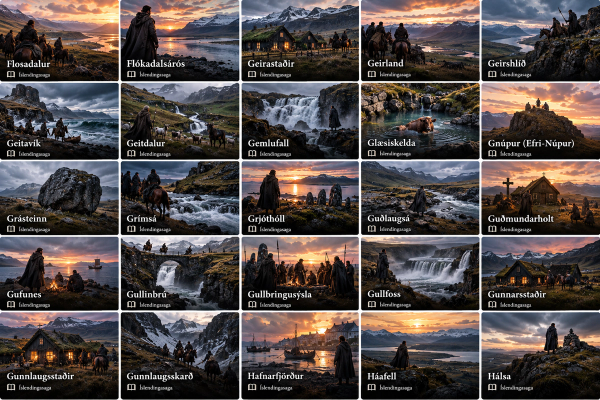
Geirland
Geirland is a historic location in Iceland mentioned in "Gunnars saga Keldugnúpsfífls", one of the ancient Íslendingasögur (Sagas of Icelanders). These medieval narratives preserve the history of Iceland's Viking Age settlement.
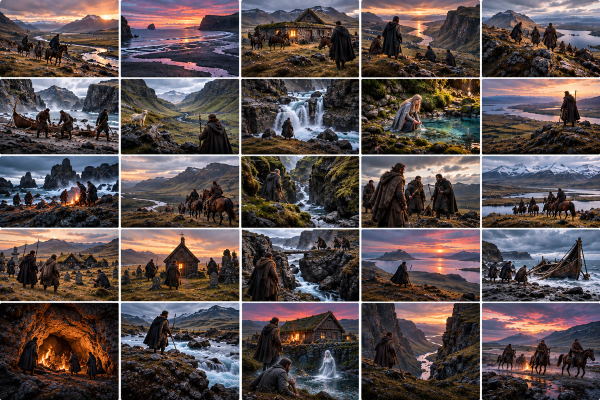
Kirkjubær á Síðu (nú Kirkjubæjarklaustur)
Kirkjubær á Síðu: A historic site where faith and saga intertwine.
Staðsetning
Staðsetning
Discover
Explore Nearby
Places within 5.0 km
Loading nearby places…
0 places found within 5.0 km
Plan full itinerary →Kanna meira