

Íslandsvarðan
Íslandsvarðan er útilypting úr bronsi eftir íslenska listamann Jóhann Eyfells, staðsett við Sæbrautina í Reykjavík. Verk þetta er innblásið af hefðbundnum íslen…
Stuttlega
Heimsóknartími
5–10 minutes stop (longer if combined with coastal walk)
Besta árstíð
All year
Leiðarvísir
Located along the seaside walking and cycling path on Sæbraut. Easily accessible on foot from downtown Reykjavík via the Sculpture & Shore Walk route.
GPS
64.1461, -21.9179
Um
Um Íslandsvarðan
Íslandsvarðan er útilypting úr bronsi eftir íslenska listamann Jóhann Eyfells, staðsett við Sæbrautina í Reykjavík. Verk þetta er innblásið af hefðbundnum íslenskum vörðum sem notaðar voru til leiðarvisunnar um opin landsvæði, og túlkar það þessa fornu mynd á nútímalegum listsköpunarhátt. Hringopið í miðjunni rammast inn á Faxaflóa og fjöllin í kring, sem tengir listaverkið beint við náttúrulegar umhverfisaðstæður. Í dag er Íslandsvarðan hluti af Myndlistargöngu meðfram strönd Reykjavíkur, þar sem samtímalist mætir strandlandslagi á einni vinsælustu göngu leiðs borgarinnar.
Ferðir nálægt Íslandsvarðan
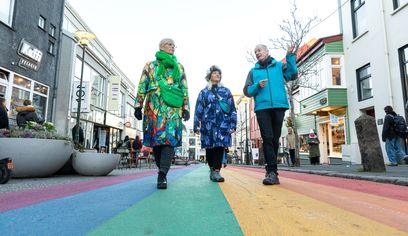
Private Reykjavik LGBTQ+ City Walk
Your Friend in Reykjavik · 3 hours
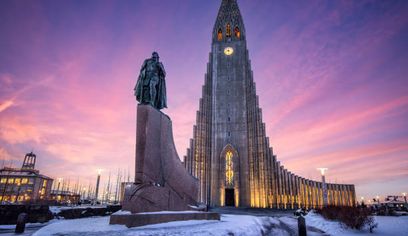
Private Reykjavik City Tour
Icelimo Luxurytravel · 4 hours

Private 3 hour Reykjavik Driving Tour
Your Friend in Reykjavik · 3 hours
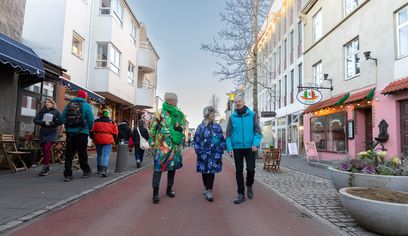
Private Reykjavik Shopping & Sightseeing Walking Tour
Your Friend in Reykjavik · 3 hours
Myndir
Myndavefur
Bakgrunnur
Saga og bakgrunnur
Íslandsvarðan was created by Icelandic sculptor Jóhann Eyfells as part of Reykjavík’s shoreline sculpture installations along Sæbraut. The work reinterprets the traditional Icelandic route marker known as a varða using cast bronze instead of stacked stone, linking historic travel culture with contemporary public art. Today, the sculpture forms part of Reykjavík’s Sculpture and Shore Walk — a series of artworks placed along the coastline where visitors can explore the relationship between Icelandic landscape, navigation traditions, and modern artistic expression.
Íslandsvarðan is a bronze outdoor sculpture located along the shoreline at Sæbraut in Reykjavík. Created by Icelandic artist Jóhann Eyfells, the work draws inspiration from the traditional stone cairns that once served as essential route markers across Iceland’s open landscapes. These cairns helped travellers navigate between farms and settlements long before roads or modern navigation systems existed. Íslandsvarðan reinterprets this historic form in a contemporary sculptural language. Cast in bronze using natural earth-mould techniques, the sculpture reflects both the rugged character of Icelandic terrain and the long-standing cultural importance of cairns as symbols of orientation and movement through the landscape. Its circular opening frames views across Faxaflói Bay, encouraging visitors to engage directly with the surrounding coastline and distant mountains. The sculpture stands along Reykjavík’s Sculpture and Shore Walk, one of the city’s most popular waterfront walking routes. From this location, visitors can experience the meeting point of contemporary Icelandic art and the natural coastal environment that has shaped Reykjavík’s history as a harbour city. Today, Íslandsvarðan serves as both a cultural landmark and a quiet viewing point along the shoreline, linking Iceland’s traditional travel heritage with modern public art in the capital.
Þjóðsögur
Saga og þjóðsögur
Íslandsvarðan stands along the shoreline at Sæbraut as a modern interpretation of one of Iceland’s oldest travel traditions: the stone cairn. For centuries, cairns were built across Iceland’s open landscapes to guide travellers safely between settlements, especially in difficult weather or low visibility. They served as quiet but essential landmarks long before roads or navigation systems existed. Icelandic sculptor Jóhann Eyfells reimagined this historic form in bronze, creating a sculpture that connects past and present through landscape and perspective. Unlike traditional cairns built from stacked stones, Íslandsvarðan uses a smooth circular opening that frames the horizon across Faxaflói Bay and the mountains beyond. Placed beside one of Reykjavík’s most popular coastal walking routes, the sculpture invites visitors to pause and look outward — just as travellers once did when navigating by cairns across the countryside. Today, Íslandsvarðan forms part of the Sculpture and Shore Walk, where contemporary art and Iceland’s maritime landscape meet along the edge of the capital.
Staðbundin þjóðsaga
A Modern Cairn by the Sea
For centuries, stone cairns helped travellers cross Iceland’s open landscapes long before marked roads existed. These simple piles of stones guided people safely between farms and coastal settlements, especially in fog, snow, or darkness. Íslandsvarðan reflects this tradition in a modern sculptural form placed along Reykjavík’s shoreline. Rather than marking a remote mountain route, this cairn now stands beside the sea, where walkers follow one of the capital’s most scenic coastal paths. The circular opening invites visitors to stop and look outward across Faxaflói Bay, echoing the way travellers once paused at cairns to confirm their direction before continuing their journey.
Menning
Sögur og þjóðsögur
Íslenskar sögur og þjóðsögur frá þessum slóðum

Reykjavík
Reykjavík is a historic location in Iceland mentioned in "Harðar saga og Hólmverja", one of the ancient Íslendingasögur (Sagas of Icelanders). These medieval narratives preserve the history of Iceland's Viking Age settlement.
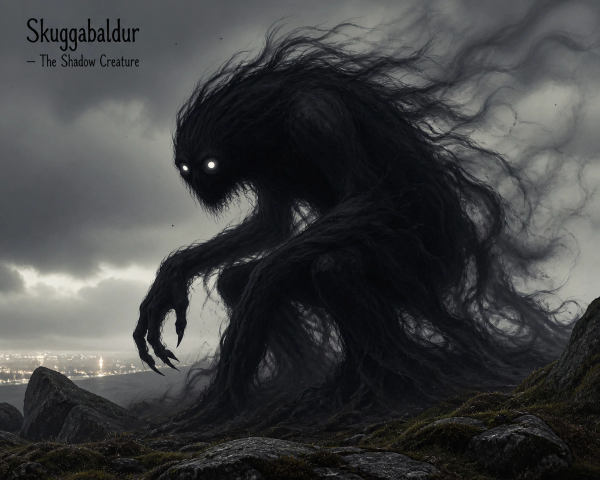
Skuggabaldur – The Shadow Creature
Skuggabaldur: A phantom dog guarding forgotten paths.
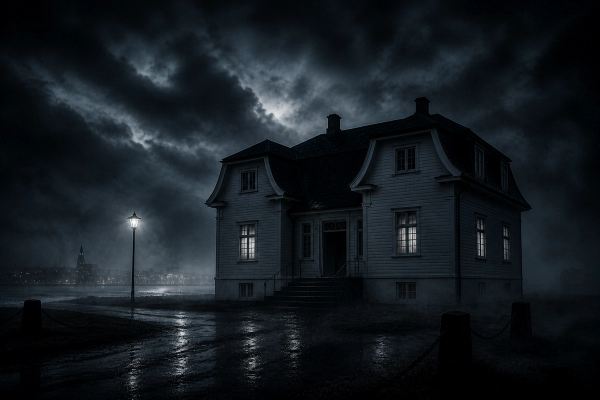
Höfði House – Reykjavík's Haunted Mansion
Höfði House: Reykjavík's historic mansion with a chilling paranormal past.
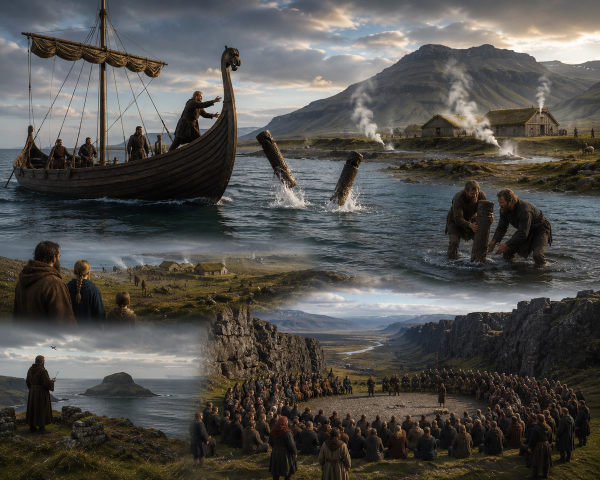
The Settlement of Iceland – Land of Fire and Freedom
Iceland: Land of Fire and Freedom, forged by Vikings and volcanic might.
Staðsetning
Staðsetning
Discover
Explore Nearby
Places within 5.0 km
Loading nearby places…
0 places found within 5.0 km
Plan full itinerary →Kanna meira