
Hjörleifshöfði (Jódaklettur)
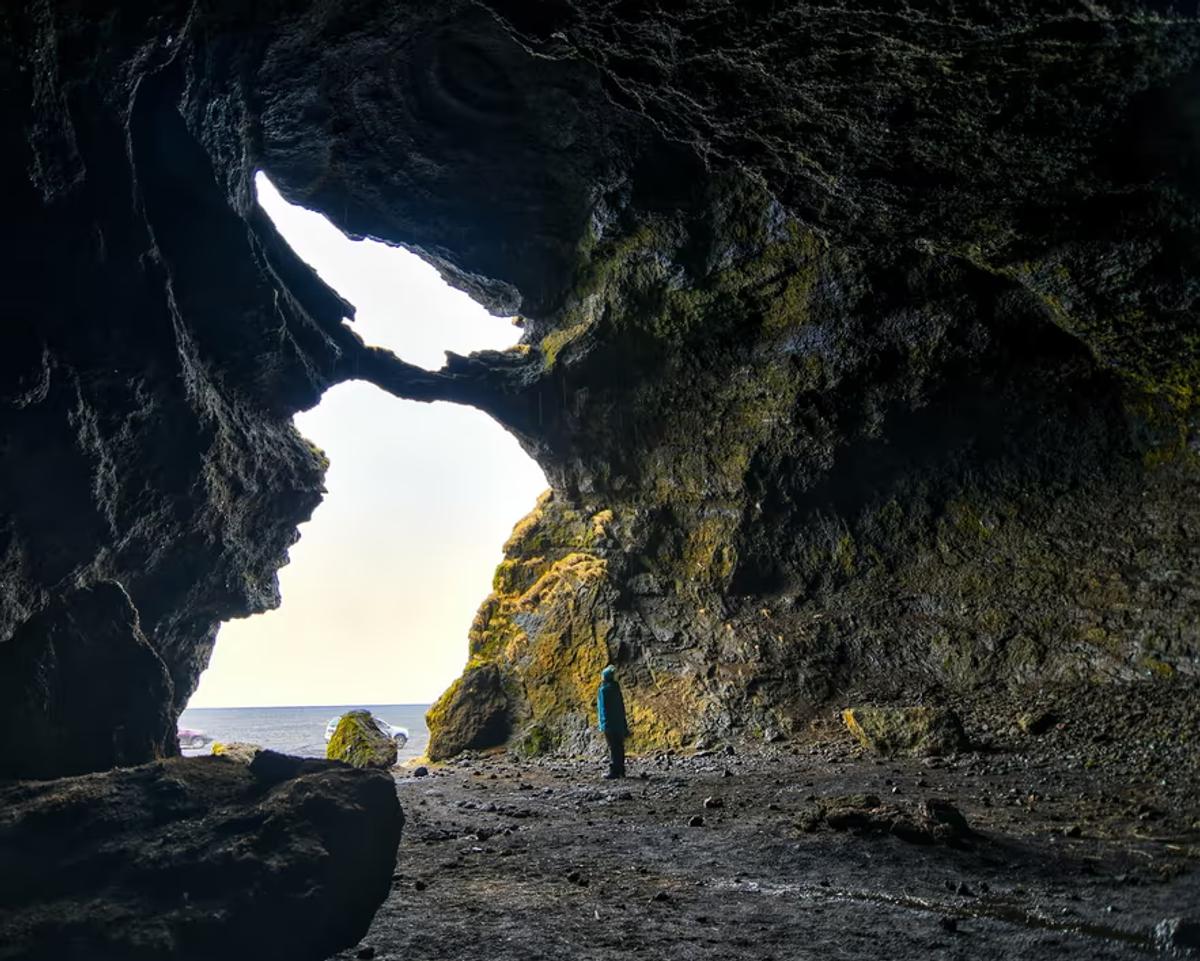
Stattu undir Hjörleifshöfða, tignarlegum 221 metra háum strandhöfða (eða móbergshöfða) sem er þekktur fyrir sinn einstaka "Jódaklett", sýnilegan sem áberandi bo…
Stuttlega
Heimsóknartími
1–2 hours
Besta árstíð
Daylight hours, May–September
Leiðarvísir
Gravel road access to parking, then a short walk across black sands to the cliff and cave.
GPS
63.4167, -18.7667
Um
Um Hjörleifshöfði (Jódaklettur)
Stattu undir Hjörleifshöfða, tignarlegum 221 metra háum strandhöfða (eða móbergshöfða) sem er þekktur fyrir sinn einstaka "Jódaklett", sýnilegan sem áberandi bogi á myndinni. Þessi stórbrotni einangraði fjallgarður rís upp úr víðáttumiklum svörtum sandi og gefur djúpa innsýn í jarðfræðilega og sögulega fortíð Íslands.
Ferðir nálægt Hjörleifshöfði (Jódaklettur)

South Coast Tour - Black Sand Beach, Plane wreck, Skogafoss, Seljalandsfoss guided in Chinese冰岛南岸黑沙滩飞机残骸中文一日团
Magic Iceland Travel · 10 hours 30 minutes
DT 322 Private Superjeep South Coast & Eyjafjallajökull Volcano Sights
Superjeep · 8 hours
South Coast Waterfalls, Black Beach and Glacier Adventure | Small Group Day Tour
Nicetravel · 11 hours
DT 402 Private Monster Truck South Coast & Eyjafjallajökull Volcano Sights
Superjeep · 8 hours
Myndir
Myndavefur
Bakgrunnur
Saga og bakgrunnur
Hjörleifshöfði hefur einstakan sess í bæði jarðfræðilegri og sögulegri frásögn Íslands. Jarðfræðilega er þessi 221 metra (725 feta) hái einangraði fjallgarður, eða móbergshöfði, vitnisburður um þær öflugu breytingar sem hafa mótað Ísland. Upphaflega var hann eyja, en hefur smám saman tengst meginlandinu með stöðugri uppsöfnun svartra eldfjallasanda, eða „sandurs“, sem öflugar jökulár hafa borið fram í árþúsundir. Þetta ferli heldur áfram að móta strandlengjuna, sem gerir höfðann að lifandi dæmi um jarðfræðilegar breytingar og sýnir einmana fjallgarðsminjar mitt á sléttunum. Sögulega er Hjörleifshöfði djúpt rótgróinn í Íslendingasögum. Hann er nefndur eftir Hjörleifi Hróðmarssyni, fósturbróður Ingólfs Arnarsonar, sem er almennt talinn fyrsti fasti norræni landnámsmaður Íslands. Samkvæmt sögunum settist Hjörleifur að á þessu svæði, en lífi hans lauk þar með hörmulegum hætti. Saga hans er átakanlegur hluti af snemma sögu eyjarinnar, sem gerir Hjörleifshöfða ekki aðeins að náttúrufyrirbæri heldur einnig að stað með mikla menningarlega og sögulega þýðingu, sem tengir gesti beint við upphaf íslenskrar siðmenningar. „Jódakletturinn“ innan höfðans bætir enn einu lagi við, náttúrulegu skjóli og útsýnisstað sem hefur líklega verið vitni að alda þessarar ríku sögu.
Hjörleifshöfði, myndarlegur 221 metra (725 feta) hár einangraður fjallgarður eða móbergshöfði, er áberandi náttúrulegt kennileiti á Suðurlandi, þekktur fyrir stórbrotna jarðfræði og djúpar sögulegar rætur. Þetta forna höfuðborg rís tignarlega upp úr víðáttumikilli svartri sandsléttu og gefur djúpa innsýn í jarðfræðilega ferla Íslands og grundvallar mannkynssögu þess. Hjörleifshöfði, sem eitt sinn var eyja, hefur smám saman tengst meginlandinu í aldanna rás með stöðugri uppsöfnun svartra eldfjallasanda, aðallega frá jökulárósum. Svæðið umhverfis höfðann einkennist af hrjúfri, yfirnáttúrulegri fegurð, með víðáttumiklum svörtum sandi sem teygir sig til sjóndeildarhringsins, umkringdur ólgandi Atlantshafi. Gestir laðast ekki aðeins að glæsilegri hæð hans heldur einnig að hinum einstaka "Jódakletti", náttúrulegum bogi sem er skorinn inn í botn hans. Eins og sést á meðfylgjandi mynd, opnast dökkt, hrjúft innra rými hellisins, oft skreytt mosa, stórbrotin til að sýna bjartan himininn og fjarlægt hafið, sem skapar stórkostlegt ljósmyndatækifæri og einstakan útsýnisstað. Að kanna botn höfðans og ganga á svarta sandinum veitir djúpa upplifun, sem gerir manni kleift að meta hreina stærð þessa náttúrufyrirbæris og hugsa um forna fortíð eyjarinnar, þar á meðal fræga tengingu hennar við Hjörleif Hróðmarsson, persónu úr Íslendingasögum. "Jódakletturinn" sjálfur er hápunktur, sem býður upp á skjól og einstaka sýn á umhverfið.
Þjóðsögur
Saga og þjóðsögur
Ímyndaðu þér að ganga inn í risastóra náttúrulega dómkirkju, þar sem fornar öfl mótuðu sjálft bergið í kringum þig. Þegar þú nálgast Hjörleifshöfða, þennan stórbrotna 221 metra (725 feta) háa móbergshöfða, rís bratt framhlið hans upp úr víðáttumiklum svörtum sandi, sem vörður gegn ólgandi Atlantshafi. En það er inni í botni hans sem töfrarnir sannarlega opnast: "Jódakletturinn". Þegar litið er út úr myrkri, mosavaxnu innra rými hans, eins og sést á myndinni, rammar bjarta opnun hellisins fullkomlega inn fjarlægt hafið og endalausa svarta sandströndina. Einmana persóna stendur þar, smá í samanburði við stærðina, og horfir út, kannski íhugar sögu Hjörleifs Hróðmarssonar, en sorglegur endir hans er samofinn þessu landslagi. Sérstakur bogi hellisins, með sínu hrjúfa, dökka bergi sem stendur í mótsögn við bjartan himininn, skapar stórkostlegan gátt að heimi mótuðum af bæði goðsögnum og jarðfræði, og býður þér að tengjast hráum, ótamdum anda Íslands.
Staðbundin þjóðsaga
The Tragic Tale of Hjörleifur Hróðmarsson
Hjörleifshöfði is named after Hjörleifur Hróðmarsson, the foster brother of Iceland's first permanent settler, Ingólfur Arnarson. According to the sagas, Hjörleifur settled here but was tragically killed by his Irish slaves, who then fled to the Westman Islands. Ingólfur later avenged his foster brother's death.
Menning
Sögur og þjóðsögur
Íslenskar sögur og þjóðsögur frá þessum slóðum
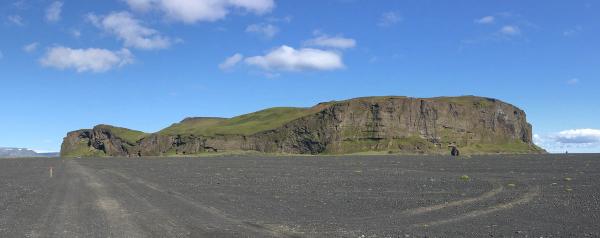
Hjörleifshöfði
Hjörleifshöfði is a historic location in Iceland mentioned in "Flóamanna saga", one of the ancient Íslendingasögur (Sagas of Icelanders). These medieval narratives preserve the history of Iceland's Viking Age settlement.
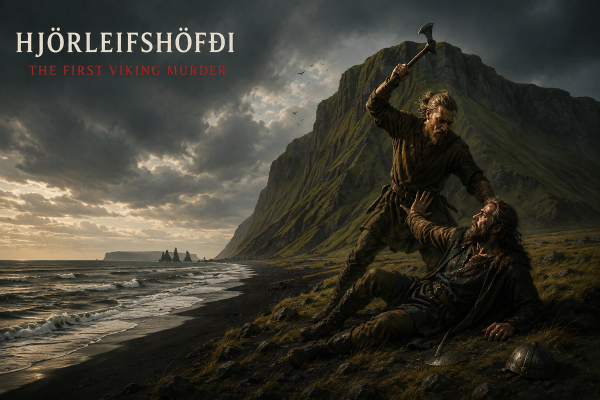
Hjörleifshöfði – The First Viking Murder
Hjörleifshöfði – The First Viking Murder
Staðsetning
Staðsetning
Discover
Explore Nearby
Places within 5.0 km
Loading nearby places…
0 places found within 5.0 km
Plan full itinerary →Kanna meira