
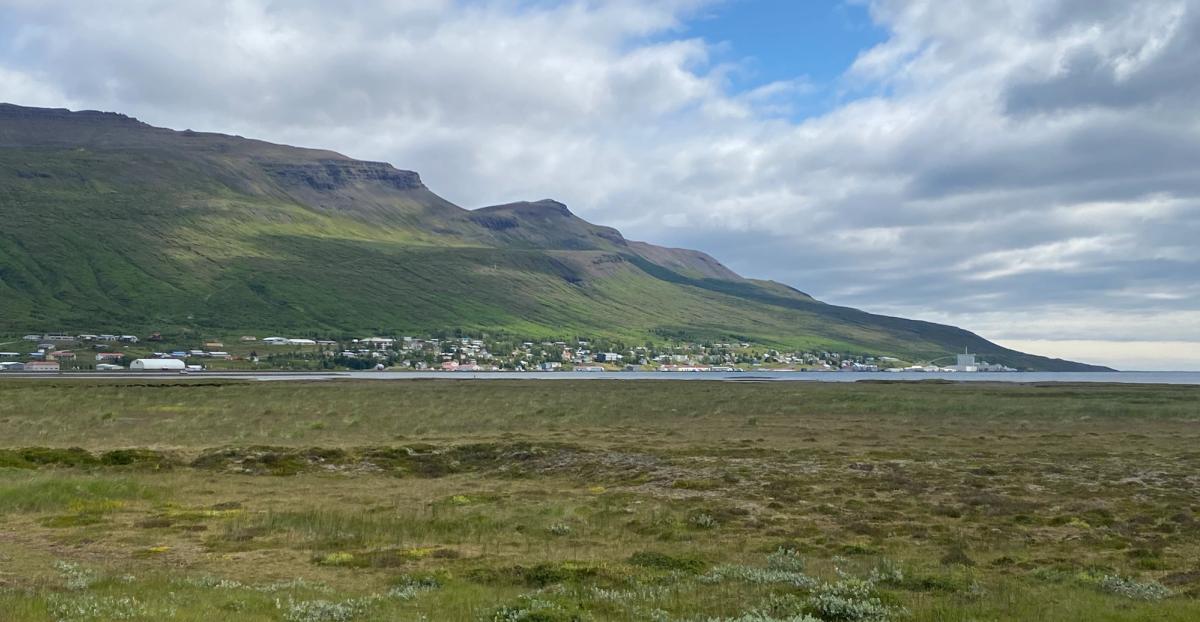
Fáskrúðsfjörður
Ferðastu til Fáskrúðsfjarðar, heillandi þorps sem er staðsett í Austfjörðum Íslands, sögulega þekkt sem Búðir. Sökkva þér niður í ríka fortíð þess, þar sem berg…
Stuttlega
Heimsóknartími
Allow 1-2 hours to explore the village and absorb its historical atmosphere.
Besta árstíð
Summer months (May-September) for best weather and accessibility.
Leiðarvísir
Accessible by road (Route 96 or Route 1) in East Iceland, part of the Fjarðabyggð municipality.
GPS
64.9300, -14.0084
Um
Um Fáskrúðsfjörður
Ferðastu til Fáskrúðsfjarðar, heillandi þorps sem er staðsett í Austfjörðum Íslands, sögulega þekkt sem Búðir. Sökkva þér niður í ríka fortíð þess, þar sem bergmál franskra fiskiskipaflota frá 19. öld ómar enn, og skapar einstaka menningarlega vefnað innan Fjarðabyggðar sveitarfélagsins.
Myndir
Myndavefur
Bakgrunnur
Saga og bakgrunnur
Fáskrúðsfjörður, einnig þekkt undir sögulegu nafni sínu Búðir, á sér mikilvægan stað í annálum Austfjarða Íslands. Sjálfsmynd þess er órjúfanlega tengd sjávarútvegsstarfsemi 19. aldar, sérstaklega sterkri nærveru franskra fiskiskipaflota. Þessir flotar heimsóttu fjörðinn oft og sköpuðu djúp og varanleg menningartengsl við íslenska samfélagið á staðnum. Þorpið þjónaði sem mikilvæg stöð fyrir franska sjómenn og veitti þeim nauðsynlega þjónustu og skjól. Þessi samskipti leiddu til einstakrar menningarblöndu, þar sem frönsk áhrif urðu skilgreinandi eiginleiki Fáskrúðsfjarðar. Þetta sögulega tímabil mótaði þorpið í þann sérstaka stað sem það er í dag, einstakan vitnisburð um alþjóðlegt samstarf á sjó og menningarskipti í afskekktu horni Íslands.
Fáskrúðsfjörður, sögulega þekkt sem Búðir, er staðsett í stórbrotinni náttúru Austfjarða og býður upp á sannarlega einstaka ferðaupplifun. Þetta heillandi þorp, hluti af Fjarðabyggð sveitarfélaginu, er frægt fyrir djúpan og einstakan franskan arf sinn, arfleifð sem nær aftur til 19. aldar þegar franskir fiskiskipaflotar leituðu oft skjóls og vistir hér. Þorpið varð mikilvæg miðstöð og stuðlaði að djúpri menningartengingu sem mótaði sjálfsmynd þess. Þegar þú ráfar um Fáskrúðsfjörð geturðu næstum fundið sögulegt bergmál þessara frönsku sæfara. Þó að engar sérstakar áhugaverðar staðir séu tilgreindir, þá er þorpið sjálft, með sögulegu andrúmslofti sínu og stórkostlegri staðsetningu við fjörðinn, eigin heillandi sýning. Gestir geta sökkt sér niður í rólegri fegurð Austfjarða og íhugað hið dramatíska samspil lands og sjávar sem hefur skilgreint lífið hér í aldir. Einstök blanda af íslenskri seiglu og frönskum áhrifum skapar andrúmsloft ólíkt nokkru öðru í landinu. Ráð fyrir gesti eru að taka sér tíma til að njóta friðsæls umhverfis og tilfinningar fyrir sögunni. Skoðaðu þorpið í rólegheitum, kannski ímyndaðu þér iðandi bryggjur fyrri tíma. Miðað við staðsetningu þess í Austfjörðum, vertu viðbúinn breytilegu veðri og virðu alltaf náttúruna. Fáskrúðsfjörður er staður sem ekki bara er til að sjá, heldur til að finna – lifandi vitnisburður um óvenjulegt menningarsamband sem myndaðist við sjóinn.
Þjóðsögur
Saga og þjóðsögur
Ímyndaðu þér skarpan morgun í Austfjörðum, loftið þykkt af lykt af salti og sjó. Í Fáskrúðsfirði, eða Búðum eins og það var einu sinni þekkt, hvísla enn draugar franskra sjómanna frá 19. öld í vindinum. Ímyndaðu þér hvernig traustir bátar þeirra komu, áhafnir þeirra færðu lifandi sneið af franskri menningu til þessa afskekkta íslenska fjarðar. Þorpið iðaði af nærveru þeirra, einstök menningarskipti áttu sér stað gegn bakgrunni dramatískra fjalla og glitrandi fjarðar. Hver bygging, hver stígur, virðist geyma minningu frá liðnum dögum, af sameiginlegum sögum, hlátri og erfiðu starfi fiskveiðitímabilsins. Þegar maður heimsækir staðinn í dag getur maður næstum heyrt fjarlæg óm franskra laga berast yfir vatnið, hjartnæm áminning um djúp og óvænt tengsl sem binda þessa íslensku útstöð við strendur Frakklands.
Staðbundin þjóðsaga
The French Village of East Iceland
For decades Fáskrúðsfjörður was the main Icelandic hub for French fishermen working off the east coast. Their presence left such a strong mark that the village still celebrates and displays its French connection today.
Staðsetning
Staðsetning
Discover
Explore Nearby
Places within 5.0 km
Loading nearby places…
0 places found within 5.0 km
Plan full itinerary →Kanna meira