GoIceTravel
BílaleigaBóka ferðirBúa til ferðMy IcelandCartRauntíma Norðurljósaspá

Language

Photo via Unsplash

️Iceland Supernatural

Draugastaðir á Íslandi

Draugasögur · Goðsagnir · Dularfullt stöður · Tröll breyst í stein

Gunnuhver GhostHöfði HouseDeacon of MyrkáDimmuborgirReynisdrangar

Draugasögur og draugastaðir á Íslandi

Iceland is famous for its dramatic landscapes of volcanoes, glaciers and lava fields, but the island is also rich with ghost stories and supernatural legends. For centuries, travelers and locals have shared tales about haunted houses, restless spirits, trolls turned to stone and mysterious creatures hidden in the Icelandic wilderness.

Many of these stories come from Icelandic folklore and were passed down through generations during the long dark winters. Some locations are connected to tragic events, others to myths involving trolls, elves and the mysterious hidden people known as Huldufólk.

If you are exploring Iceland and enjoy mysterious places, this guide will show you some of the most famous haunted locations across the country — many of which you can visit today.

Norðurljós

See the Northern Lights Tonight

Check the real-time aurora forecast and best viewing locations across Iceland — updated every hour.

Sæktu AuroraVision

Download on the App StoreGet it on Google Play

Frægustu draugastaðirnir á Íslandi

Átta af frægustu yfirnáttúrulegum stöðum Íslands — allir raunverulegir staðir sem hægt er að heimsækja.

Djákninn á Myrká – The Deacon of Dark River
Mirká

Djákninn á Myrká – The Deacon of Dark River

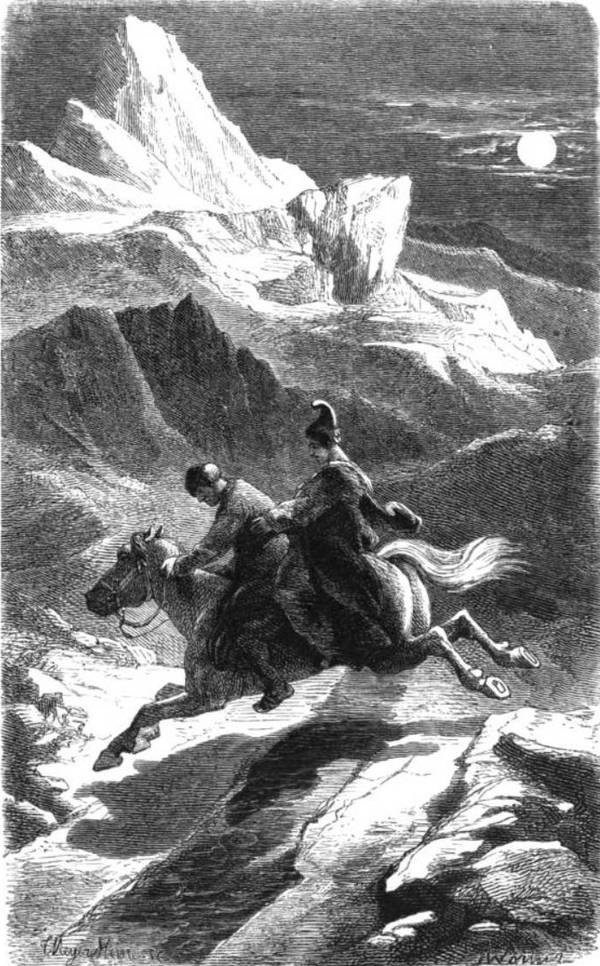
Í þjóðsögunni deyr djákninn áður en hann nær að hitta unnustu sína, en kemur samt ríðandi að sækja hana um nótt.

Djákninn á Myrká er ein þekktasta draugasaga Íslands. Samkvæmt þjóðsögunni hafði ungur djákni mælt sér mót við stúlku, en lést áður en hann gat staðið við loforðið. Stúlkan vissi ekki af dauða hans og beið komu hans.

Djákninn birtist engu að síður ríðandi og tekur hana með sér út í myrkrið. Á leiðinni áttar hún sig smám saman á því að förunauturinn er ekki lengur meðal lifenda. Í þekktum gerðum sögunnar liggur leiðin að gröf, en stúlkan nær að forða sér.

Þetta er þjóðsaga og til eru fleiri en ein gerð hennar. Heimild: Rósa Þorsteinsdóttir, The Dead Bridegroom (ATU 365) in Iceland, Scottish Studies (2026).

#haunted#deacon#myrká#ghost#draugar#south iceland#christmas#folklore
Skuggabaldur – The Shadow Creature

Skuggabaldur – The Shadow Creature

Skuggabaldur: Draugahundur sem gætir gleymdra stíga.

Skuggabaldur, „skuggahundurinn“, er skrímsli í íslenskri þjóðsagnahefð sem hræðir afskekkt og eyðilögð svæði, oftast birtist sem stór, dökkur hundur með glóandi augu. Sagt er að hann sé eins konar verndari, sem birtist ferðamönnum sem villast af leið eða fara á hættulegt svæði.

Tilvist hans er oft boðuð með ógnvekjandi þögn, skyndilegu kulda í loftinu eða óútskýrðri kvíða. Þótt hann sé ekki alltaf illgjarn, er Skuggabaldur ógnvekjandi veruleiki, og að mæta honum er merki um yfirvofandi óheppni eða viðvörun um að snúa við.

Sumar sögur benda til þess að Skuggabaldur sé andi ranglætisdýrs eða bölvaðrar veru, bundinn að eilífu til að ráfa um villta staði, draugalegur vörður sem horfir yfir ótaminn landslag Íslands.

#haunted#shadow#creature#folklore#supernatural#ghost#iceland
Drangey Island – Ghosts of the Sagas

Drangey Island – Ghosts of the Sagas

Drangey: Þar sem forsögulegir hetjur og órólegir andar dvelja.

Drangey, áhrifamikil eyjuvirki í Skagafirði, er ekki aðeins staður forsögulegra hetja heldur er einnig sagt að hún sé ásótt. Hrikalegir klettar hennar og fjarlæg staðsetning gerðu hana að kjörnum felustað fyrir útlaga eins og Gretti sterka, en síðustu, dramatísku ár hans eru rakin í Grettis sögu. Erfiðar aðstæður og ofbeldisfullt líf sem lifað var hér hafa skilið eftir óafmáanlegt spor, sem leiðir til sagna um órólega anda.

Heimafólk og gestir hafa tilkynnt um ógnvekjandi tilfinningar og óútskýranleg fyrirbæri í kringum Drangey. Sumir trúa því að andar þeirra sem lentu í lokum á eyjunni, hvort sem það var vegna átaka eða ófyrirgefinna þátta, reiki enn um vindasöm hæðir hennar. Myrka andrúmsloftið á Drangey, ásamt ríkri sögulegri vefnaði, skapar öflugt blöndu af fornsögum og draugalegri þjóðfræði.

#haunted#drangey#grettir#saga#ghost#outlaw#north iceland#medieval
Gunnuhver – The Angry Ghost of Reykjanes

Gunnuhver – The Angry Ghost of Reykjanes

Gunnuhver: Jarðhitapollur draugurinn reiður.

Á Reykjaneshálendi, jörðin hvæsir og sýður við Gunnuhver, öflugt jarðhitabelti. Þetta er enginn venjulegur heitur pottur; goðsögnin segir að órólegur andi konu að nafni Guðrún (Gunna) sé fangelsaður hér. Knúin til örvæntingar og geðveiki, hún drukknaði sjálf í lindunum eftir að hafa verið svikin af eiginmanni sínum. Sagt er að kvalinn sál hennar láti reiðast, sem veldur ofbeldisfullri sulli og gufu sem einkenna svæðið.

Staðbundin þjóðsaga varar gesti við að nálgast Gunnuhver með virðingu, þar sem sagt er að andi Gunnar sé auðveldlega reiður. Sumar sögur tala jafnvel um að andi hennar hafi verið tekinn og bundinn við svæðið af presti, sem notaði heilagan hring til að temja hana. Samt sem áður, óhreina, ótemda orka Gunnuhvers bendir til þess að þessi öflugi andi sé aldrei sannarlega í friði, stöðug áminning um harmræna fortíð sem fléttast saman við óstöðuga náttúru landsins.

#ghost#geothermal#reykjanes#folklore#priest-exorcism
Skálholt – Draugar hinnar fornu dómkirkju Íslands
South Iceland, in the Golden Circle near the Hvítá River

Skálholt – Draugar hinnar fornu dómkirkju Íslands

Í nær átta aldir var Skálholt eitt helsta miðpunktur trúarlífs á Íslandi og varð vitni að eldum, jarðskjálftum, valdabaráttu og blóðugri aftöku Jóns Arasonar biskups og sona hans, og þar sem kynslóðir biskupa, presta og annarra hafa verið grafnar undir og í kringum kirkjustaðinn kemur ef til vill ekki á óvart að íslenskar þjóðsögur hafi umvafið þennan forna stað frásögnum af skuggalegum verum, óútskýrðum fótatökum og órólegum öndum sem virðast tregir til að yfirgefa einn helgasta og sögufrægasta stað landsins.

Í aldaraðir var Skálholt einn valdamesti staður Íslands. Fyrsti biskup landsins settist þar að árið 1056 og með tímanum varð staðurinn miðstöð trúar, menntunar og stjórnmála. Biskupar, prestar, fræðimenn, þjónustufólk og nemendur bjuggu á staðnum á meðan hver dómkirkjan á fætur annarri reis, brann, hrundi og var endurreist á sama helga staðnum. Núverandi dómkirkja er aðeins nýjasti kaflinn í sögu sem nær nærri þúsund ár aftur í tímann.\n\nÞessi langa saga hefur einnig gefið Skálholti dularfullt orðspor. Sögur hafa gengið um óljósar mannverur sem sjást á ferð um kirkjugarðinn eftir að rökkva tekur, fótatak þegar enginn sést á ferli og óþægilega tilfinningu um að einhver standi rétt hjá þótt enginn sé þar. Í sumum frásögnum birtast verur í klæðnaði presta sem hverfa á milli kirkjunnar og gamla grafreitsins, eins og fyrrum íbúar Skálholts gangi enn eftir leiðum sem hurfu fyrir mörgum öldum.\n\nFáir atburðir hafa varpað jafn löngum skugga yfir Skálholt og það sem gerðist 7. nóvember árið 1550. Jón Arason, síðasti kaþólski biskup Íslands, hafði verið tekinn höndum ásamt sonum sínum, Ara og Birni, í átökum siðaskiptanna. Þeir voru fluttir til Skálholts og hálshöggnir þar. Dauði þeirra varð einn dramatískasti atburður íslenskrar kirkjusögu og markaði í raun endalok skipulagðrar kaþólskrar mótspyrnu gegn siðaskiptunum á Íslandi. Minnisvarði við Skálholt minnir enn á aftökuna.\n\nJörðin sjálf geymir einnig áþreifanlegar minjar um þá sem hér hafa lifað og dáið. Við fornleifarannsóknir árið 1954 fannst steinkista Páls Jónssonar, biskups í Skálholti frá 1195 til 1211. Kistan er nú varðveitt í kjallara dómkirkjunnar. Að standa þar niðri, umkringdur steini og aldagamalli sögu, getur látið mörkin milli fortíðar og nútíðar virðast óvenju þunn.\n\nÍ gegnum aldirnar hefur Skálholt orðið fyrir miklum hörmungum. Árið 1630 varð stórbruni á staðnum og öflugir jarðskjálftar síðar á 18. öld áttu þátt í því að biskupsstóllinn var fluttur frá Skálholti. Byggingar hurfu, ný hús risu yfir gömlum minjum og grafir frá ólíkum tímabilum urðu hluti af landslaginu. Undir friðsælum völlunum í dag leynast ummerki byggðar sem eitt sinn var mun stærri og fjölmennari en nútímagestir gætu ímyndað sér.\n\nEngar sannanir eru fyrir því að raunverulegir draugar gangi um Skálholt, en það hefur aldrei komið í veg fyrir að draugasögur festi þar rætur. Þegar myrkrið leggst yfir kirkjugarðinn og dómkirkjan stendur ein yfir fornum undirstöðum er auðvelt að skilja hvers vegna sögur af biskupum, prestum og öðrum dularfullum verum hafa lifað áfram. Draugarnir í Skálholti kunna að tilheyra þjóðsögunum — en dauðsföllin, grafirnar og stormasama sagan á bak við frásagnirnar eru fyllilega raunveruleg.

#haunted#skálholt#bishop#history#south iceland#medieval#ghost
Höfði House – Reykjavík's Haunted Mansion

Höfði House – Reykjavík's Haunted Mansion

Höfði húsið: Sögulegt hús í Reykjavík með kuldalegri yfirnáttúrulegri fortíð.

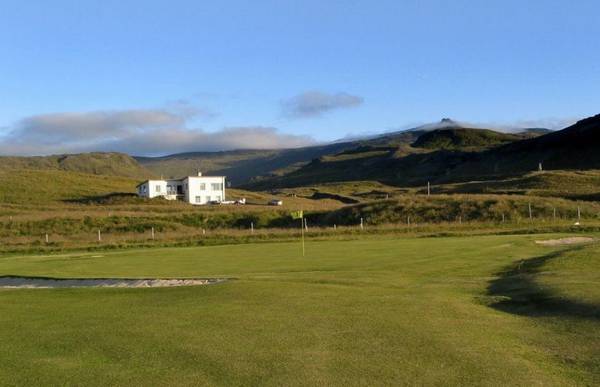
Höfði húsið, áberandi bygging í Reykjavík, er þekkt ekki aðeins fyrir sögulega þýðingu sína sem vettvangur leiðtogafundar Reagan-Gorbatsjov árið 1986, heldur einnig fyrir ógnvekjandi orðspor sitt sem einn af draugasetnustu stöðum borgarinnar.

Talnar sögur fara af draugasýnum, óútskýrðum hljóðum og víðtækri ókyrrð innan veggja þess. Gestir og starfsfólk hafa greint frá kuldalegum kynnum við óséðar verur, sem stuðlar að goðsögn þess sem stað þar sem fortíðin neitar að vera grafin.

Hvort sem þú trúir á drauga eða ekki, stendur Höfði húsið sem vitnisburður um bæði nútímasögu Íslands og varanlega töfrun sína á yfirnáttúrulegu.

#ghost#reykjavik#mansion#historic#white-lady

Aðrir draugastaðir á Íslandi

These locations have been connected to ghost stories, paranormal events and supernatural encounters over the centuries.

Þingvellir – The Drowning Pool
💧

Þingvellir – The Drowning Pool

Iceland's ancient parliament site hides a dark history. The Drekkingarhylur pool here was the execution site where women accused of witchcraft and infanticide were drowned for centuries.

Lesa heila sögu →

National Theatre of Iceland
🎭

National Theatre of Iceland

Staff and performers have reported unexplained sounds, flickering lights and ghostly presences in the backstage areas and upper floors of this early 20th century building.

Lesa heila sögu →

Laugar Junior College
🏫

Laugar Junior College

A boarding school with a long local reputation for hauntings, particularly in the oldest stone wing. Former students describe unexplained cold drafts, footsteps and doors that open and close on their own.

Lesa heila sögu →

Bessastaðir Presidential Estate
🏰

Bessastaðir Presidential Estate

One of Iceland's oldest building complexes, continuously occupied since the Viking Age. Seven centuries of history have left their mark — staff describe persistent unexplained activity in the older wings.

Lesa heila sögu →

Skriðuklaustur Monastery
⛪

Skriðuklaustur Monastery

A 16th century Catholic monastery dissolved during Iceland's Reformation. Archaeological excavations found human remains beneath the foundations, and workers have reported unexplained presences.

Lesa heila sögu →

Selkollusteinn – The Haunted Rock of Strandir
👻

Selkollusteinn – The Haunted Rock of Strandir

Bjarnarfjarðarháls, Strandir

Selkollusteinn is a named rock linked to the medieval story of Selkolla, the seal-headed spirit of Strandir.

Lesa heila sögu →

Möðruvellir – The Haunted Farm
🏚️

Möðruvellir – The Haunted Farm

Möðruvellir – Hins draugsótta bæjar: Þar sem órólegir andar dvelja.

Lesa heila sögu →

Hólavallagarður Cemetery
🪦

Hólavallagarður Cemetery

Iceland's oldest cemetery (established 1838), where spirits are said to walk between mossy headstones at night. Many of Iceland's most prominent historical figures are buried here.

Lesa heila sögu →

Draugasetrid – Ghost Center
👻

Draugasetrid – Ghost Center

Iceland's dedicated ghost story museum and haunted house experience on the South Coast. Themed rooms recreate famous Icelandic ghost legends, including the Deacon of Myrká.

Lesa heila sögu →

Seljavallalaug – Dularfulla Laugin
♨️

Seljavallalaug – Dularfulla Laugin

Dularfull hveralaug í afskekktum dal þar sem göngumenn segjast heyra raddir án sýnilegs uppruna, sérstaklega um kvöldmatarleytið á haustin.

Lesa heila sögu →

Hvítárnes Hut
🏔️

Hvítárnes Hut

A remote highland hut accessible only in summer where travelers have reported strange sounds, moving objects and apparitions that appear and vanish during overnight stays.

Lesa heila sögu →

Þórbergsstofa – Childhood Home of the Supernatural Writer
📚

Þórbergsstofa – Childhood Home of the Supernatural Writer

The childhood home of writer Þórbergur Þórðarson, who documented encounters with elves, ghosts and supernatural beings. Guides tell stories of strange events that continue to occur at the farm.

Lesa heila sögu →

Snæfellsnes Abandoned Farms – Haunted Ruins of the West
🏚️

Snæfellsnes Abandoned Farms – Haunted Ruins of the West

Snæfellsnes

Snæfellsnes yfirgefnar bændabýli: Viskur fortíðar í eyðilegum heimili.

Lesa heila sögu →

Most Haunted Places in Iceland

These locations are among the most famous haunted sites in Icelandic folklore. Many are real places you can visit today — each with stories passed down for centuries.

️

Gunnuhver Geothermal Area

Most Famous Ghost
Reykjanes Peninsula →

One of Iceland's most famous ghost stories is connected to Gunnuhver. According to legend, a woman named Gunna died after a dispute with a local official. After her burial, she returned as a powerful restless spirit and began haunting the region. A priest eventually trapped her ghost inside the boiling geothermal vents where she is believed to remain today.

️ Open in Google Maps
️

Möðruvellir Farm

Revenant Story
North Iceland →

The farm of Möðruvellir is associated with one of Iceland's most persistent revenant stories. A drowned worker named Þórólfur returned after death and walked through the farm every night until a priest performed a ritual to stop the haunting.

️ Open in Google Maps
️

Drangey Island

Outlaw Legend
North Iceland →

This isolated sea stack in Skagafjörður is connected to the death of the outlaw Grettir the Strong. Climbers have reported hearing footsteps and voices on the island for centuries.

️ Open in Google Maps

Lagarfljót Lake

Lake Monster
East Iceland →

The mysterious creature known as Lagarfljótsormurinn has been reported in this lake since medieval times. Some consider it Iceland's version of the Loch Ness Monster — sightings continue to this day.

️ Open in Google Maps

Reynisdrangar Sea Stacks

Trolls Turned Stone
South Coast →

According to legend, these sea stacks were trolls dragging a ship to shore before sunrise turned them to stone. The beach of Reynisfjara remains one of the most dramatic and folklore-rich sites on the South Coast.

️ Open in Google Maps

Dimmuborgir Lava Formations

Home of Yule Lads
North Iceland →

These dramatic lava towers near Lake Mývatn are said to be the home of Iceland's Yule Lads and their terrifying mother Grýla. Local legends describe the caves as entrances to the underworld.

️ Open in Google Maps

Snæfellsjökull Glacier

Mystical Energy
Snæfellsnes →

This glacier is believed by many to be one of the world's great energy centres. Jules Verne used it as the entrance to the centre of the Earth in his novel. Locals describe unusual feelings of calm and strangeness near the summit.

️ Open in Google Maps

Hekla Volcano

Gateway to Hell
South Iceland →

In medieval Europe, Hekla was believed to be one of the entrances to Hell. Birds flying near the volcano were thought to be the souls of the damned. Icelandic farmers still treat eruptions with deep respect.

️ Open in Google Maps

Tegundir draugafundanna tilkynntar á Íslandi

Travelers across Iceland have reported strange experiences in remote valleys, abandoned farms and coastal cliffs. These experiences are part of Iceland's living folklore tradition.

Footsteps in empty farmhouses

Old turf farms are the most commonly reported sites of unexplained sounds.

Figures crossing lava fields at night

Travelers on Iceland's highland roads have reported silhouettes moving across the lava.

Voices heard near waterfalls

The roar of Iceland's waterfalls has long been associated with spirits calling out.

Moving objects in old turf houses

Historical farmhouses across Iceland have stories of objects shifting without explanation.

Unexplained lights in the Highlands

Ball lightning, will-o'-the-wisps and aurora reflections all feed Highland ghost traditions.

Shapes beneath lake surfaces

Lagarfljót and other lakes have centuries of sighting reports of shapes moving underwater.

These experiences are part of Iceland's living folklore tradition and remain an important part of cultural storytelling today.

Where to Experience Icelandic Ghost Stories Today

Visitors interested in Iceland's supernatural folklore can explore haunted locations across the country. Many are accessible as part of day trips from Reykjavík or along the Ring Road.

Icelandic Folklore: Ghosts, Trolls and Hidden People

Icelandic folklore includes a wide range of supernatural beings — ghosts known as draugar, trolls that roam the mountains at night, and elves known as the hidden people or Huldufólk. These are not simply fairy tales: surveys consistently show that a significant portion of Icelanders believe in the possible existence of hidden people, and road construction projects have been rerouted to avoid disturbing rocks believed to be inhabited by elves.

The draugar of old Norse tradition are particularly frightening — not gentle ghosts but physical undead who rise from their graves to haunt and harm the living. Many of Iceland's ghost stories follow this older tradition, where the restless dead are genuinely dangerous and must be stopped through ritual or force.

Trolls occupy a different category — enormous, slow-moving mountain creatures who turn to stone in sunlight. You can see the results of this transformation all across Iceland: in the sea stacks off Reynisfjara, in the monolithic rocks that dot Icelandic hillsides, in the strange formations of Dimmuborgir. Every rock with a particularly human shape has a story.

Many Icelanders respect these legends and stories are still told about specific rocks, lava fields and mountains where supernatural beings are believed to live. Whether you believe them or not, they give Iceland's landscape an atmosphere unlike anywhere else on earth.

Draugar

Physical undead who rise from graves. Unlike gentle ghosts, draugar are dangerous and must be stopped by ritual or force.

Huldufólk

The Hidden People — elves living in rocks and lava. Road construction in Iceland has been rerouted to avoid disturbing their homes.

Trolls

Giant mountain creatures who turn to stone in sunlight. Evidence of their petrification can be seen in rock formations across the country.

️

Visiting Haunted Places in Iceland

Respect private property. Many haunted farms and buildings are on private land. Do not trespass.

Safety first. Abandoned structures are dangerous — collapsing roofs, unstable floors, and harsh weather make these places genuinely hazardous.

Reynisfjara warning. The beach at Reynisdrangar generates massive unpredictable sneaker waves. Never turn your back on the ocean here.

Preserve the sites. Do not vandalize, remove items, or disturb these locations. They are part of Iceland's cultural heritage.

Iceland Ghost Stories and Folklore

Ghost stories have long been part of Icelandic folklore. Many legends tell of restless spirits, trolls turned to stone and mysterious hidden people living inside lava fields and mountains. These stories were not invented for tourists — they were passed down through generations during Iceland's long winter nights, when darkness lasted nearly all day and isolated farms felt cut off from the world.

Visitors exploring Iceland today can discover many places connected to these stories, from haunted houses in Reykjavík to mysterious lava formations in the north. The draugar — Iceland's physical undead — are particularly ancient: they appear in medieval sagas as dangerous creatures who must be physically fought or ritually bound. Many of the places on this map are connected to these saga-age events.

Iceland's troll legends explain the country's most dramatic rock formations. The sea stacks at Reynisdrangar, the lava maze of Dimmuborgir, the monoliths scattered across Snæfellsnes — all were once giants or trolls who miscalculated the sunrise. Even today, locals point to specific rocks and tell you their names.

The Huldufólk, Iceland's hidden people, occupy a category of their own. Unlike ghosts and trolls, they are not considered dangerous. They are simply there — living in rocks, lava formations and hills, parallel to human Iceland. An estimated 54% of Icelanders say they believe in the possible existence of hidden people, and road construction has been rerouted to protect their homes.

Whether you come to Iceland for the Northern Lights, the volcanoes or the ghost stories, the folklore is inescapable. Every landscape has a legend. Every farm has a name that remembers someone who died there. Every rock formation has a story about what it used to be before the sun rose.

Why Iceland Has So Many Ghost Stories

For centuries Icelanders lived on isolated farms surrounded by darkness, volcanic landscapes and extreme winters. Ghost stories became part of everyday life and helped explain events that could not otherwise be understood.

Long winters with only 4–5 hours of daylight meant that strange sounds, flickering lights and unusual shapes were a constant presence. Without electricity, the darkness inside turf houses was total — and outside, the lava fields and mountains were full of shadows that moved.

The sagas gave Icelanders a literary tradition for preserving these stories. Unlike in many cultures where ghost stories faded into fairy tales, Iceland's stories stayed grounded in specific places, specific names and specific events — turning them into a kind of folklore geography that locals still navigate today.

Even today, many Icelanders treat supernatural locations with respect — especially elf rocks, haunted valleys and abandoned farms connected to tragic histories. Road construction projects have been rerouted to protect elf homes. Ancient burial mounds are left undisturbed. The stories are still alive.

Leiðsögðar upplifanir

Ferðir og dagferðir á Íslandi

Gullni hringurinn, norðurljósaferðir, hvalaskoðun, jöklagöngur, hraunhellirferðir og fleira. Skoðaðu Ísland á þinn hátt.

Skoða ferðir →