

Photography Guide
Best Photography Spots in Iceland
Iceland is a photographer's paradise — from the ethereal Northern Lights to black sand beaches, volcanic craters, and waterfalls wrapped in ice. This guide covers the finest locations for landscape, wildlife, and aurora photography, with insider tips on timing, gear, and access.
Why Iceland Is a Photographer's Paradise
Iceland sits on the edge of the Arctic Circle, where the light behaves unlike anywhere else on Earth. The golden hour stretches for hours in summer. In winter, the low sun skims the horizon all day, casting the landscape in warm amber. And when darkness falls, the sky comes alive with the Northern Lights.
Whether you shoot on a mirrorless camera, a DSLR, or your smartphone, Iceland rewards patience and timing. This guide covers our top locations, the best seasons to visit each, and practical tips so you can make the most of every frame.
Iceland's Best Photography Locations
Our pick of the most rewarding places to point a camera in Iceland. Tap any location for directions, access details and more photos on its GoIceTravel page.

Jökulsárlón Glacier Lagoon
Photo tip: Shoot the icebergs on calm, dark water for mirror reflections; a polarizer cuts surface glare. Winter sidelight at sunrise is magical.

Diamond Beach
Photo tip: Use a 1–6 second exposure to blur the surf swirling around the ice. Watch for sneaker waves — keep yourself and your gear well back from the waterline.

Vestrahorn Mountain & Stokksnes
Photo tip: A wide-angle lens captures the full sweep of mountain, lagoon and black dunes; look for mirror reflections in the shallow water at the base.

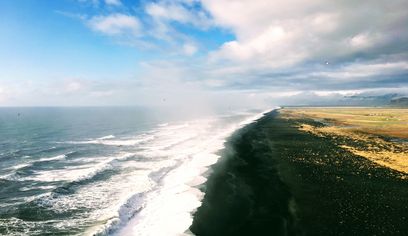
Reynisfjara Black Sand Beach
Photo tip: Frame the hexagonal basalt columns and the Reynisdrangar sea stacks. Never turn your back on the ocean — the waves here are dangerous.

Unknown place
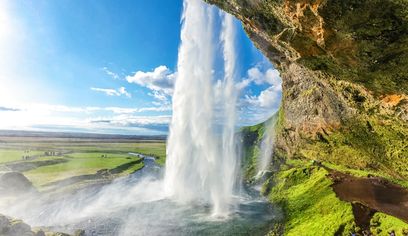
Photo tip: Walk behind the curtain of water for a rare backlit frame — bring a microfibre cloth and a lens hood to fight the spray.

Thingvellir National Park
Photo tip: Excellent dark-sky foreground for auroras away from city light; the Almannagjá rift adds natural leading lines.

Kirkjufell
Photo tip: Pair the cone-shaped peak with Kirkjufellsfoss in the foreground — the classic long-exposure composition, and a superb aurora anchor.
Jökulsárlón Glacier Lagoon
Jökulsárlón is Iceland's crown jewel for photographers. Luminous blue icebergs calve from Breiðamerkurjökull glacier into a lagoon of ink-dark water, before drifting out to Diamond Beach where they rest on black sand like scattered gems.
Best Time to Photograph
Winter (November–March) offers the best light and the possibility of auroras reflected in the lagoon. Arrive at sunrise or just before sunset for warm sidelight on the ice. In summer, the midnight sun creates an otherworldly glow at 11 pm–1 am.
Vestrahorn & Stokksnes
The jagged peaks of Vestrahorn rising above a perfect crescent of black sand are one of the most photographed scenes in Iceland — and for good reason. The mountain's dramatic silhouette reflects in the shallow lagoon at its base, creating mirror images that feel almost unreal.
Access is through the private Viking Café property (small fee). Sunrise in autumn and winter, when the mountain catches the first low light, is the golden hour. A wide-angle lens captures the full sweep of mountain, lagoon, and beach.
Northern Lights Photography
Capturing the aurora is a rite of passage for any Iceland photographer. The season runs from September to mid-April — darkness is required. Head away from Reykjavík's light pollution: the Reykjanes Peninsula, Þingvellir, or anywhere along the South Coast work well.
Camera Settings to Start With
ISO 1600–3200 · f/2.8 or wider · 10–20 second shutter speed. Shoot in RAW. Autofocus will hunt in the dark — set to manual and focus on a distant star or light. Bring a head torch with a red-light mode to preserve night vision.
Photography FAQs
Tours to These Photography Locations
Many of the locations above sit along the South Coast. These guided South Coast tours reach them without the winter driving, and most stop at the waterfalls, black-sand beaches and glacier viewpoints featured in this guide.
 10 hours 30 minutes
South Coast Tour - Black Sand Beach, Plane wreck, Skogafoss, Seljalandsfoss guided in Chinese冰岛南岸黑沙滩飞机残骸中文一日团
Magic Iceland Travel
Frá
18,480 ISK
 10 hours
Private South Coast tour
EastWest
Frá
220,000 ISK
 11 hours
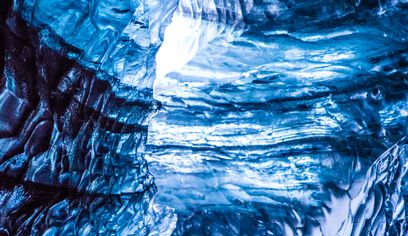
DT 02 South Coast and Katla Ice Cave
Superjeep
Frá
85,580 ISK
 11 hours
Private Premium South Coast Small Group Tour
Iceland Horizon - Saga Travel - GeoIceland
Frá
299,900 ISK
Plan Your Iceland Photography Trip
Use our free trip planner to map out your shooting locations, travel days, and accommodation.
Open Trip Planner →Ready to Plan Your Trip?
Build your Iceland itinerary with our free trip planner — or browse activities and tours.