Eggin í Gleðivík – Djúpivogur
The landmark outdoor artwork in Djúpivogur: 34 granite bird eggs lining the shore of Gleðivík.
About
About Eggin í Gleðivík – Djúpivogur
The landmark outdoor artwork in Djúpivogur: 34 granite bird eggs lining the shore of Gleðivík.
Walk among 34 giant stone bird eggs in a unique outdoor sculpture installation beside a beautiful East Iceland harbour.
Photos
Photo Gallery
Background
History & Background
The town's most distinctive feature is the Eggin í Gleðivík sculpture walk — 34 large stone eggs placed along the shore, each polished from a different stone type and representing a bird species native to the area. The walk takes about 20 minutes to complete and is accessible year-round at no charge. Djúpivogur also has a small harbour, a hotel, and a museum with exhibits on the area's natural and cultural history. The nearby mountain Búlandstindur is a popular hiking destination with exceptional panoramic views over the fjord and ocean.
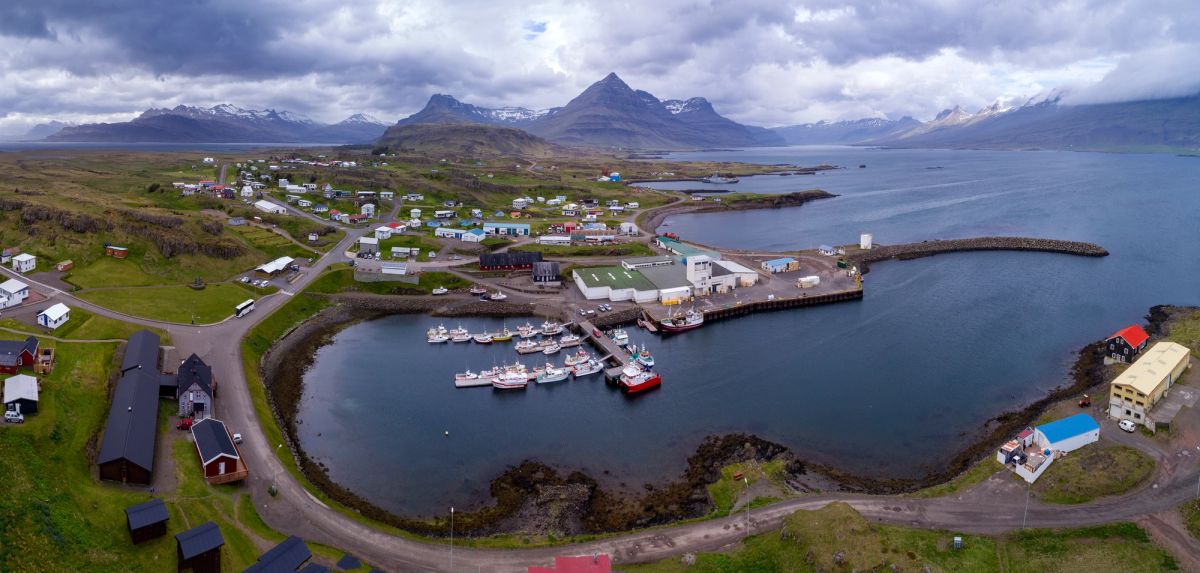
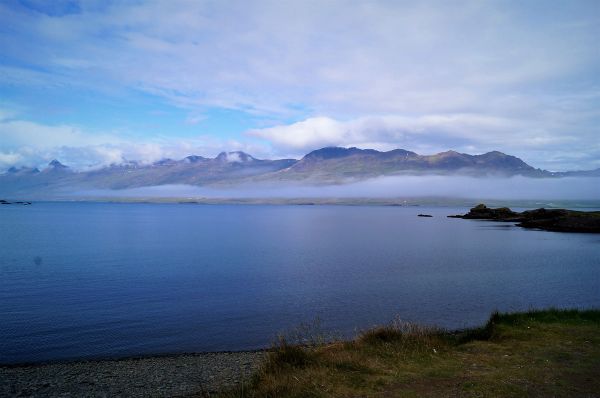
Djúpivogur is a small town of about 400 residents on the shores of Berufjörður in East Iceland. Surrounded by dramatic mountains including the pyramid-shaped Búlandstindur, the town serves as a base for exploring the southern part of East Iceland and the Eastfjords. The town's most distinctive feature is the Eggin í Gleðivík sculpture walk — 34 large stone eggs placed along the shore, each polished from a different stone type and representing a bird species native to the area. The walk takes about 20 minutes to complete and is accessible year-round at no charge. Djúpivogur also has a small harbour, a hotel, and a museum with exhibits on the area's natural and cultural history. The nearby mountain Búlandstindur is a popular hiking destination with exceptional panoramic views over the fjord and ocean.
Folklore
Story & Folklore
In 2009, artist Sigurður Guðmundsson created Eggin í Gleðivík — The Eggs in Joy Bay — placing 34 oversized stone eggs along the harbour walk of Djúpivogur. Each egg represents a species of bird that lives or nests in the Berufjörður area. The installation has given this quiet fishing village a unique artistic identity and become one of the most photographed locations in East Iceland.
💡 Did You Know?
Each of the 34 eggs in Djúpivogur is made from a different type of stone — and each one represents a real bird species that lives in the area.
Local Legend
The Elves of the Eastern Fjords
The steep mountains and narrow fjords of East Iceland are considered one of the most enchanted regions of the country. Local tradition holds that entire communities of elves (álfar) live inside the mountains, with their own towns, churches, and social structures mirroring human society. Fishermen in eastern fjord villages have long reported seeing lights in the mountainsides on dark winter nights — the windows of elf houses, they say. Some families maintain that their ancestors had regular contact with the elf-folk, trading goods and sharing knowledge. The belief is so persistent that construction projects in the region still sometimes account for known elf dwellings.
Culture
Stories & Legends
Icelandic sagas and folklore from this area
Æðarsteinn
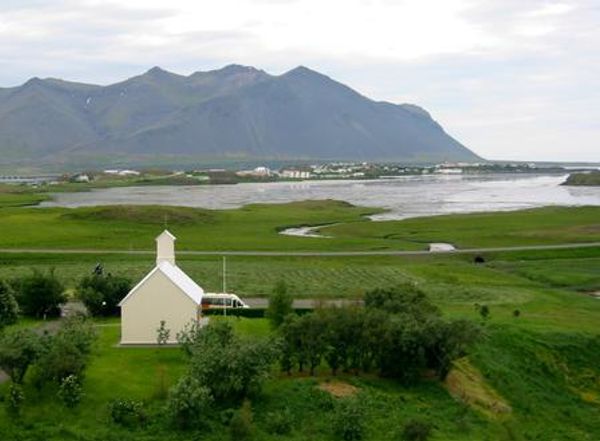
Æðarsteinn is a historic location in Iceland mentioned in "Þorsteins saga Síðu-Hallssonar", one of the ancient Íslendingasögur (Sagas of Icelanders). These medieval narratives preserve the history of Iceland's Viking Age settlement.
Berunes
A remote coastal area steeped in saga lore and natural beauty.
Explore
Hidden Gems Nearby
✦ Best Time of Day
Visit Djúpivogur Village & Eggin í Gleðivík during golden hour (the hour after sunrise or before sunset) for the most beautiful light.
Iceland's low-angle sunlight creates long shadows and warm colors that transform ordinary scenes into extraordinary ones.
✦ Local Knowledge
Ask locals for their favorite nearby spots — Icelanders are friendly and love sharing recommendations.
The best experiences often come from local tips about lesser-known viewpoints, cafés, or hidden natural features.
✦ Weather Changes
Don't leave if the weather is bad — wait 15 minutes and it often changes dramatically.
Iceland's rapidly changing weather can transform a gray scene into a spectacular display of light and clouds in minutes.
Help
Frequently Asked Questions
Location
📍 Location
Discover
Explore Nearby
Places from our database within 1.0 km — all data from Sanity
Loading nearby places…
0 places found within 1.0 km
Plan full itinerary →Explore More