
Natural Hot Spring
Svartsengi
reykjanes
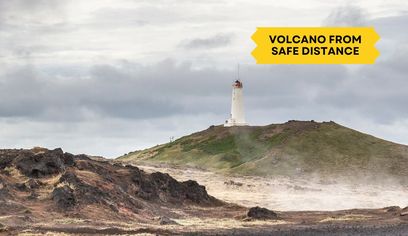
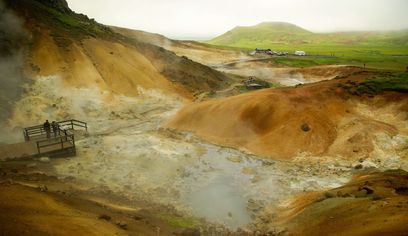
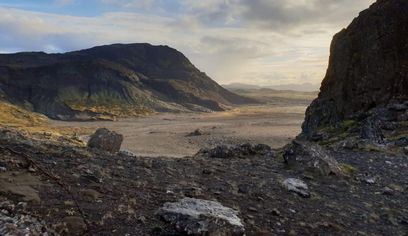
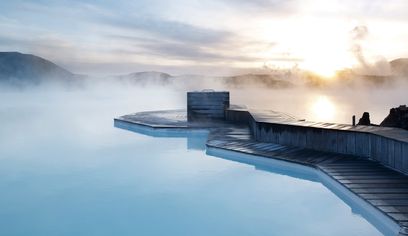
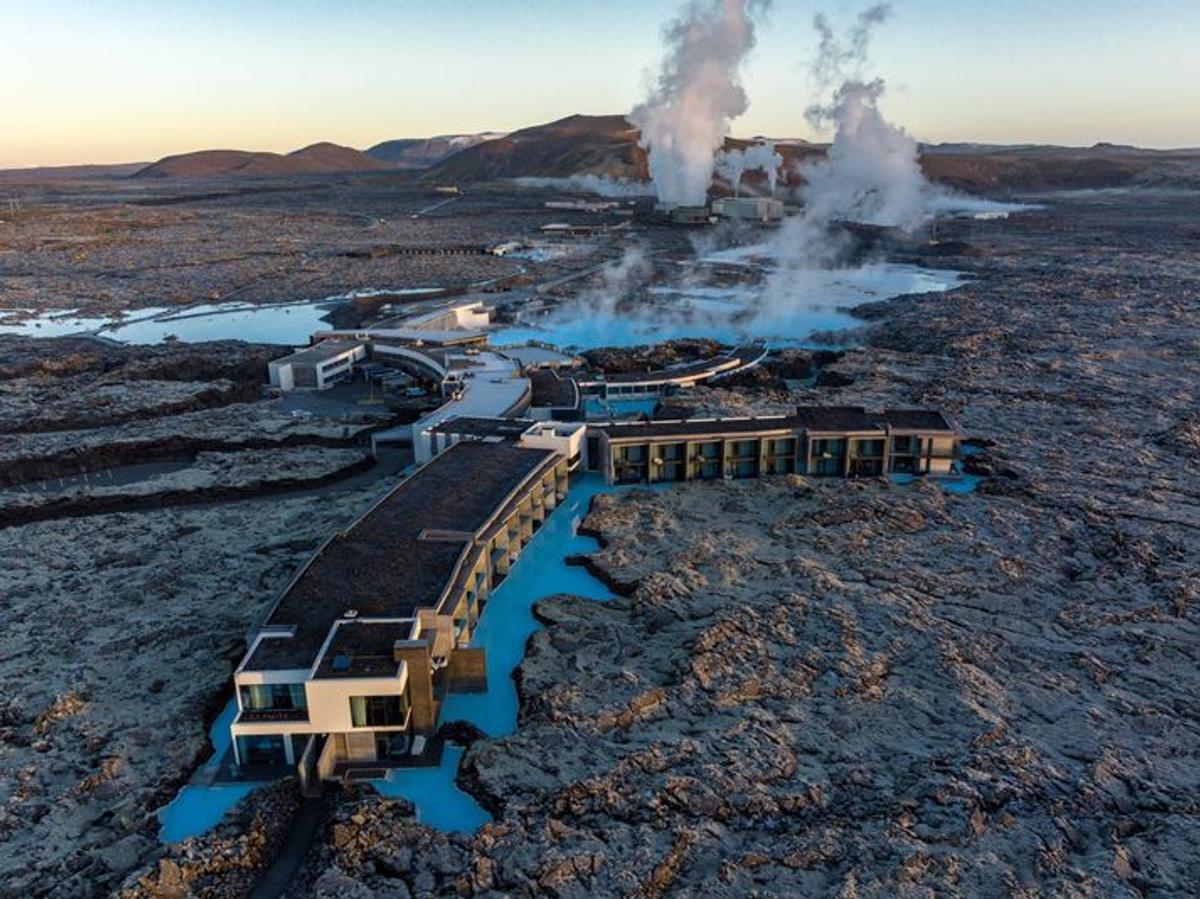
Svartsengi is one of the five major high-temperature geothermal areas of the Reykjanes Peninsula, located north of Grindavík. The field has been harnessed for district heating since 1976 and for electricity generation since 1978. Its geothermal system supplies hot water across the Reykjanes region, while mineral-rich brine from the power operation created the discharge pond that became the foundation of the Blue Lagoon. Svartsengi is also a place where Iceland's natural and human history overlap. The name comes from an old stopping place used by horsemen, while the modern landscape around the power plant has become a landmark of geothermal engineering, resource use and, since late 2023, renewed volcanic unrest beneath the area.
Understand how one Reykjanes geothermal field connects Iceland's volcanic geology, district heating, electricity production, the origin of the Blue Lagoon and today's active volcanic monitoring.
Story
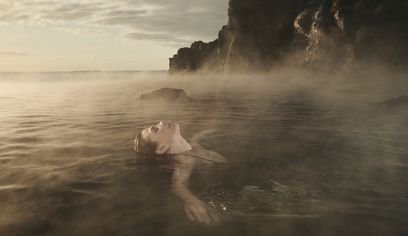
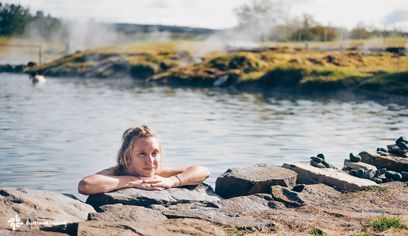
For centuries, Svartsengi was simply part of the rough travel landscape north of Grindavík, remembered in its name as an old stopping place for horsemen crossing Reykjanes. In the twentieth century, the same ground became the site of an energy experiment that changed life across the peninsula. When drilling began in the early 1970s, engineers discovered a powerful but difficult resource: extremely hot geothermal fluid that was too salty to send directly into houses. The solution was to use the geothermal heat indirectly, warming clean freshwater through heat exchangers. In 1976, hot water from Svartsengi reached Grindavík, and two years later the site also began generating electricity. A by-product of that process would become even more famous than the power plant. Mineral-rich brine pooled in the dark lava beside the facility, creating an unusual blue-white lagoon. What began as geothermal discharge eventually became the Blue Lagoon and a model for HS Orka's wider Resource Park philosophy. Today Svartsengi tells another chapter of Reykjanes history. Since late 2023, ground uplift and magma accumulation beneath the area have made it one of Iceland's most closely watched volcanic systems. The same underground heat that powers homes and businesses is part of a landscape that is still actively being reshaped.