


Natural Hot Spring
Hverbraud
north-iceland
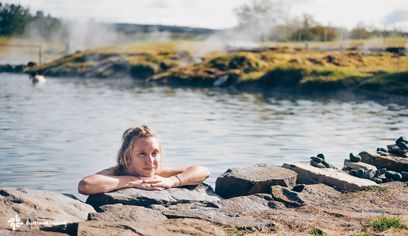
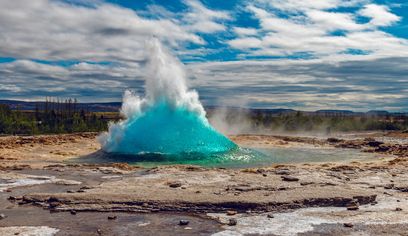
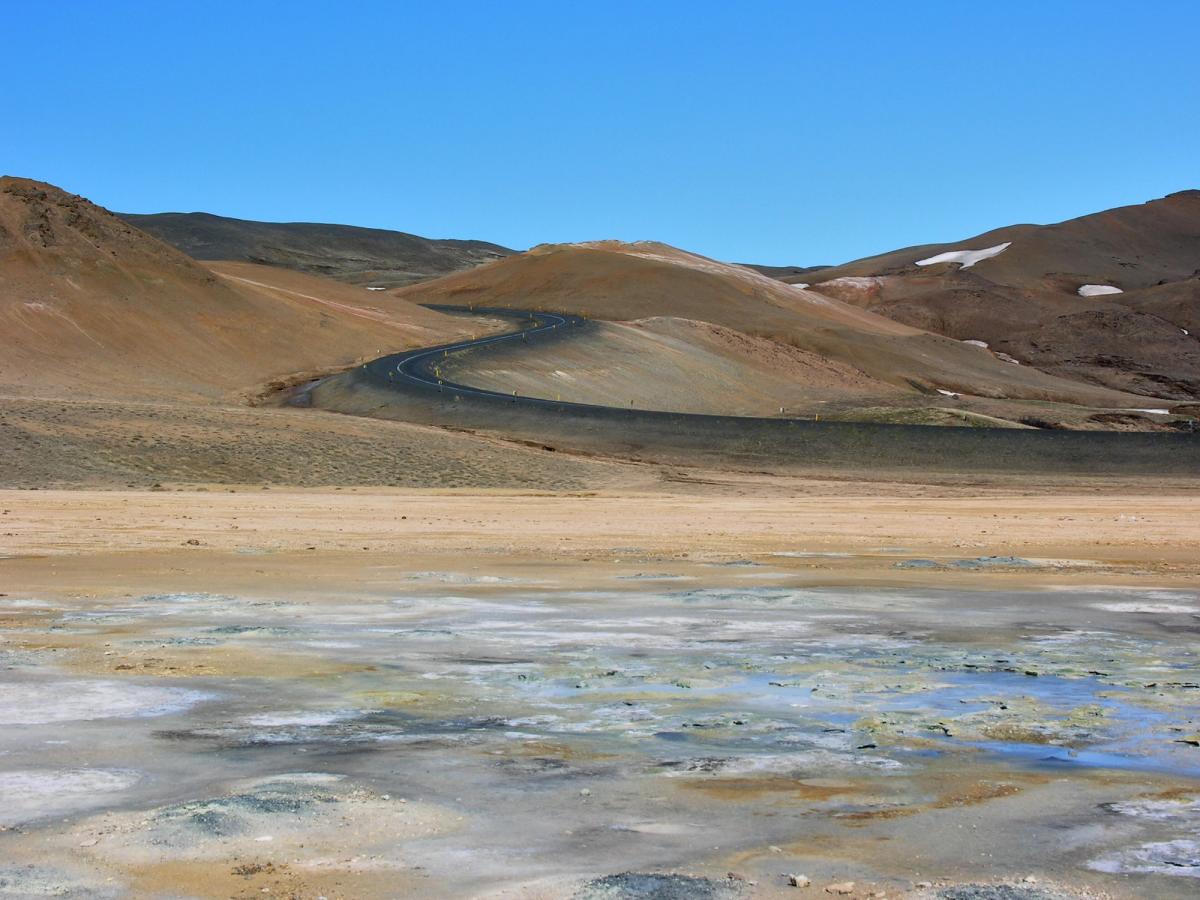
Hverabrauð is not a landmark, but a delicious rye bread baked using geothermal heat, a culinary tradition unique to Iceland's volcanic landscapes. Imagine the rich aroma rising from the earth itself, much like the steam seen across the vibrant, mineral-rich ground in the image, where nature's oven creates a truly authentic taste of Iceland.
Taste a piece of Iceland's geological heritage, freshly baked by the earth's natural warmth.
Story
In the heart of North Iceland's dramatic volcanic landscape, where the earth breathes with visible steam and vibrant mineral hues, lies a unique culinary tradition: Hverabrauð. This isn't a specific mountain or a geyser, but a taste of Iceland itself, born from the very ground beneath your feet. Imagine the scene captured in the image: the winding road disappearing into barren, colorful hills, and in the foreground, the otherworldly geothermal activity. It's amidst such a raw, powerful environment that generations have harnessed nature's heat to bake a dense, dark rye bread. The process is simple yet profound: dough is placed in sealed pots and buried in the hot ground, slowly baking to perfection over a day. The result is a sweet, hearty bread, often served with butter or smoked trout, embodying the resilience and ingenuity of Icelandic culture in harmony with its fiery, beautiful land.
About Hverbraud
While 'Hverbraud' (Hverabrauð) doesn't refer to a single, specific landmark at these coordinates, it represents a cherished Icelandic culinary tradition intrinsically linked to the country's geothermal activity, vividly depicted in the image. The landscape here, with its steaming vents, bubbling mud pots, and mineral-stained earth in shades of ochre, grey, and pale blue, is a testament to the powerful forces at play beneath the surface. It is within such an environment that Hverabrauð, or hot spring bread, is traditionally prepared. This dense, slightly sweet rye bread is baked not in an oven, but by harnessing the natural heat of the earth. Dough is placed into special metal pots, sealed, and then buried in the ground near active hot springs or steam vents, much like those visible in the foreground of the photograph. Left to slow-bake for 24 hours, the bread emerges with a unique texture and flavor, often described as rich, moist, and slightly caramelized. It's a taste of ancient methods meeting modern palates, offering an authentic connection to Iceland's unique geological heritage. Visitors to geothermal areas in North Iceland often have the opportunity to sample this delicacy, perhaps even witnessing the baking process. It's a truly immersive experience that combines the stunning visual drama of the landscape with a delicious, culturally significant treat.
History
The tradition of baking Hverabrauð dates back centuries in Iceland, a testament to the ingenuity of its inhabitants in adapting to and utilizing their unique environment. In a land where conventional ovens were not always readily available or fuel was scarce, the constant, reliable heat from geothermal areas provided a natural solution for cooking and baking. This method of 'earth baking' allowed communities to prepare staple foods, with rye bread becoming a particularly popular choice due for its hardiness and nutritional value. The technique has been passed down through generations, evolving slightly but retaining its core principles of slow cooking by natural heat. Today, Hverabrauð remains a beloved part of Icelandic cuisine, celebrated not just for its taste but also as a living link to the country's rich geological and cultural past, often enjoyed by visitors exploring the very landscapes where it's made.
Did You Know?
- Hverabrauð is Icelandic for 'hot spring bread,' a traditional rye bread.
- It's baked using geothermal heat, often by burying dough pots in the ground near hot springs.
- The slow baking process, typically 24 hours, gives it a dense, moist, and slightly sweet flavor.
- Often served with butter, smoked lamb, or smoked trout, it's a staple of Icelandic cuisine.
- The tradition highlights Icelandic ingenuity in utilizing natural resources for food preparation.
Did You Know?
Hverabrauð, or 'hot spring bread,' is traditionally baked by burying dough in specially designed pots near active hot springs for 24 hours.