Natural Hot Spring
Drangsnes
Westfjords
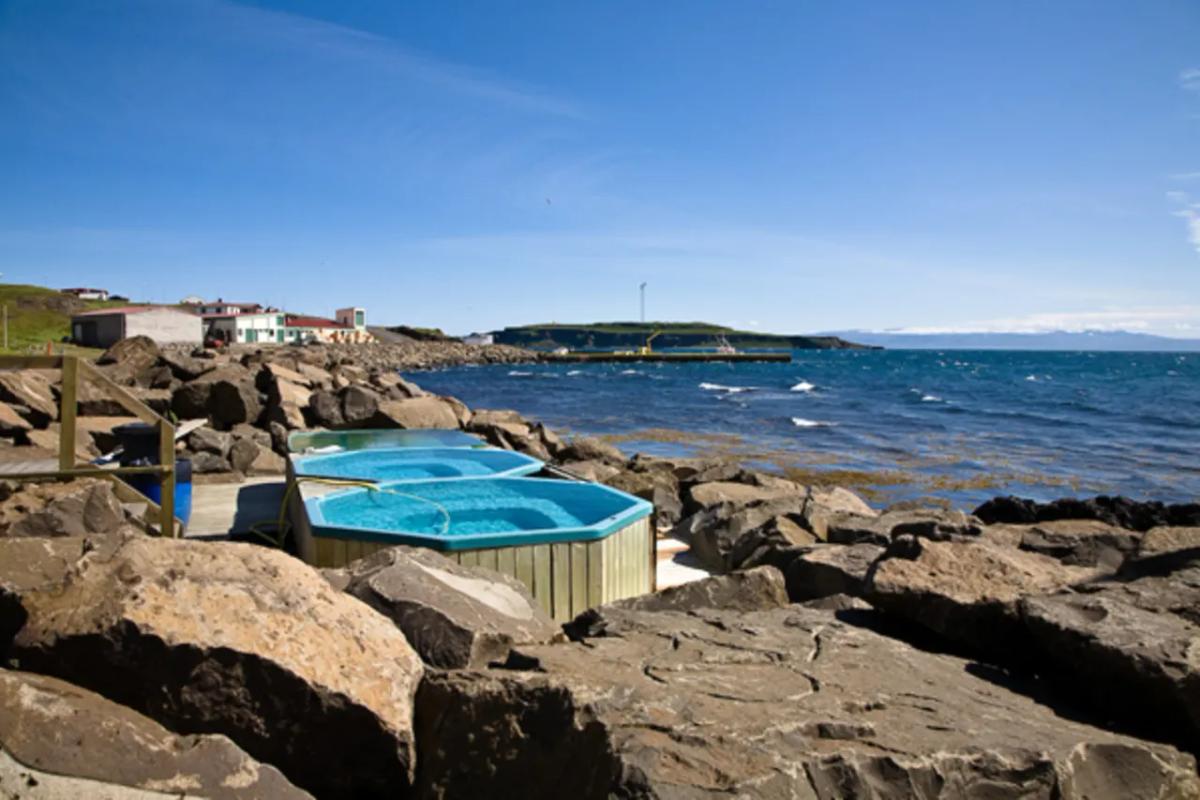
Nestled along a rocky seawall in the charming Westfjords village of Drangsnes, these three inviting hot pots offer a unique seaside geothermal bathing experience. With water around 40°C, visitors can soak while enjoying panoramic views across the fjord towards Grímsey island, often spotting whales and diverse birdlife.
️ Always exercise caution when entering and exiting the hot pots, especially in wet conditions on the rocky surroundings.
For a genuine, unstaffed seaside soak alongside locals, framed by fjord and island views, at no fixed cost.
Story
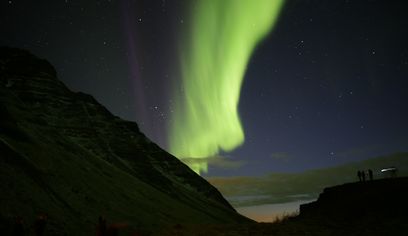
In the small Strandir fishing village of Drangsnes — home to fewer than 100 people — three modest hot tubs sit right on the rocky shoreline, looking out across Steingrímsfjörður toward the small island of Grímsey. There's no spa building, no turnstile, and no staff: just three round tubs, each running at its own temperature from cool to hot, filled with geothermal water piped up from a borehole drilled into the hillside above the village. Locals still use the tubs as a meeting place, and travelers are welcome to join them — a swimsuit and a good pair of grippy sandals are all you need. Changing rooms and showers sit across the road, and on a clear evening the same fjord that draws in whales and seabirds by day can turn into a front-row seat for the Northern Lights in winter.
History
Geothermal water was struck in Drangsnes in 1997 when a borehole was drilled into the hillside above the village. Local residents built the three shoreside tubs shortly afterward, and they've remained in informal, community-maintained use ever since — a modern addition to a village whose surroundings are tied to older Icelandic folklore: local legend holds that a female troll named Drangur, caught by sunrise while trying to cut the Westfjords free from the rest of Iceland, struck the sea in anger and created the offshore island of Grímsey.
Highlights
- ✓Three natural hot pots
- ✓40°C geothermal water
- ✓Stunning fjord and Grímsey views
- ✓Opportunity for whale and bird watching
- ✓Communal and authentic local experience
- ✓Seaside location on a rocky shore
Did You Know?
According to local folklore, the small island of Grímsey visible from the tubs was created when a female troll named Drangur struck the sea with her tool after being caught outdoors by sunrise.
Admission
Free — donation welcomed
Practical Information
Best Time
Open year-round. Summer evenings bring long light and a chance of spotting whales or seabirds in the fjord; winter evenings offer a shot at the Northern Lights. Weekday mornings tend to be quietest.
Duration
30–60 minutes for a soak, longer if combined with a walk around the village.
Getting There
Drangsnes is reached via Road 645, just off Route 61 in the Westfjords' Strandir region — roughly a 2.5–3 hour drive from Ísafjörður, or a longer day's drive from Reykjavík. The three tubs sit directly on the shoreline in the village and are unmissable from the road; there is no gate, ticket office, or set access hours.
Transport
Self-drive is the only practical option; there is no public transport to Drangsnes, and a normal car can manage Road 645 in summer conditions.
Budget
Free — a small donation toward upkeep is welcomed but not required.
Frequently Asked Questions
Is there an entrance fee?+
No. The tubs are free to use; a donation toward upkeep is appreciated but not required, and there's no ticket booth or turnstile.
How do I get there?+
Drangsnes sits on Road 645 off Route 61 in the Westfjords' Strandir area. The tubs are on the shoreline in the middle of the village and are easy to spot from the road; changing rooms and showers are across the street.
Is it safe?+
There's no lifeguard or staff on site, so you're responsible for your own safety — test the water before getting in, move carefully on the rocks (they can be slippery, especially when wet), and remember the tubs sit in a working fishing village where local families live, so swimsuits are expected at all times.
What should I bring?+
A swimsuit, a towel, and shoes with grip for the walk between the tubs and the changing area across the road; warm layers are also useful for afterward, especially outside summer.