
Iceland F-Roads
Complete guide to Iceland's mountain roads — which vehicle you need, how to handle river crossings, when roads open and all major routes.
What Are F-Roads?
F-roads (fjallvegir — "mountain roads") are Iceland's unsurfaced highland routes through the interior. They are only open during summer, typically from late June to September, depending on snowmelt and weather conditions.
All roads beginning with the letter F require a 4-wheel-drive vehicle by law. Driving an F-road in a standard 2WD car is illegal and invalidates your rental insurance — you will be held personally liable for any damage, which can easily exceed 1,000,000 ISK (€7,000+).
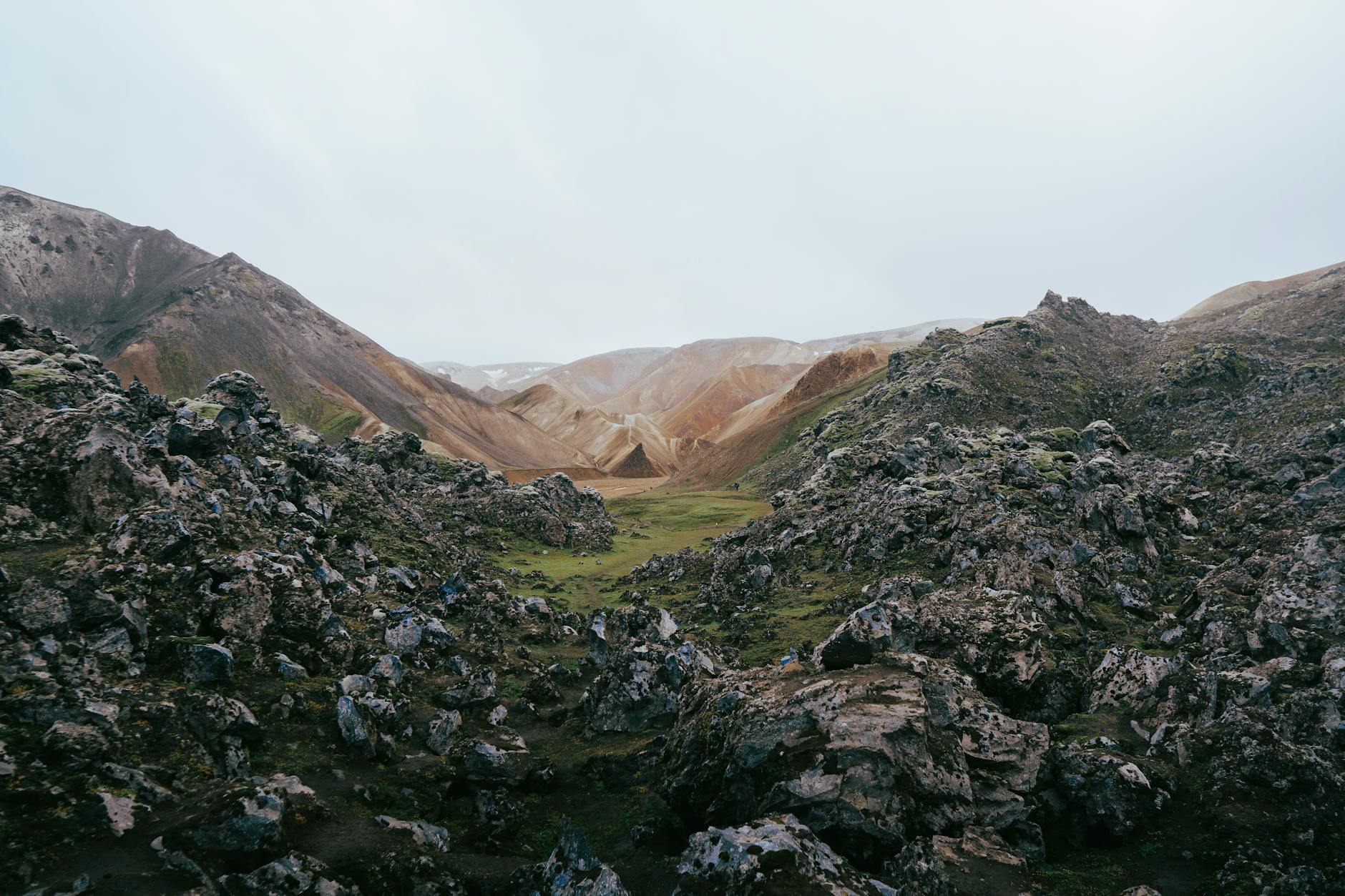
F-roads can include deep river crossings without bridges, steep descents, loose gravel, potholes and sudden weather changes. The reward? Access to Iceland's most extraordinary landscapes — rhyolite mountains, volcanic calderas and geothermal fields found nowhere else on Earth.
Before you drive any F-road
- ⚠Check road status at road.is on the day of travel — roads can close overnight
- ⚠Register your route at safetravel.is so rescue teams know your plan
- ⚠Check the weather forecast at vedur.is — do not enter in orange or red warnings
- ⚠Ensure your vehicle is a 4WD — check your rental agreement covers F-roads
- ⚠Carry enough fuel — there are no petrol stations in the Highlands
All Major F-Roads
Click any route for full details.
| Road | Destination | Difficulty | River Crossings | Opens | Length |
|---|---|---|---|---|---|
| F35 | Kjölur Route | Easy | No major crossings | Early June | ~170 km |
| F208 (North) | Landmannalaugar — North approach | Moderate | Minor crossings | Mid-June | ~50 km |
| F208 (South) | Landmannalaugar — South approach | Difficult | Yes — multiple, can be deep | Late June – July | ~40 km from Hella |
| F88 | Askja Route | Difficult | Yes — Lindaá and others | Late June – July | ~100 km from Mývatn |
| F26 | Sprengisandur | Challenging | Yes | July | ~200 km |
| F225 | Landmannaleið | Moderate | Yes — Tungnaá | Late June | ~80 km |
| F249 | Þórsmörk Route | Difficult | Yes — multiple glacial rivers | Late June | ~25 km from Ring Road |
Kjölur Route
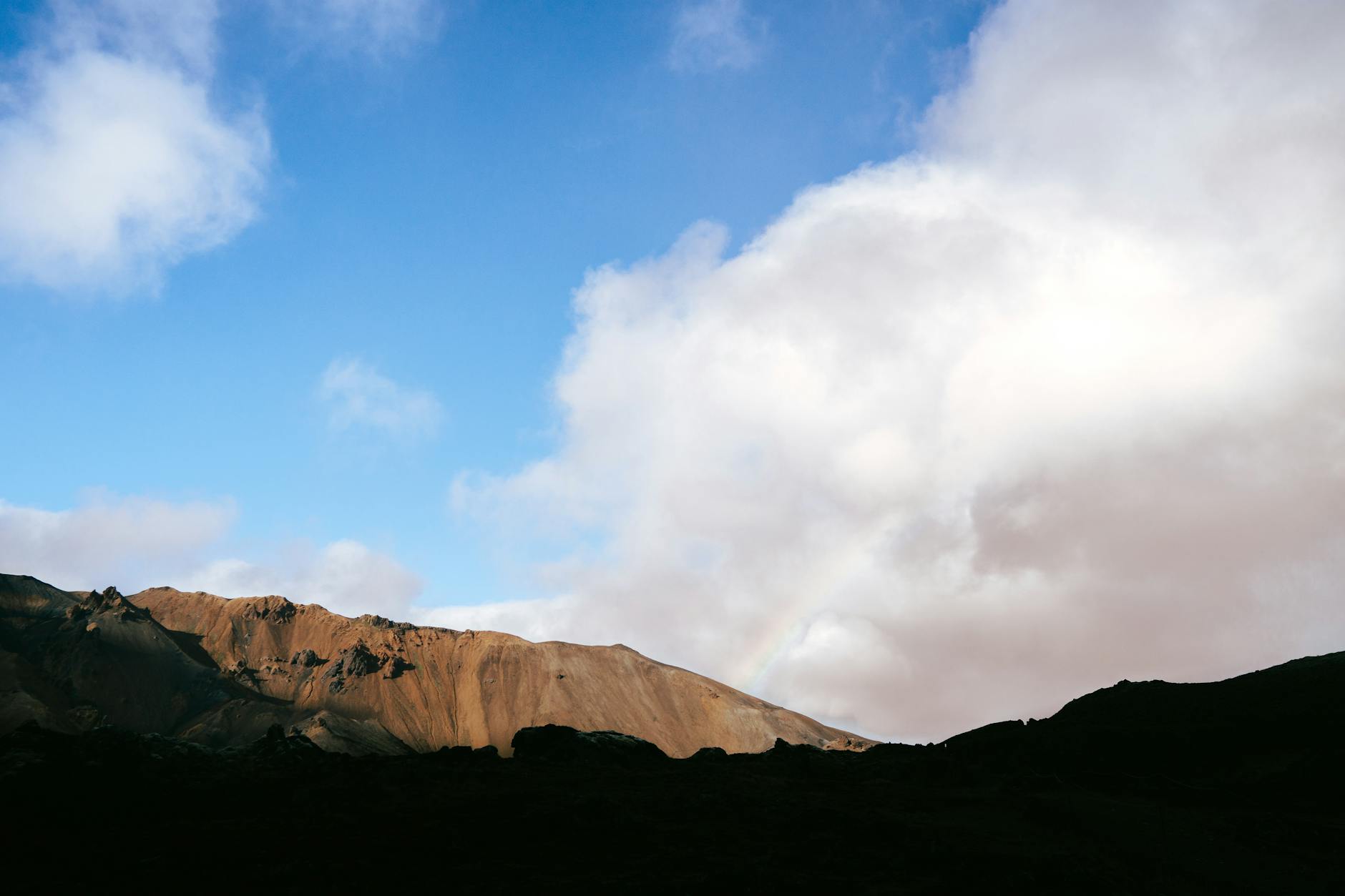
EasyThe most accessible highland route, running between Gullfoss and Blönduós past Hveravellir geothermal area. No major river fords. Best for first-time highland drivers.
Landmannalaugar — North approach
ModerateNorthern access to Landmannalaugar from the Sprengisandur direction. Fewer river crossings than the southern approach.
Landmannalaugar — South approach
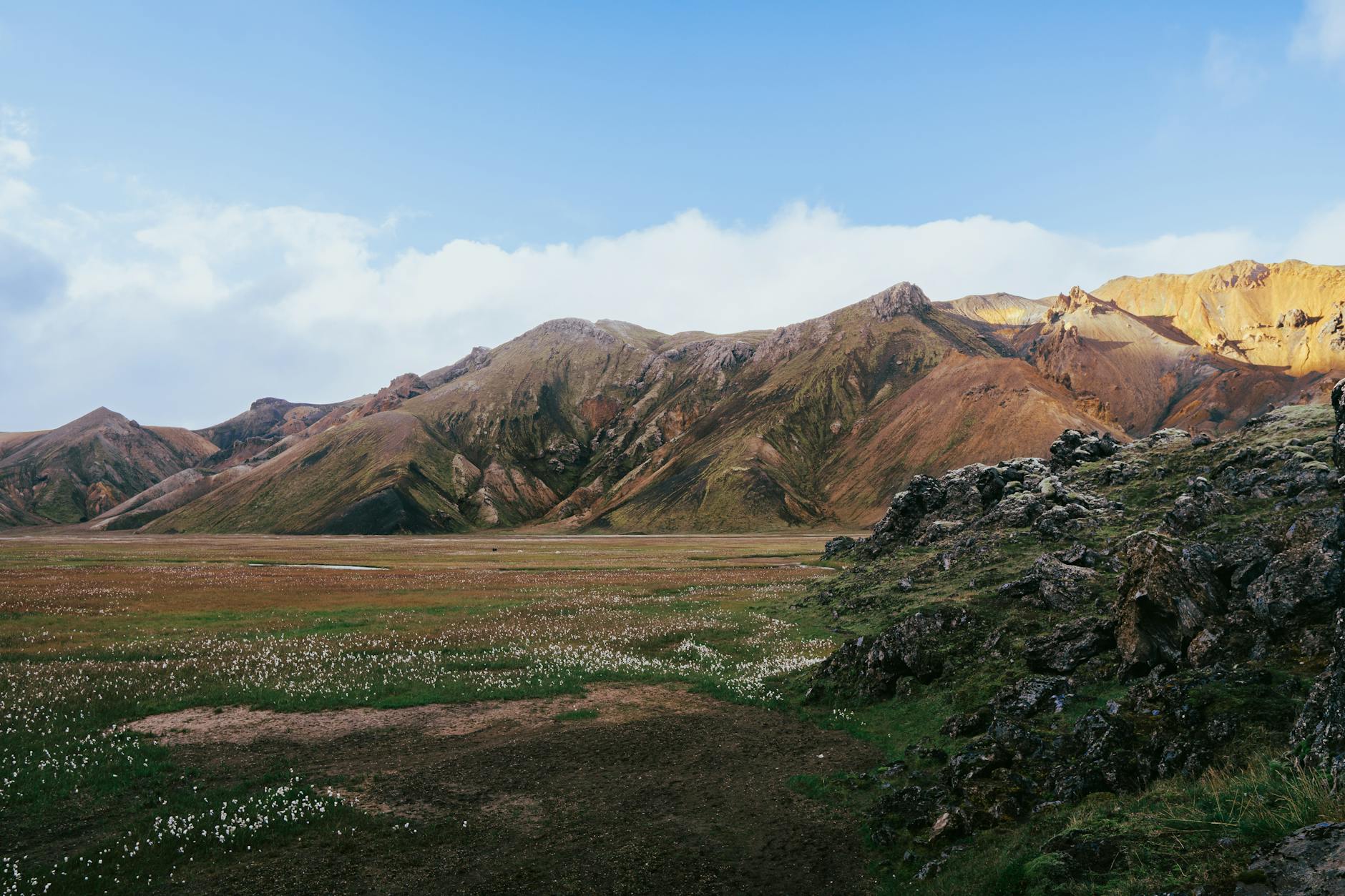
DifficultMost popular access route to Landmannalaugar from the south. Includes the Krossá river and several other fords that can be challenging after rain.
Askja Route
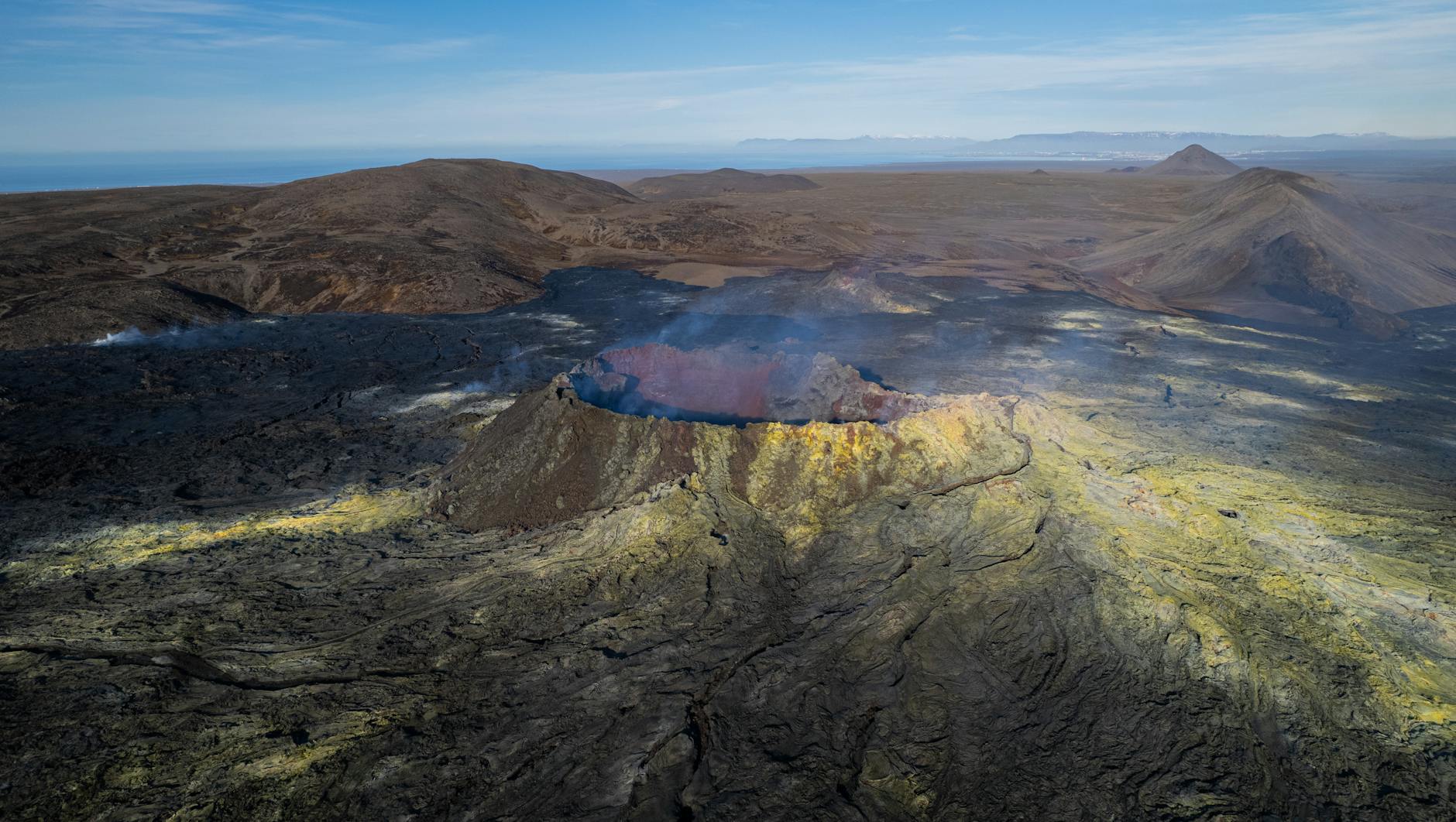
DifficultRemote volcanic route to Askja caldera from Mývatn. Includes the famous Lindaá river crossing which can be waist-deep in meltwater season. One of Iceland's most demanding drives.
Sprengisandur
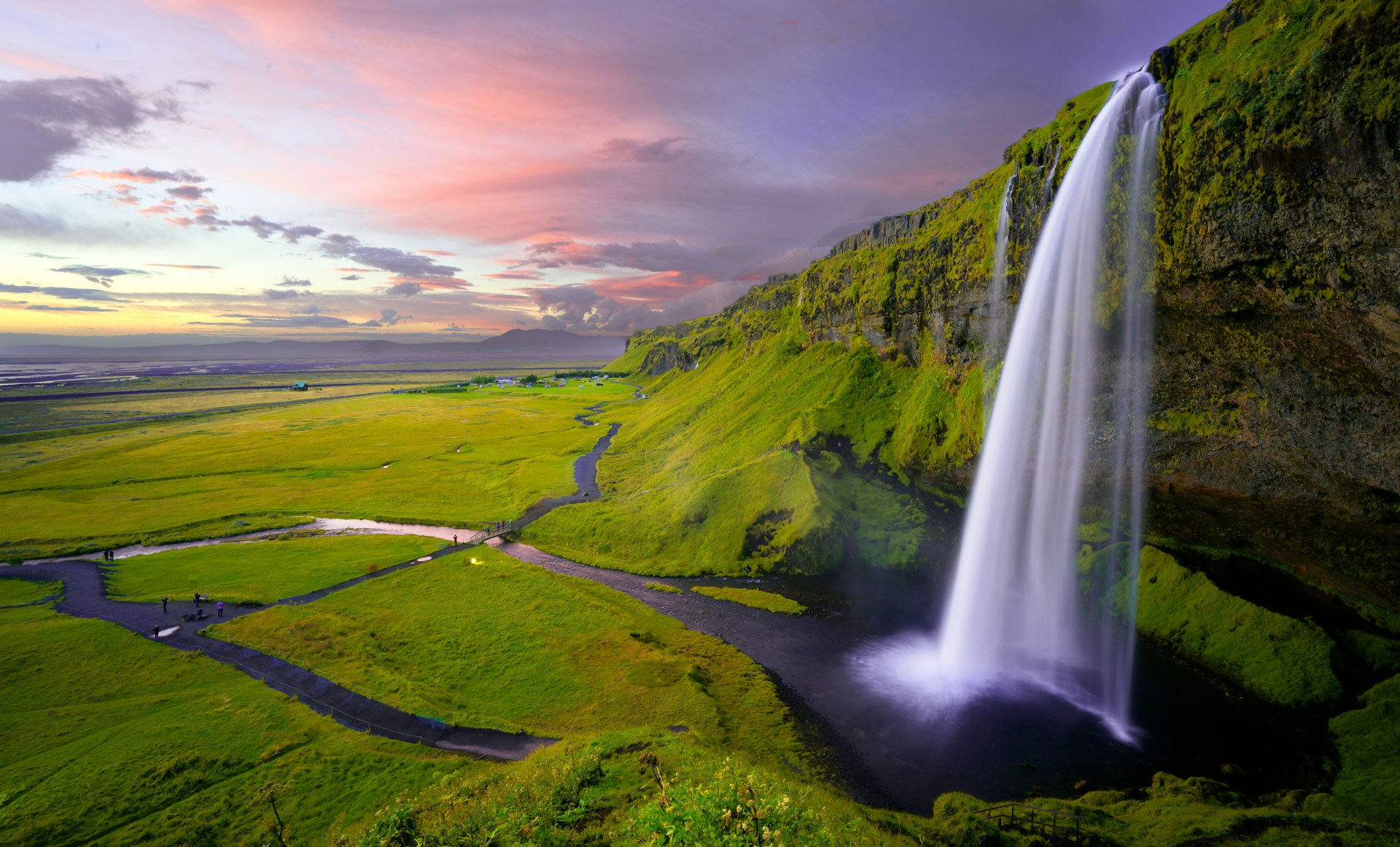
ChallengingIceland's great north-south highland crossing over a bleak lava desert between the Vatnajökull and Hofsjökull glaciers. No services at all. Fuel and supplies must be carried.
Landmannaleið
ModerateAlternative access to Landmannalaugar from the west, crossing the Tungnaá glacier river. More scenic than F208 south but equally challenging.
Þórsmörk Route
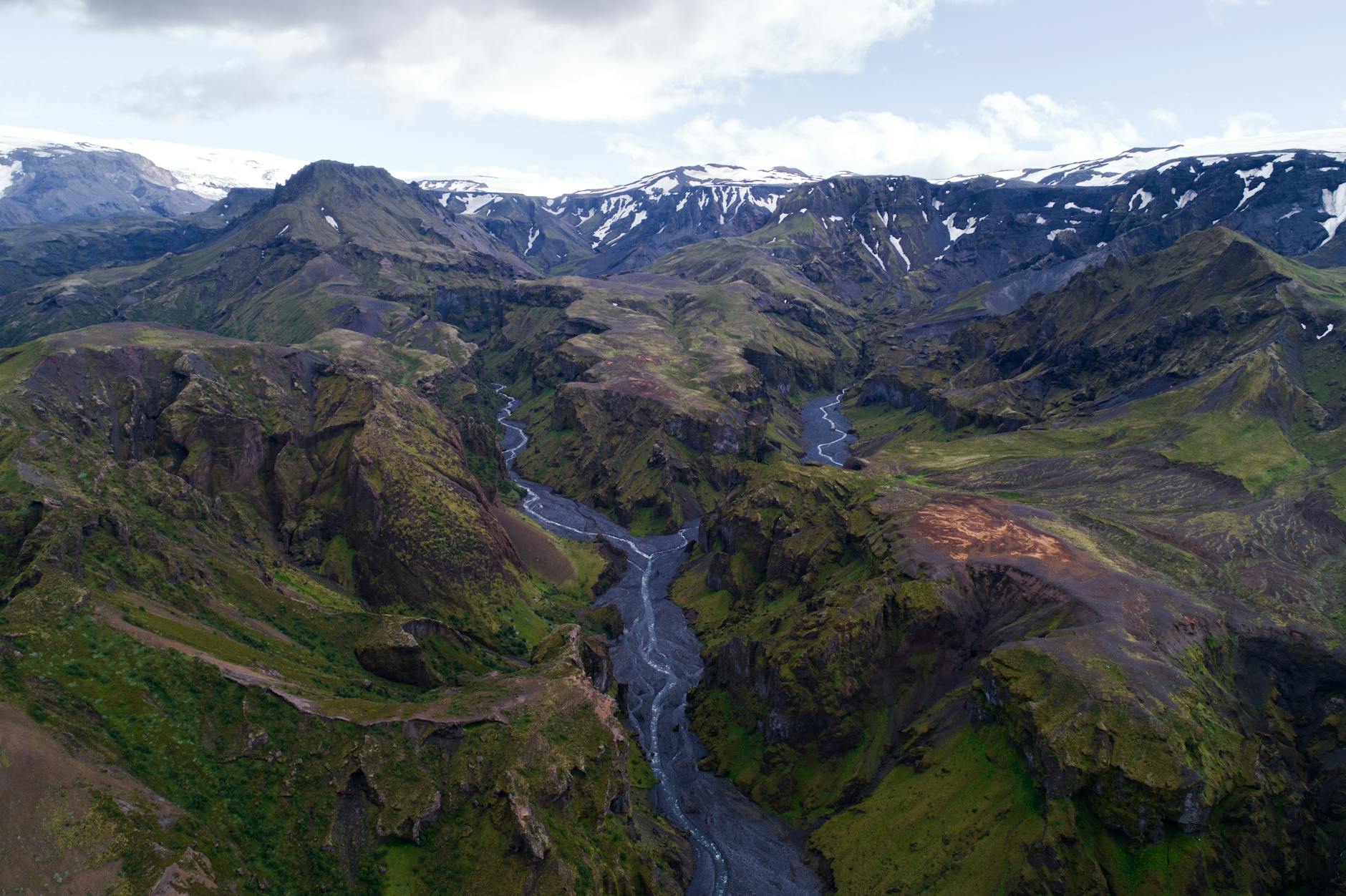
DifficultShort but demanding route to Þórsmörk valley. The last 10 km involve multiple glacial river crossings that can be extremely hazardous. Highland buses are recommended.
Can I Drive This Road?
The most common question about F-roads. Here's a straightforward breakdown by vehicle type.
Toyota Yaris / small car
2WD city car✗ NoNot permitted on any F-road. Insurance void. Rental companies will charge full cost of any damage.
Toyota RAV4 / Dacia Duster
Small 4×4 SUV⚠ DependsFine for F35 Kjölur and F208 north. Can struggle on deeper river crossings (F88, F249). Check ground clearance and rental agreement.
Toyota Land Cruiser / Ford Ranger
Large 4×4 / high clearance✓ YesSuitable for all F-roads including F88 and F249. Ideal for river crossings. Most common rental for highland travel.
Suzuki Jimny
Small 4×4⚠ DependsHigh clearance and capable off-road. Good for most F-roads but small — not for very deep rivers. Very popular rental.
Standard campervan
2WD campervan✗ NoNot permitted on F-roads. Standard campervans are 2WD and have no ground clearance. Must stay on paved roads.
4×4 campervan
4WD campervan⚠ DependsPermitted on most F-roads but check your rental agreement — many prohibit river crossings. Long wheelbase limits access to F249 and F88.
River Crossing Guide
River crossings (ár) are the most dangerous part of F-road driving. Water depth and current can change within hours — glacial melt peaks in the afternoon.
.jpg)
.jpg)
Stop and walk the crossing first
Never drive in without checking on foot. Wade across to feel depth, current and the bottom surface. If it's above your knee, it may be too deep for your vehicle.
Cross at the widest point
Water spreads out at the widest section, making it shallower and the current weaker. Avoid narrow channels where water runs fast and deep.
Wait for the right time of day
Glacial rivers rise in the afternoon as melt increases with daytime heat. Cross in the morning when levels are at their lowest.
Use low gear, maintain steady speed
Select 4WD low range. Enter at an angle upstream. Keep a constant speed — never accelerate suddenly or you may stall with water in the engine.
If you stall: do not restart immediately
If the engine stalls in water, do not try to restart — you risk hydrolocking the engine. Wait for rescue. Stay in the vehicle if there is a current risk.
If in doubt, turn around
There is no route in Iceland that is worth risking your life for. Recovery costs 200,000–500,000 ISK minimum. Turn around and try again later or choose an alternative route.
Insurance warning
Almost all rental car agreements in Iceland explicitly exclude river crossings from all insurance levels — including the most expensive CDW/SCDW packages. If your vehicle is damaged or swept away in a river, you are fully liable. Recovery alone costs 200,000–500,000 ISK; vehicle damage can be 1,000,000 ISK or more.
F-Road Opening Dates
Typical opening dates — these vary by 2–4 weeks each year depending on winter snowfall. Always verify at road.is before departure.
Source: Vegagerðin (Icelandic Road Administration) — road.is
| Road | Typical Opening | Notes |
|---|---|---|
| F35 Kjölur | Early June | Most reliable opening. Often first highland road to open. |
| F208 (North) | Mid-June | Depends on snow melt. Check road.is before departure. |
| F208 (South) | Late June – July | River levels highest in June. July safer for crossings. |
| F225 | Late June | Tungnaá river level depends on glacier melt. |
| F88 Askja | Late June – July | One of the last to open. Verify on road.is. |
| F249 Þórsmörk | Late June | Rivers can be dangerous even after opening — buses recommended. |
| F26 Sprengisandur | July | Last major road to open. Can close again in bad weather. |
Where Do F-Roads Lead?
F-roads aren't an end in themselves — they are the only way to reach some of Iceland's most extraordinary places.
Landmannalaugar
F208 / F225Colourful rhyolite mountains and natural hot spring. Start of the Laugavegur trail.
Þórsmörk
F249Glacier valley ringed by rivers. End point of the Laugavegur trail.
Askja
F88Remote volcanic caldera with a warm crater lake for bathing.
Kerlingarfjöll
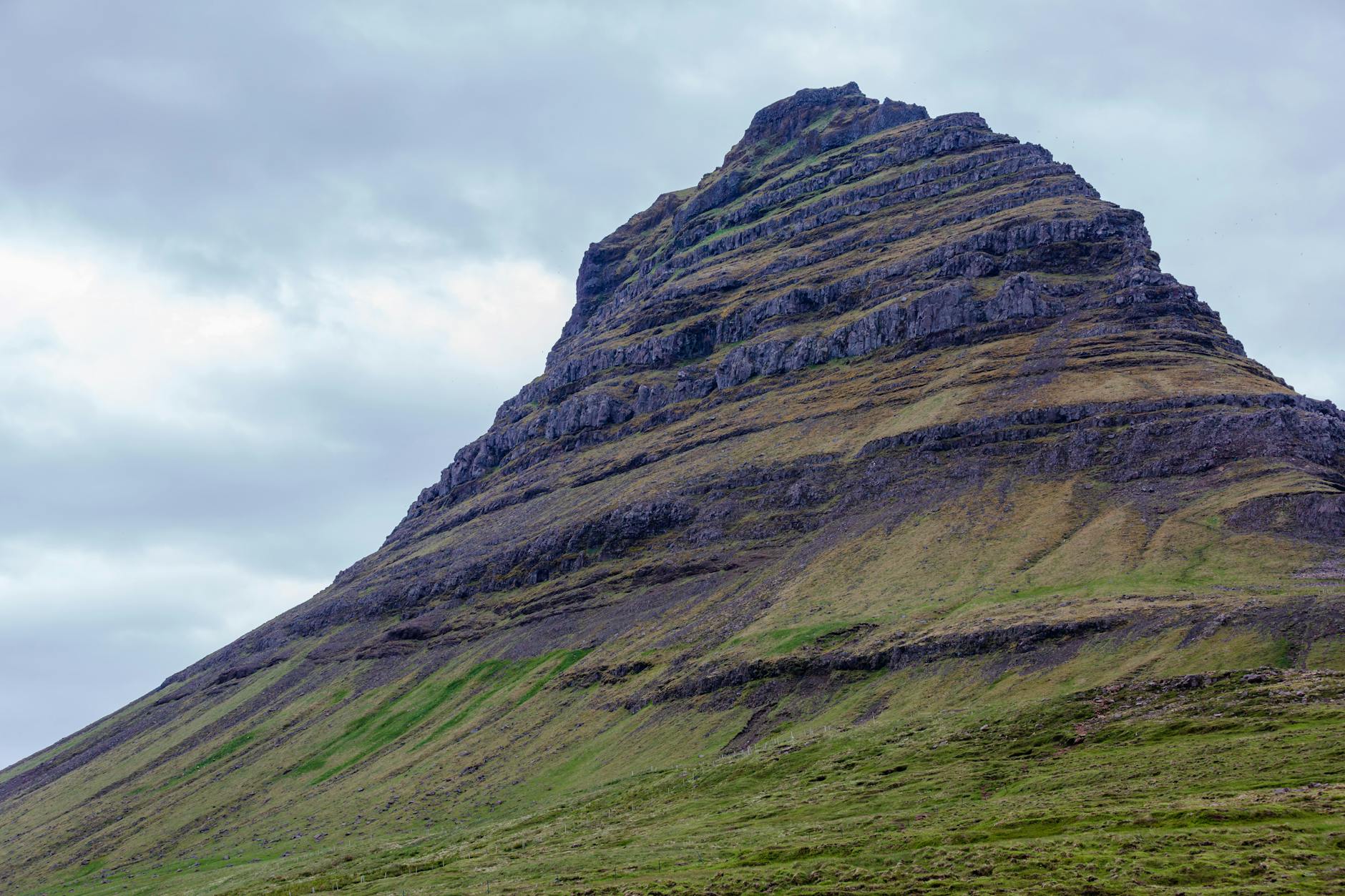
F35 (Kjölur)Dramatic mountain range with geothermal fields. Accessible via the easiest highland route.
Hveravellir
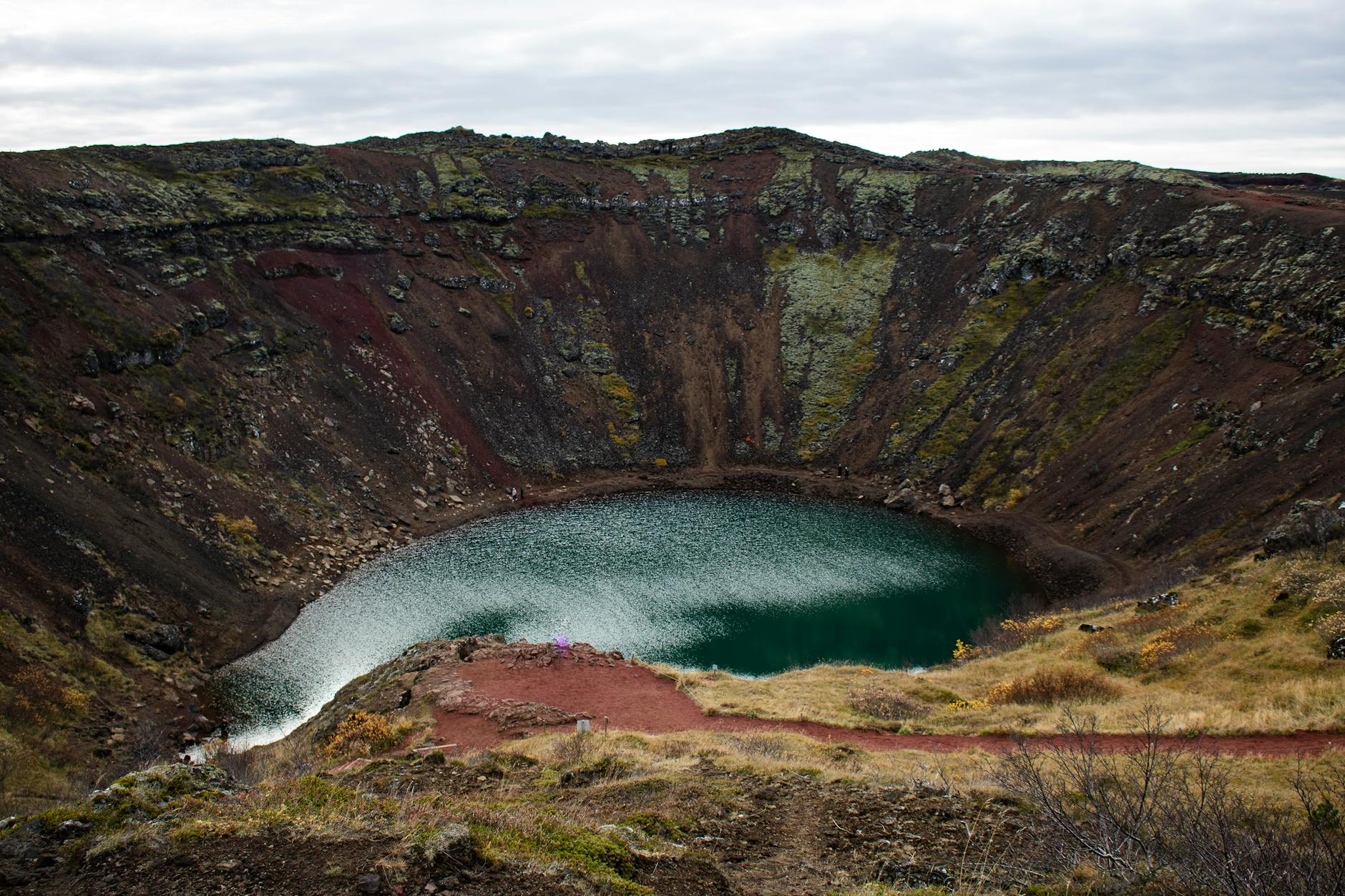
F35Geothermal hot spring in the centre of the highlands. Natural bathing pool.
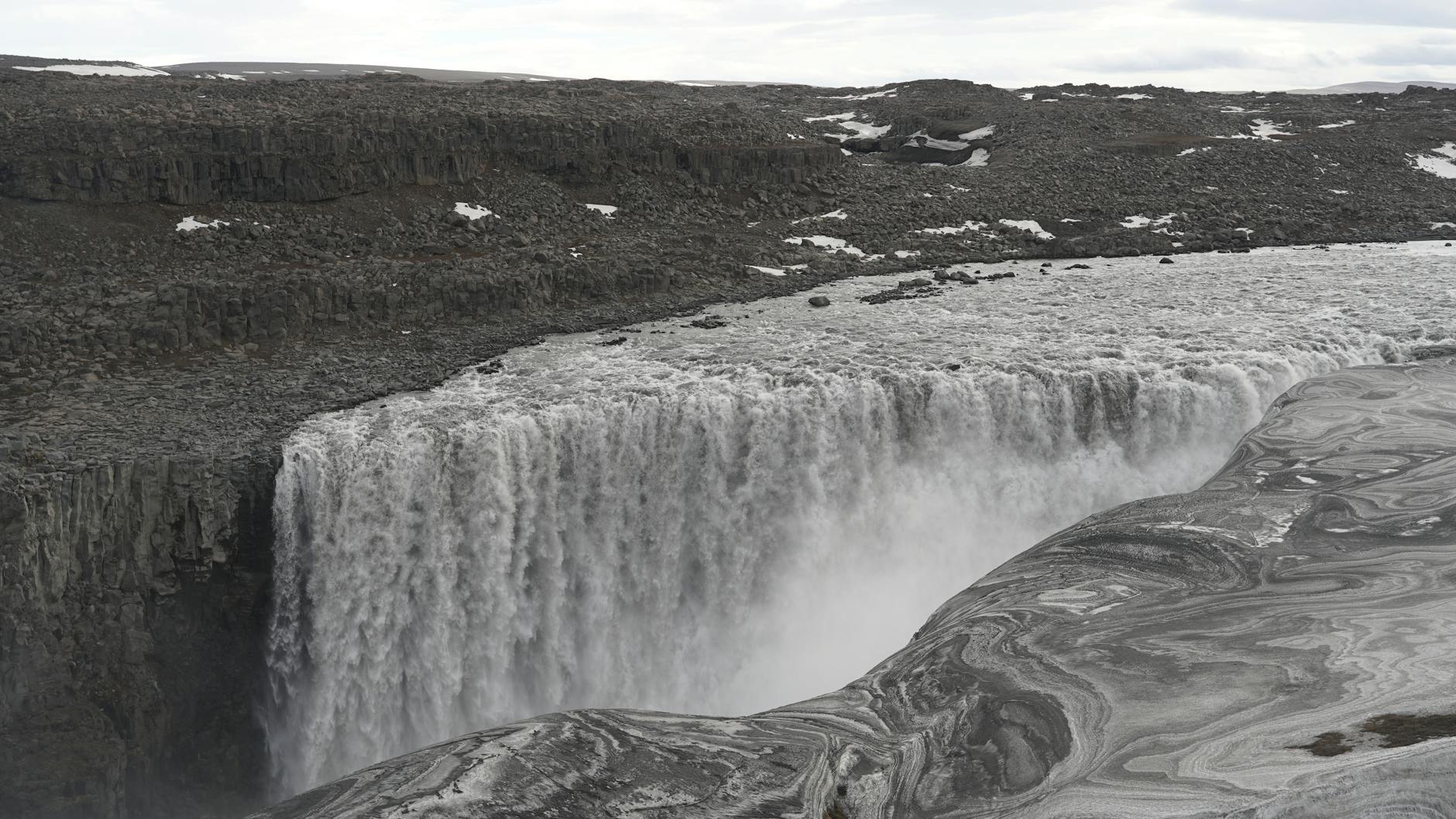
Sprengisandur
F26Iceland's great lava desert — a 200 km crossing between two glaciers. No services.
Frequently Asked Questions
Everything travellers ask about F-roads — answered honestly.
Are F-roads dangerous?+
They can be. F-roads are unsurfaced mountain roads with no guardrails, steep drops and river crossings. Every year dozens of vehicles get damaged or stranded. With the right vehicle, preparation and respect for conditions, they are manageable — but never take them lightly.
Do rental cars cover F-road driving?+
Most rental companies permit 4×4 vehicles on F-roads but exclude river crossings from their insurance. If your vehicle is damaged in a river crossing, you are typically liable for the full cost (often 500,000–1,500,000 ISK). Always read the rental agreement carefully and consider purchasing extra protection.
What is the easiest F-road in Iceland?+
F35 Kjölur is widely considered the easiest major highland route. It runs north-south through the interior with no major river crossings, is usually the first to open (early June) and is suitable for most competent 4×4 drivers.
Can I drive F-roads in September?+
Some F-roads remain open in September, but conditions deteriorate and closures can happen with little warning. F35 typically stays open until mid-September. F88 and F26 may close earlier. Always check road.is on the day of travel. First snowfall can close roads overnight.
Do I need a 4x4 for all F-roads?+
Yes. By Icelandic law, all roads beginning with 'F' require a 4-wheel-drive vehicle. Driving on F-roads in a 2WD vehicle invalidates your insurance and violates road law. Even if conditions look fine, you will not be covered for any damage.
Can campervans drive F-roads?+
Only 4×4 campervans are permitted, and even then most rental companies restrict them from river crossings. Standard 2WD campervans cannot legally enter F-roads. For highland camping, consider parking a 4×4 and using highland buses for Þórsmörk and Landmannalaugar.
Are river crossings covered by insurance?+
Usually not. Most rental agreements explicitly exclude river crossings from all insurance cover — including the most expensive Super CDW packages. If your vehicle is swept away or flooded, you pay. The only exception is some specialist expedition rental companies.
When do F-roads open?+
F35 Kjölur typically opens in early June. Most other major routes open late June to July depending on snowmelt. F88 (Askja) and F26 (Sprengisandur) are often last, opening in July. Dates vary significantly year to year — always check road.is before travel.
Official Sources
Continue Exploring
🌌 See the Northern Lights
Track real-time aurora activity and plan your Northern Lights trip with AuroraVision.
Find Hotels in Iceland
From cozy Reykjavík guesthouses to remote Highland lodges — thousands of properties with free cancellation and best price guarantee.
Tours & Experiences
Book Activities in Iceland
Tours & Activities
Book top-rated Iceland tours, day trips, and experiences — Northern Lights, glacier hikes, whale watching and more.
Browse Activities →Guided Iceland Tours
Golden Circle, South Coast, ice caves, volcano hikes — 1,000+ guided tours with free cancellation on most bookings.
Browse Tours →Guided Experiences
Tours & Day Trips in Iceland
Golden Circle, Northern Lights hunts, whale watching, glacier hikes, lava cave tours and more. Book with free cancellation — confirmed instantly.