
Casa Noruega
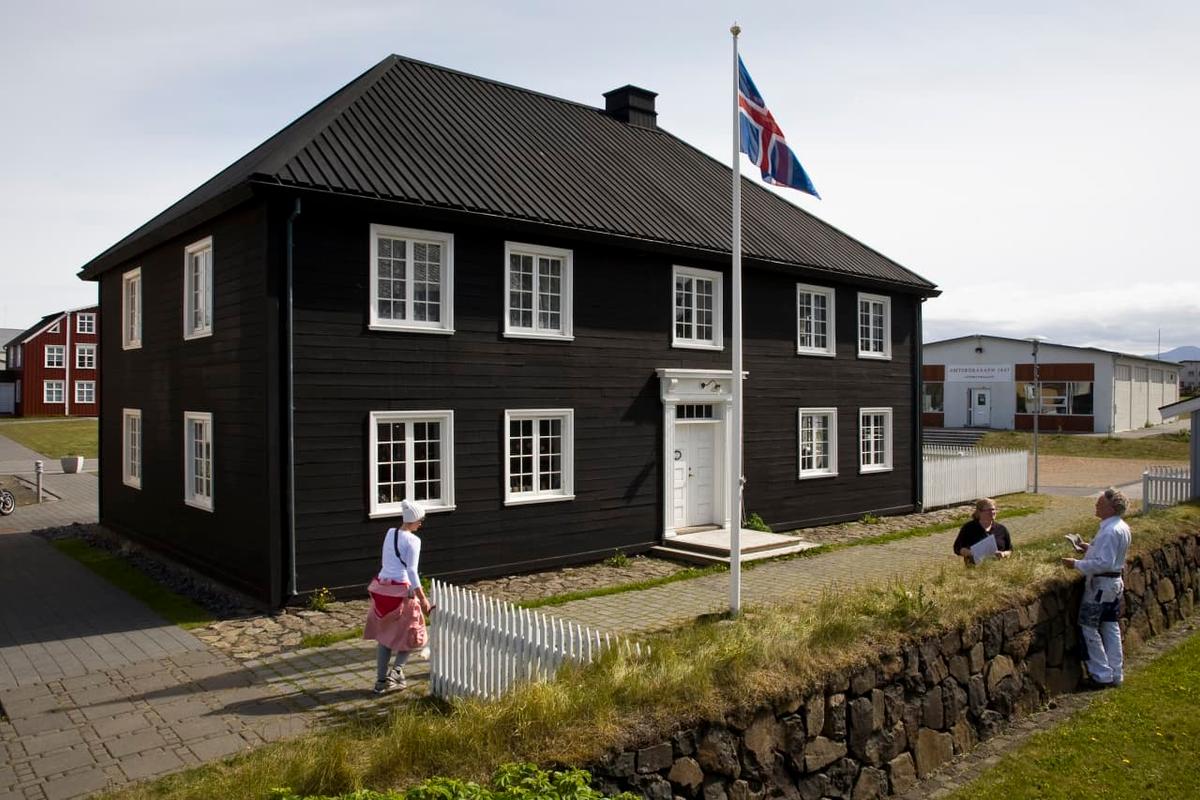
Descubra la herencia islandesa en la Casa Noruega, un distintivo edificio de madera negra con ventanas de marco blanco. Este encantador museo ofrece una visión …
De un vistazo
Tiempo de visita
1–2 hours
Mejor temporada
Late morning to early afternoon, during summer months.
Cómo llegar
Paved road, easily accessible by car. Parking likely available nearby.
GPS
65.0772, -22.7269
Acerca de
Sobre Casa Noruega
Descubra la herencia islandesa en la Casa Noruega, un distintivo edificio de madera negra con ventanas de marco blanco. Este encantador museo ofrece una visión del rico pasado cultural de la isla, enmarcado por el sereno telón de fondo de los fiordos occidentales.
Step inside one of Stykkishólmur's landmark historic buildings and learn about the people and everyday life of Snæfellsnes and Breiðafjörður.
Tours cerca de Casa Noruega

Buggy tours around Snæfellsjökull. 2 hour tour
Glacier Paradise · 2 hours 30 minutes

Buggy tours around Snæfellsjökull. 1 hour tour
Glacier Paradise · 1 hour
Into The Glacier - With Snowmobiling From Klaki Base Camp
Arctic Adventures · 2 hours 30 minutes
Private Farm Visit & Silver Circle Day Tour in West Iceland
Rest in the West · 12 hours
Fotos
Galería
Antecedentes
Historia y Antecedentes
El edificio conocido como la Casa Noruega, a pesar de su nombre, es un ejemplo significativo de la arquitectura tradicional islandesa, a menudo influenciada por las técnicas y materiales de construcción escandinavos. Construido en el siglo XIX, su robusta estructura de madera y su exterior oscuro y protector hablan de los desafíos y la ingeniosidad de la construcción en un clima nórdico duro. Históricamente, tales estructuras eran vitales para la vivienda y la vida comunitaria en Islandia. Esta casa en particular ha sido cuidadosamente conservada y reutilizada como museo, convirtiéndose en un guardián del patrimonio local. Sirve para ilustrar la vida cotidiana, las actividades económicas y el desarrollo cultural de la región, enfatizando la importancia de la industria pesquera y la resiliencia del pueblo islandés a lo largo de los siglos. Su transformación en museo asegura que las historias y tradiciones encarnadas en sus paredes continúen siendo compartidas con las futuras generaciones.
La Casa Noruega, un icónico edificio de madera negra de dos pisos con sus brillantes ventanas blancas, se erige como un faro de preservación cultural en los pintorescos fiordos occidentales de Islandia. Este distinguido museo ofrece una valiosa visión de la cultura, historia y patrimonio islandeses, lo que lo convierte en una parada esencial para los visitantes que exploran esta remota y hermosa región. Al acercarse, observe la arquitectura clásica, un testimonio de las tradiciones de construcción islandesas del siglo XIX, a menudo influenciadas por los estilos escandinavos. En el interior, las exhibiciones relatan meticulosamente varias facetas de la vida islandesa, desde las rutinas diarias de las generaciones pasadas hasta el papel fundamental de la industria pesquera y el desarrollo de las comunidades locales. La colección del museo proporciona un vínculo tangible con el pasado, mostrando artefactos, herramientas e historias que pintan una imagen vívida de resiliencia e ingenio. Una visita aquí no solo enriquece su comprensión del viaje único de Islandia, sino que también destaca el papel crucial que desempeñan los museos en mantener vivas las tradiciones. Permítase tiempo suficiente para pasear por las habitaciones, absorber las narrativas y quizás incluso imaginar la vida dentro de estas mismas paredes hace siglos. No olvide admirar el entorno sereno, con la bandera islandesa ondeando orgullosamente en el exterior, lo que contribuye a la atmósfera auténtica.
Folclore
Historia y Folclore
La Casa Noruega, con su imponente fachada de madera oscura y sus nítidas ventanas blancas, se alza orgullosa en los fiordos occidentales, siendo más que un simple museo; es un testimonio vivo del espíritu perdurable de Islandia. Mientras la bandera islandesa ondea suavemente en el exterior, los visitantes son invitados a entrar para explorar una parte del rico patrimonio cultural e histórico de la nación. Este edificio bellamente conservado, con su distintivo exterior negro, lo transporta al pasado, ofreciendo una conexión tangible con las vidas y tradiciones de quienes forjaron esta tierra. Desde las sagas de la Era Vikinga hasta la vital industria pesquera que sostuvo a las comunidades costeras durante siglos, las exhibiciones aquí iluminan la historia más amplia de Islandia y su gente notable, asegurando que estas tradiciones permanezcan vibrantes para las generaciones venideras.
¿Sabías que?
The building is known as Norska húsið — the Norwegian House — because it was constructed from imported Norwegian timber.
Cultura
Historias y Leyendas
Sagas islandesas y folclore de esta área
Helgafell
Helgafell: A sacred mountain where ancient pacts were sealed.
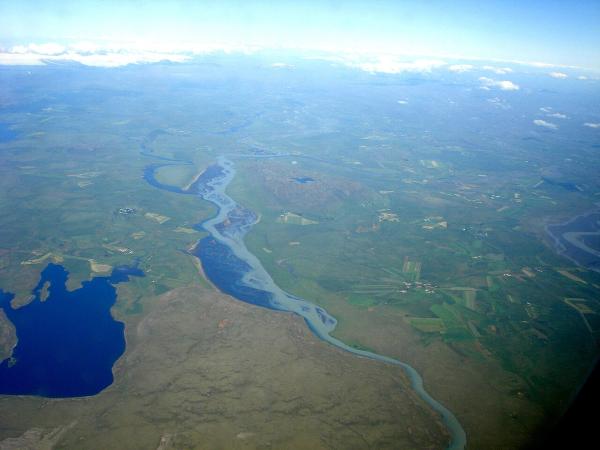
Hestlækur (nú Slauka)
Hestlækur (nú Slauka) is a historic location in Iceland mentioned in "Njáls saga", one of the ancient Íslendingasögur (Sagas of Icelanders). These medieval narratives preserve the history of Iceland's Viking Age settlement.
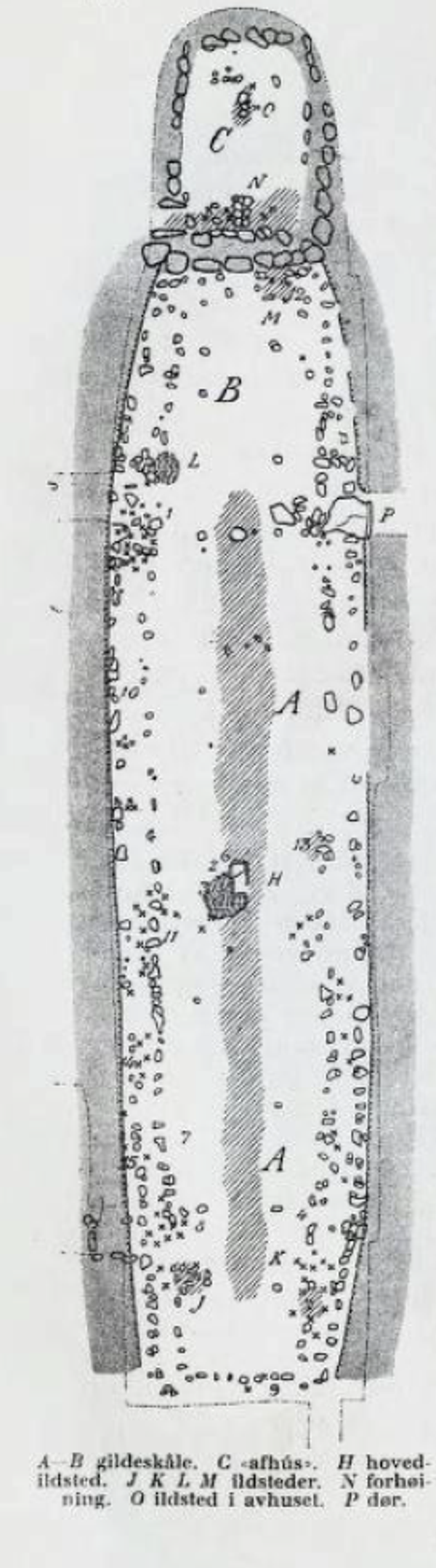
Hofstaðir
Hofstaðir is a historic location in Iceland mentioned in "Eyrbyggja saga", one of the ancient Íslendingasögur (Sagas of Icelanders). These medieval narratives preserve the history of Iceland's Viking Age settlement.
Rauðhafnarhöfði
Rauðhafnarhöfði is a historic location in Iceland mentioned in "Eyrbyggja saga", one of the ancient Íslendingasögur (Sagas of Icelanders). These medieval narratives preserve the history of Iceland's Viking Age settlement.
Explorar
Joyas ocultas cercanas
The Ornate Front Door
Admire the beautifully crafted white front door and its decorative frame, a subtle detail showcasing 19th-century craftsmanship. It's a fine example of the period's architectural embellishments.
It highlights the intricate details of historical Icelandic design.
The View from the Flagpole
Stand by the Icelandic flagpole to appreciate the museum's setting, offering a panoramic view of the surrounding townscape and distant mountains. It provides a great photo opportunity.
It offers a unique perspective of the museum within its scenic environment.
Nearby Red House
Notice the charming red wooden house in the background, contrasting with the black museum. It offers a glimpse into other traditional Icelandic building styles prevalent in the area.
It provides a visual comparison of different historical Icelandic architectural forms.
Ayuda
Preguntas frecuentes
Ubicación
Ubicación
Discover
Explore Nearby
Places from our database within 5.0 km — all data from Sanity
Loading nearby places…
0 places found within 5.0 km
Plan full itinerary →Explorar más