
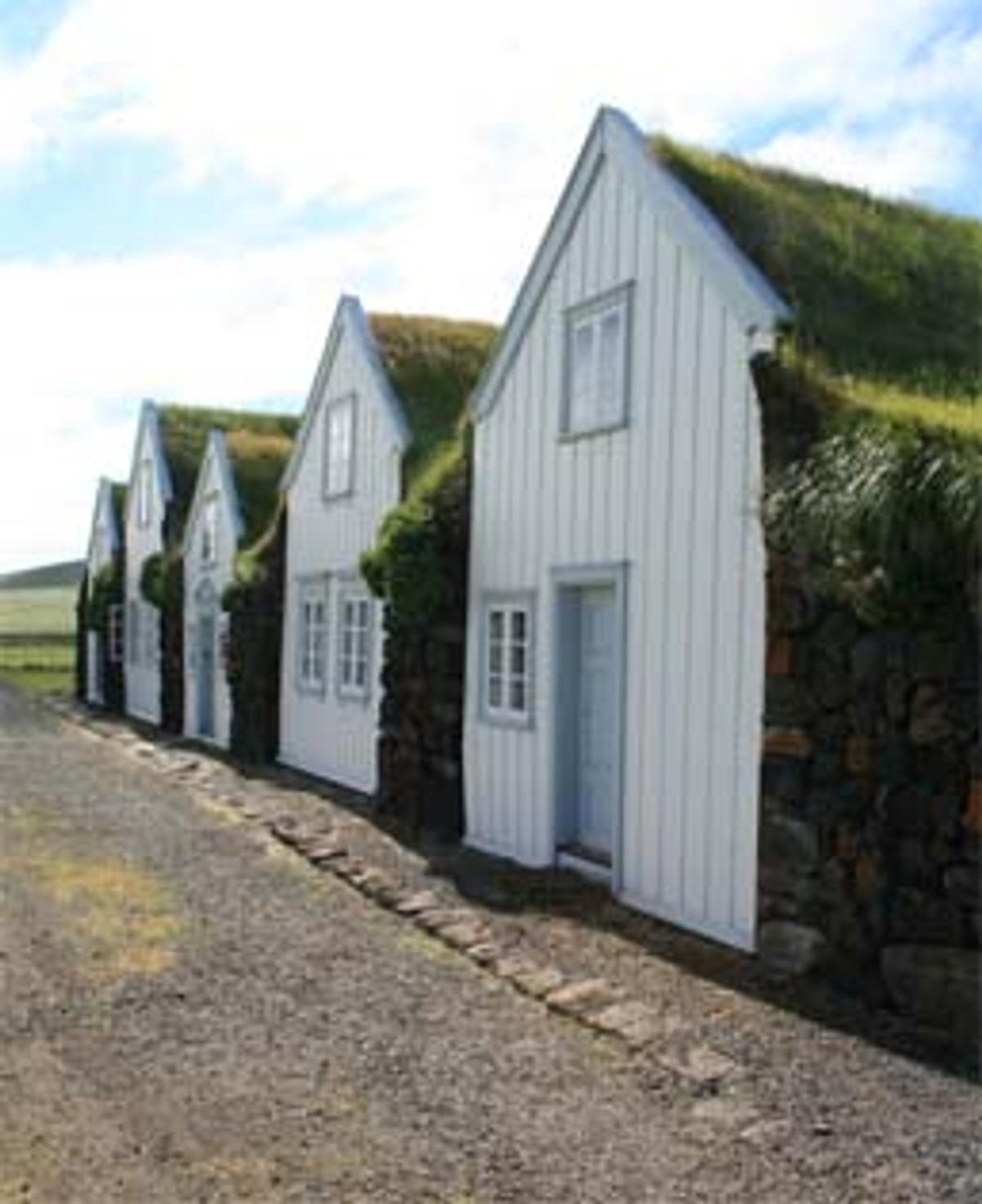
Grenjaðarstaður en Aðaldalur
Descubre el encanto de las casas tradicionales de turba islandesas en Grenjaðarstaður, un museo al aire libre en el norte de Islandia. Estos edificios bellament…
De un vistazo
Tiempo de visita
1-2 hours
Mejor temporada
Late Morning to Afternoon, Summer
Cómo llegar
Accessible via a paved road (Route 85/845) with a short gravel driveway to the parking area. Suitable for all vehicle types.
GPS
65.8207, -17.3503
Acerca de
Sobre Grenjaðarstaður en Aðaldalur
Descubre el encanto de las casas tradicionales de turba islandesas en Grenjaðarstaður, un museo al aire libre en el norte de Islandia. Estos edificios bellamente conservados, con sus distintivos techos de hierba y gabletes de madera blanca, ofrecen una visión cautivadora del patrimonio rural y la ingeniosidad de la nación. Pasea por una hilera de estas viviendas únicas, experimentando una conexión tangible con el pasado.
Experience Iceland's unique architectural past and cultural resilience firsthand amidst stunning northern landscapes.
Tours cerca de Grenjaðarstaður en Aðaldalur
Lake Myvatn and Godafoss Waterfall Day Tour from Akureyri
Imagine Iceland Travel · 8 hours

Northern Lights Photography tour from Akureyri
Iceland Horizon - Saga Travel - GeoIceland · 3 hours
Dettifoss Waterfall, Ásbyrgi and Lake Mývatn - Shore Excursion from Húsavík
BusTravel Iceland · 5 hours 30 minutes
Akureyri Northern Light Tour
The Traveling Viking · 2 hours 30 minutes
Fotos
Galería
Antecedentes
Historia y Antecedentes
Grenjaðarstaður cuenta con una larga e importante historia, que se remonta a la era de la colonización de Islandia. Durante siglos, sirvió como una de las granjas y sitios eclesiásticos más importantes del norte de Islandia, actuando como un centro espiritual y administrativo para la región de Aðaldalur. Se cree que la primera iglesia aquí fue construida poco después de la adopción del cristianismo en Islandia alrededor del año 1000 d.C., un testimonio de su perdurable importancia religiosa. A lo largo de las generaciones, Grenjaðarstaður evolucionó hasta convertirse en la residencia de un prominente caudillo, un centro donde convergían el poder local, la cultura y la vida comunitaria. Los edificios de la granja, como muchos en Islandia, fueron construidos utilizando el método tradicional de casas de turba, que ingeniosamente utilizaba materiales locales —piedra, madera y turba— para crear hogares aislados y duraderos capaces de soportar el duro clima islandés. El actual sitio del museo conserva varios ejemplos de estas fascinantes estructuras, mostrando la evolución de la arquitectura de turba islandesa y las condiciones de vida. Hoy en día, Grenjaðarstaður funciona como un museo folclórico al aire libre, gestionado por el Museo Nacional de Islandia. Ofrece una ventana única al pasado, permitiendo a los visitantes explorar las casas de turba meticulosamente restauradas y la iglesia de madera del siglo XIX. El sitio se erige como un monumento vivo al ingenio y la resiliencia del pueblo islandés, preservando una parte vital de su patrimonio arquitectónico y cultural para las futuras generaciones.
Grenjaðarstaður í Aðaldal es un notable museo al aire libre en el norte de Islandia, que ofrece a los visitantes una oportunidad única e inmersiva para experimentar la rica herencia cultural de Islandia. Este sitio es famoso por sus casas de turba tradicionales bellamente conservadas, que se alzan en una pintoresca hilera, con sus distintivos techos de hierba, gabletes de madera blanca y sólidas bases de piedra, presentando un cautivador cuadro arquitectónico. Al pasear por el camino de grava, te sentirás transportado a una época pasada, obteniendo una visión de la vida cotidiana, el ingenio y las tradiciones constructivas de los primeros colonos islandeses. El complejo museístico de Grenjaðarstaður incluye no solo varias casas de turba, cada una mostrando diferentes aspectos de la vida y el trabajo históricos, sino también una antigua iglesia de madera de 1879. Los interiores de las casas de turba suelen estar amueblados con objetos de época, proporcionando una sensación tangible de cómo era la vida en la Islandia rural hace siglos. La importancia histórica del sitio va más allá de su estatus de museo; fue una vez la sede de un poderoso caudillo y un prominente sitio eclesiástico durante siglos, convirtiéndose en un punto focal de la vida social y espiritual en la región. Una visita aquí no es solo ver edificios antiguos; se trata de comprender la profunda conexión entre el pueblo islandés y su entorno, y de apreciar las ingeniosas formas en que se adaptaron a la vida en un paisaje desafiante. Es una experiencia auténtica y fuera de lo común que enriquece cualquier itinerario por el norte de Islandia.
Folclore
Historia y Folclore
La grava cruje suavemente bajo tus pies al acercarte, una sinfonía suave que acompaña tu viaje en el tiempo. Ante ti se alza una hilera de icónicas casas de turba islandesas, sus vibrantes techos verdes fusionándose perfectamente con el paisaje circundante, como si la propia tierra hubiera dado a luz estas viviendas. El aire fresco del norte trae un leve aroma a tierra húmeda y madera vieja, un testimonio de los siglos que estas estructuras han soportado. Cada gablete de madera blanca, nítido contra el césped verde y las bases de piedra oscura, cuenta una historia silenciosa de las familias que buscaron refugio aquí, de sus luchas y triunfos diarios. Casi puedes escuchar los débiles ecos de risas, el murmullo de conversaciones y el crepitar de un fuego cálido dentro de sus robustos muros. Es un momento profundo, de pie entre una arquitectura que une perfectamente la ingeniosidad humana con el poder crudo de la naturaleza, ofreciendo una ventana a una forma de vida resiliente que moldeó esta notable isla.
¿Sabías que?
Grenjaðarstaður was once one of Iceland's most significant church sites and chieftain residences, a hub of power and culture for centuries.
Cultura
Historias y Leyendas
Sagas islandesas y folclore de esta área
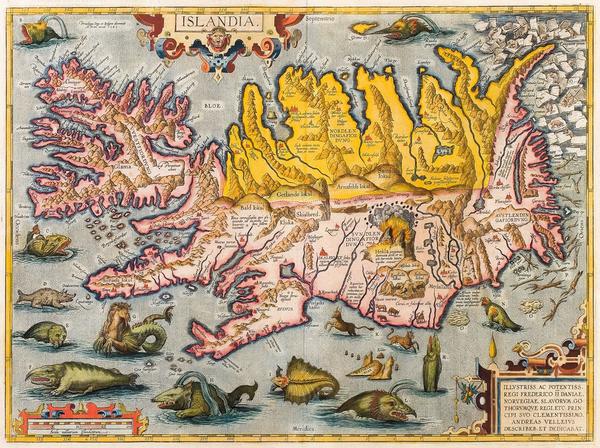
Helgastaðir
Helgastaðir is a historic location in Iceland mentioned in "Reykdæla saga og Víga-Skútu", one of the ancient Íslendingasögur (Sagas of Icelanders). These medieval narratives preserve the history of Iceland's Viking Age settlement.
Mýlaugsstaðir
Mýlaugsstaðir is a historic location in Iceland mentioned in "Reykdæla saga og Víga-Skútu", one of the ancient Íslendingasögur (Sagas of Icelanders). These medieval narratives preserve the history of Iceland's Viking Age settlement.
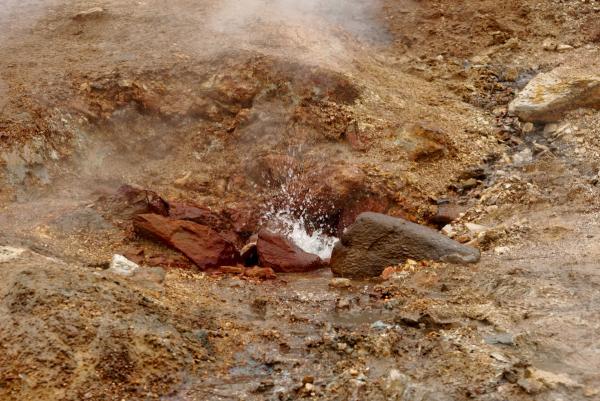
Reykjadalur
Reykjadalur is a historic location in Iceland mentioned in "Ljósvetninga saga", one of the ancient Íslendingasögur (Sagas of Icelanders). These medieval narratives preserve the history of Iceland's Viking Age settlement.

Vestmannsvatn
Vestmannsvatn is a historic location in Iceland mentioned in "Reykdæla saga og Víga-Skútu", one of the ancient Íslendingasögur (Sagas of Icelanders). These medieval narratives preserve the history of Iceland's Viking Age settlement.
Explorar
Joyas ocultas cercanas
The Old Church
Explore the meticulously preserved wooden church on site, dating back to 1879, which served the community for decades.
It offers a serene space for reflection and a glimpse into the religious life of the past, distinct from the turf houses.
Interior Exhibits of Daily Life
Step inside several turf houses to discover authentic period furnishings, tools, and textiles, illustrating daily life in rural Iceland.
Gain a profound appreciation for the ingenuity and resourcefulness of early Icelandic settlers and their domestic world.
The Farmhouse Museum Shop
Browse a small shop featuring handmade Icelandic woolens, local crafts, and books about Icelandic history and folklore.
Support local artisans and take home a unique, authentic souvenir that reflects the region's cultural heritage.
Ayuda
Preguntas frecuentes
Ubicación
Ubicación
Discover
Explore Nearby
Places from our database within 5.0 km — all data from Sanity
Loading nearby places…
0 places found within 5.0 km
Plan full itinerary →Explorar más