
Museo del Viajero
Sumérgete en los zapatos de exploradores, colonos y aventureros en Ferðalangur, el museo que celebra el espíritu perdurable de descubrimiento de Islandia. Esta …
De un vistazo
Tiempo de visita
1.5–2 hours
Mejor temporada
Morning (fewer crowds), All year
Cómo llegar
Centrally located in Reykjavík, easily accessible by foot, public bus, or taxi. Ample parking available nearby.
GPS
64.1431, -21.9138
Acerca de
Sobre Museo del Viajero
Sumérgete en los zapatos de exploradores, colonos y aventureros en Ferðalangur, el museo que celebra el espíritu perdurable de descubrimiento de Islandia. Esta cautivadora institución narra el viaje de la nación, desde antiguas travesías hasta expediciones modernas. Descubre las fascinantes historias detrás de las personas que dieron forma a esta isla única.
Unravel the sagas of Icelandic explorers and feel the enduring spirit of discovery that defines the nation.
Tours cerca de Museo del Viajero
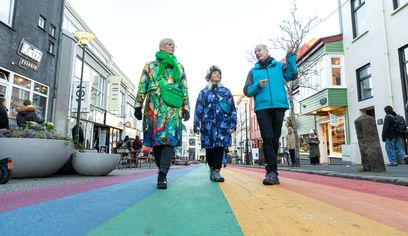
Private Reykjavik LGBTQ+ City Walk
Your Friend in Reykjavik · 3 hours
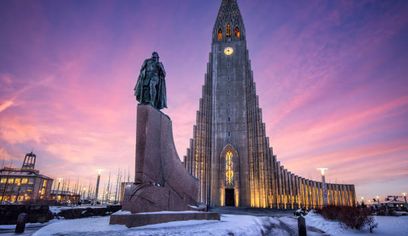
Private Reykjavik City Tour
Icelimo Luxurytravel · 4 hours
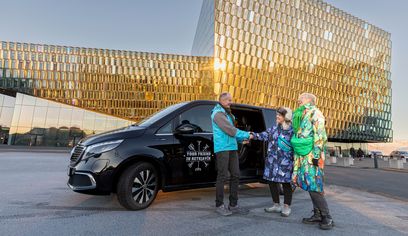
Private 3 hour Reykjavik Driving Tour
Your Friend in Reykjavik · 3 hours
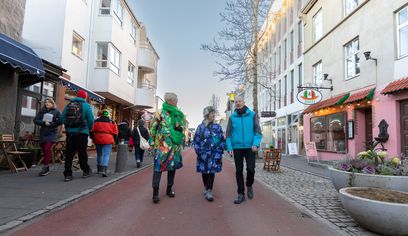
Private Reykjavik Shopping & Sightseeing Walking Tour
Your Friend in Reykjavik · 3 hours
Fotos
Galería
Antecedentes
Historia y Antecedentes
La historia de Islandia está inextricablemente ligada a los viajes y la exploración, comenzando con las audaces travesías de los vikingos nórdicos a finales del siglo IX. Estos intrépidos marineros, impulsados por una mezcla de hambre de tierras, conflictos políticos y pura curiosidad, navegaron por el peligroso Atlántico Norte para descubrir y colonizar esta remota isla. Sus viajes iniciales y las subsiguientes olas de asentamiento sentaron las bases de una sociedad única, moldeada por su aislamiento y el constante desafío de un entorno duro pero hermoso. A lo largo de los siglos, los islandeses continuaron siendo viajeros, ya fuera a través de rutas comerciales que los conectaban con Europa o mediante expediciones internas a través de su accidentado paisaje. Las propias sagas son relatos épicos de viajes, disputas y el establecimiento de un nuevo mundo. El Museo Ferðalangur fue fundado para encapsular esta profunda narrativa histórica, reconociendo que el acto de 'viajar' –ya sea a través de océanos o de ideas– es central para la identidad islandesa. El museo, establecido a principios del siglo XXI, sirve como guardián moderno de estas historias antiguas y contemporáneas. Reúne meticulosamente artefactos, documentos e historias orales, creando un espacio dinámico donde el pasado resuena con el presente. Es un lugar donde los visitantes pueden comprender no solo *qué* sucedió, sino *por qué* el espíritu del viajero sigue siendo tan potente en la psique islandesa.
Ferðalangur, el "Museo del Viajero", es un vibrante homenaje al perdurable espíritu de exploración que ha definido a Islandia desde su génesis. Ubicado en el corazón de la región capital, este museo invita a los visitantes a un viaje inmersivo a través de la rica historia de descubrimiento, asentamiento y aventura continua de la nación. Desde los intrépidos navegantes vikingos que avistaron estas costas hace más de un milenio, utilizando antiguas cartas estelares y una marinera intuitiva, hasta los científicos y artistas modernos que continúan superando límites, Ferðalangur muestra las muchas facetas de la pasión islandesa por viajar. En su interior, encontrará exhibiciones meticulosamente curadas que presentan hallazgos arqueológicos genuinos, réplicas detalladas de herramientas de navegación tempranas y pantallas interactivas que dan vida a las sagas. Las instalaciones multimedia lo transportan a la cubierta de un drakkar luchando contra las olas del Atlántico, o a la mente de los pioneros que cartografiaron territorios desconocidos. Aprenda sobre los desafíos que enfrentaron los primeros colonos, los intercambios culturales que dieron forma a la sociedad islandesa temprana y cómo el aislamiento fomentó una resiliencia única y una sed insaciable de conocimiento sobre el mundo exterior. El museo también destaca la exploración islandesa moderna, desde expediciones de montañismo hasta investigación científica en entornos extremos, demostrando que el espíritu de Ferðalangur sigue siendo tan vibrante hoy como hace mil años. No se pierda la vista panorámica desde el piso superior, que ofrece una perspectiva contemporánea de la tierra una vez descubierta.
Folclore
Historia y Folclore
El viento cortante azotaba al joven Einar mientras se aferraba a la áspera barandilla de madera, el crujido rítmico del drakkar su única canción de cuna. Lejos de los fiordos familiares de Noruega, la vasta y gris extensión del Atlántico Norte se extendía interminablemente ante ellos. Su padre, un hombre curtido con ojos que veían más allá del horizonte, señaló una mancha distante. 'Tierra', gruñó, la palabra una promesa susurrada contra el rugido de las olas. Einar recordaba las sagas, cuentos de intrépidos guerreros y astutos navegantes, pero esto era diferente. Esta era *su* saga, desplegándose con cada salpicadura de sal y cada latido de su corazón aventurero. Eran Ferðalangur, los viajeros, buscando un nuevo hogar bajo un cielo indómito. Generaciones después, su viaje, y muchísimos otros, resuenan entre las paredes de este museo. Aquí, no solo ves historia; sientes el frío del mar, la emoción del descubrimiento y el espíritu indomable que los impulsó hasta el borde del mundo conocido.
¿Sabías que?
Did you know the first known settlers of Iceland, the Vikings, navigated using sunstones and the stars, embarking on some of history's most audacious voyages?
Cultura
Historias y Leyendas
Sagas islandesas y folclore de esta área
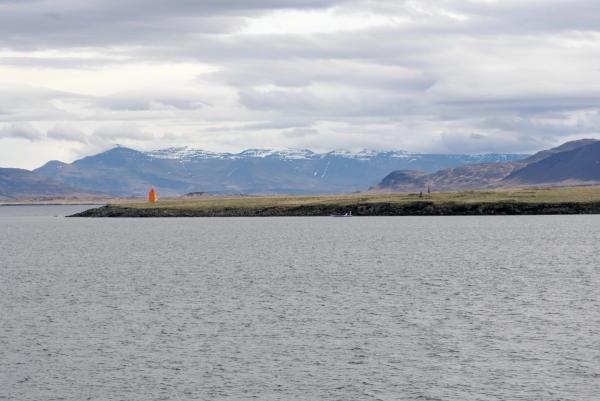
Engey
Engey is a historic location in Iceland mentioned in "Njáls saga", one of the ancient Íslendingasögur (Sagas of Icelanders). These medieval narratives preserve the history of Iceland's Viking Age settlement.
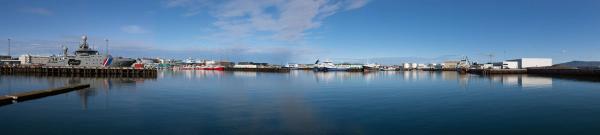
Reykjavík
Reykjavík is a historic location in Iceland mentioned in "Harðar saga og Hólmverja", one of the ancient Íslendingasögur (Sagas of Icelanders). These medieval narratives preserve the history of Iceland's Viking Age settlement.
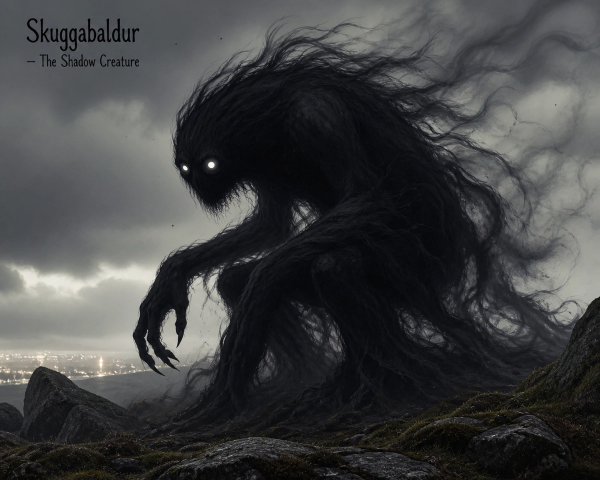
Skuggabaldur – The Shadow Creature
Skuggabaldur: A phantom dog guarding forgotten paths.
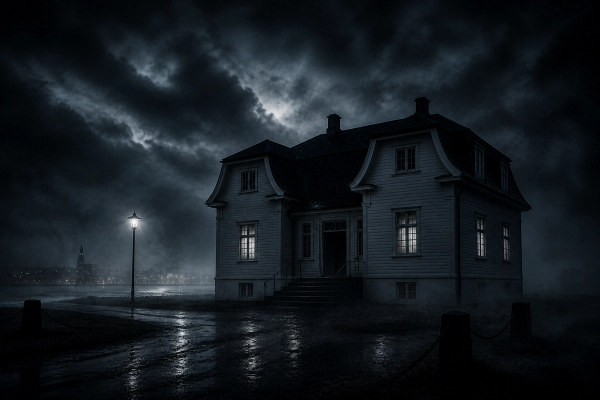
Höfði House – Reykjavík's Haunted Mansion
Höfði House: Reykjavík's historic mansion with a chilling paranormal past.
Explorar
Joyas ocultas cercanas
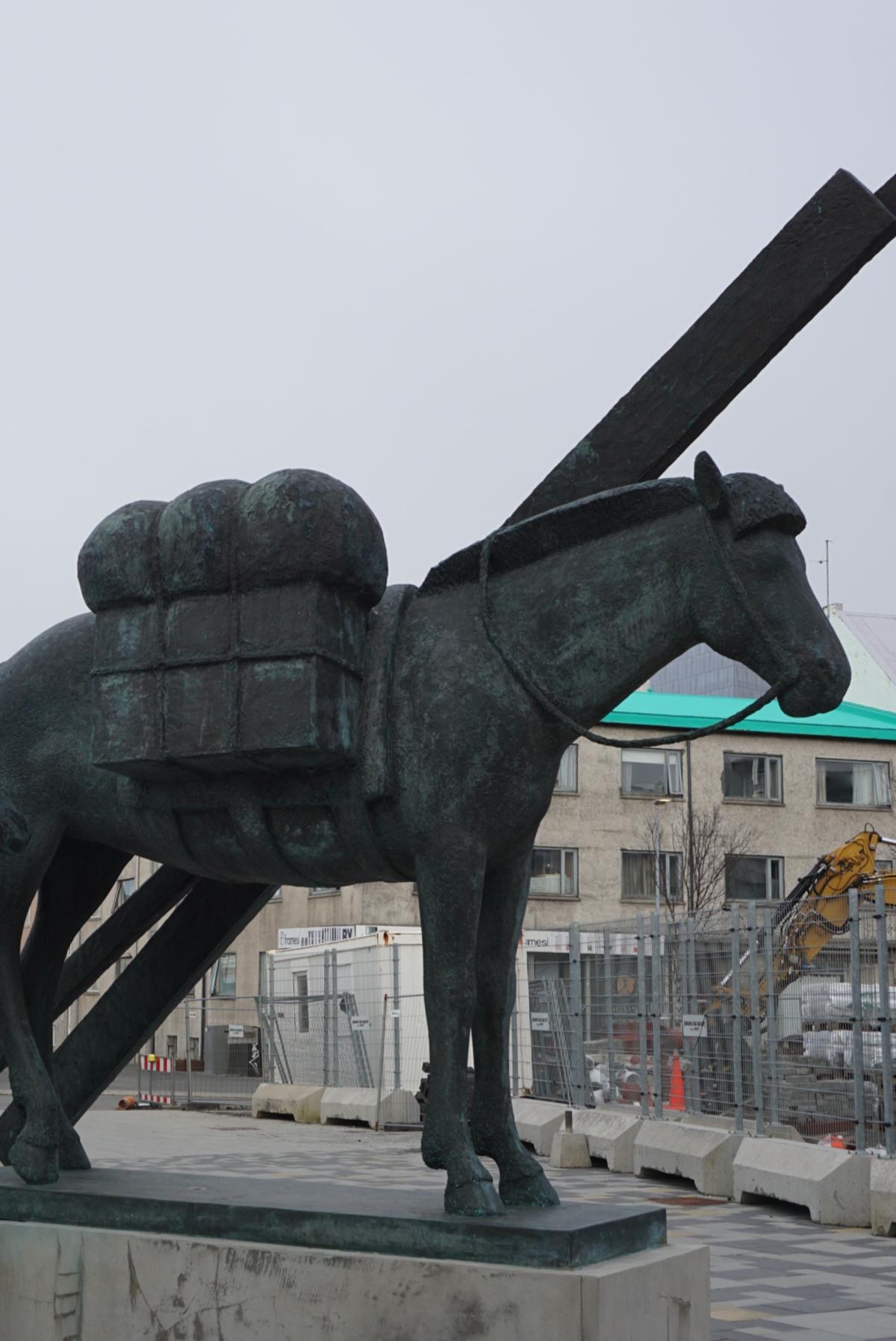
Look at the Timber Beams
The unusually long wooden beams carried by the horses are not decorative. They represent imported construction timber that arrived through Reykjavík harbour and helped build many of the city’s earliest houses.
This detail connects the sculpture directly to Reykjavík’s transformation from a small coastal settlement into a growing capital.
Why the Sculpture Stands at Hlemmur
Hlemmur was historically one of Reykjavík’s busiest transport crossroads. Placing the sculpture here strengthens its connection to travel routes, movement, and the transport history of the city.
It helps visitors understand that this area has always been a gateway between neighbourhoods and generations of travellers.
Sigurjón Ólafsson’s Signature Style
Sigurjón Ólafsson often simplified human and animal forms to highlight movement and strength rather than realism. The horses’ solid shapes reflect endurance rather than motion.
Recognizing the artist’s style adds a deeper layer of meaning to the sculpture beyond its historical subject.
Ubicación
Ubicación
Discover
Explore Nearby
Places from our database within 5.0 km — all data from Sanity
Loading nearby places…
0 places found within 5.0 km
Plan full itinerary →Explorar más