GoIceTravel
Explorar IslandiaAtraccionesBuild TripPronóstico de auroras en vivo

Language

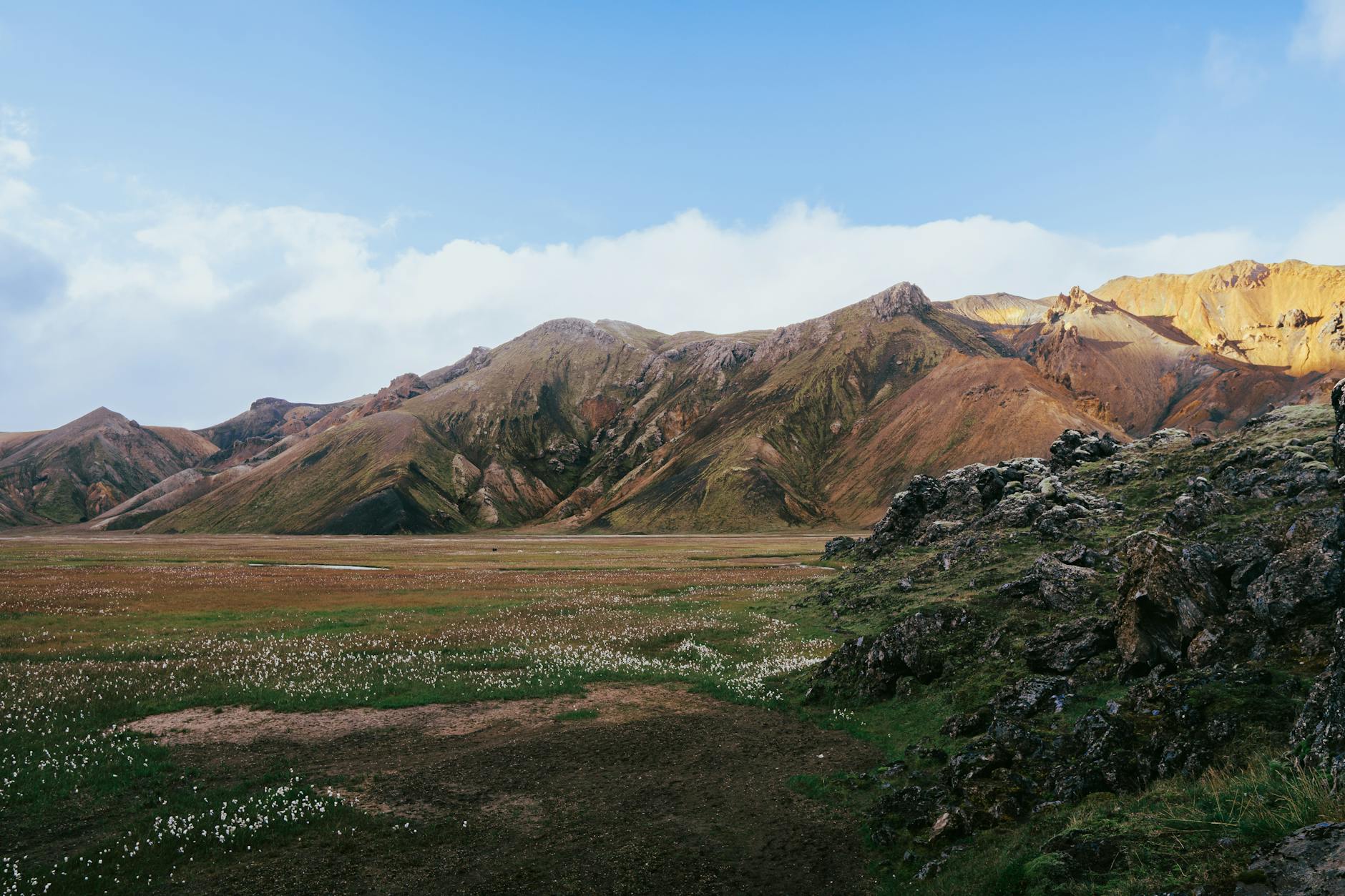
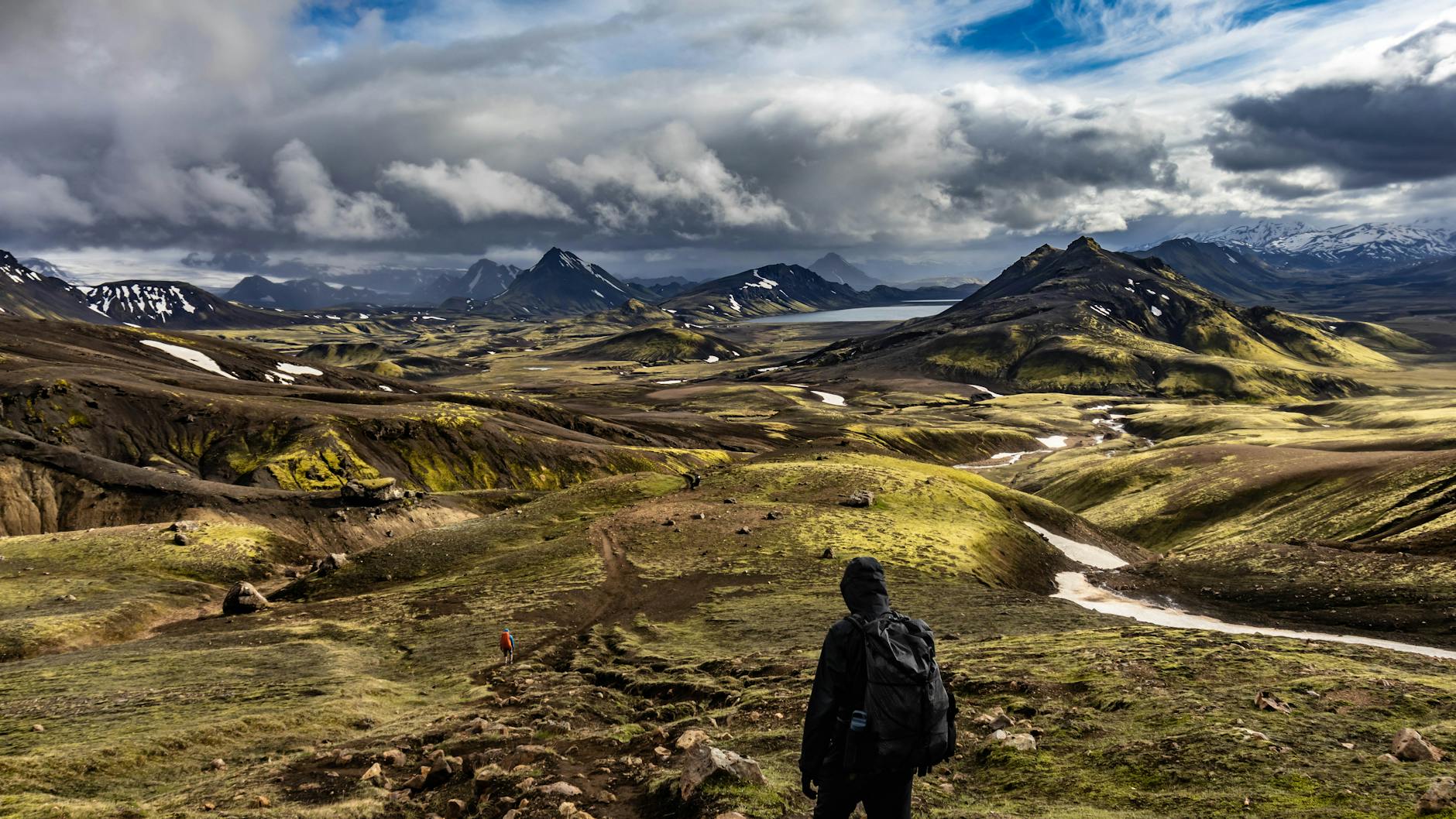
Camping in Iceland — Landmannalaugar rhyolite mountains
Complete Guide · Updated 2026

Camping in Iceland

Official rules, 63+ campsites, the best regions and everything you need for an unforgettable Icelandic camping trip.

63+
Campsites
8
Regions
~24,900 ISK
Camping Card (28 nights)
Jun – Sep
Peak Season
1,500–3,500
ISK / person / night

Is Camping in Iceland Easy?

Iceland is one of the world's best countries for camping. The infrastructure is excellent — most campsites have hot showers, cooking facilities and electricity hookups. The landscapes are extraordinary. And thanks to the Camping Card (Tjaldferðakort), camping is one of the most affordable ways to experience the country properly.

The catch? Icelandic weather demands respect. Wind is the single biggest challenge — gusts regularly exceed 25 m/s (90 km/h), which will destroy any festival tent. Temperatures drop sharply at night even in July. And the “midnight sun” in summer means you'll need a blackout eye mask or you simply won't sleep. Come prepared and camping in Iceland is extraordinary. Come underprepared and it's miserable.

The best time to camp is June through August, when all campsites are open, F-roads to the highlands are accessible and temperatures are at their peak. The shoulder months of May and September offer fewer crowds and the first Northern Lights of the season — but some highland sites are still closed in May.

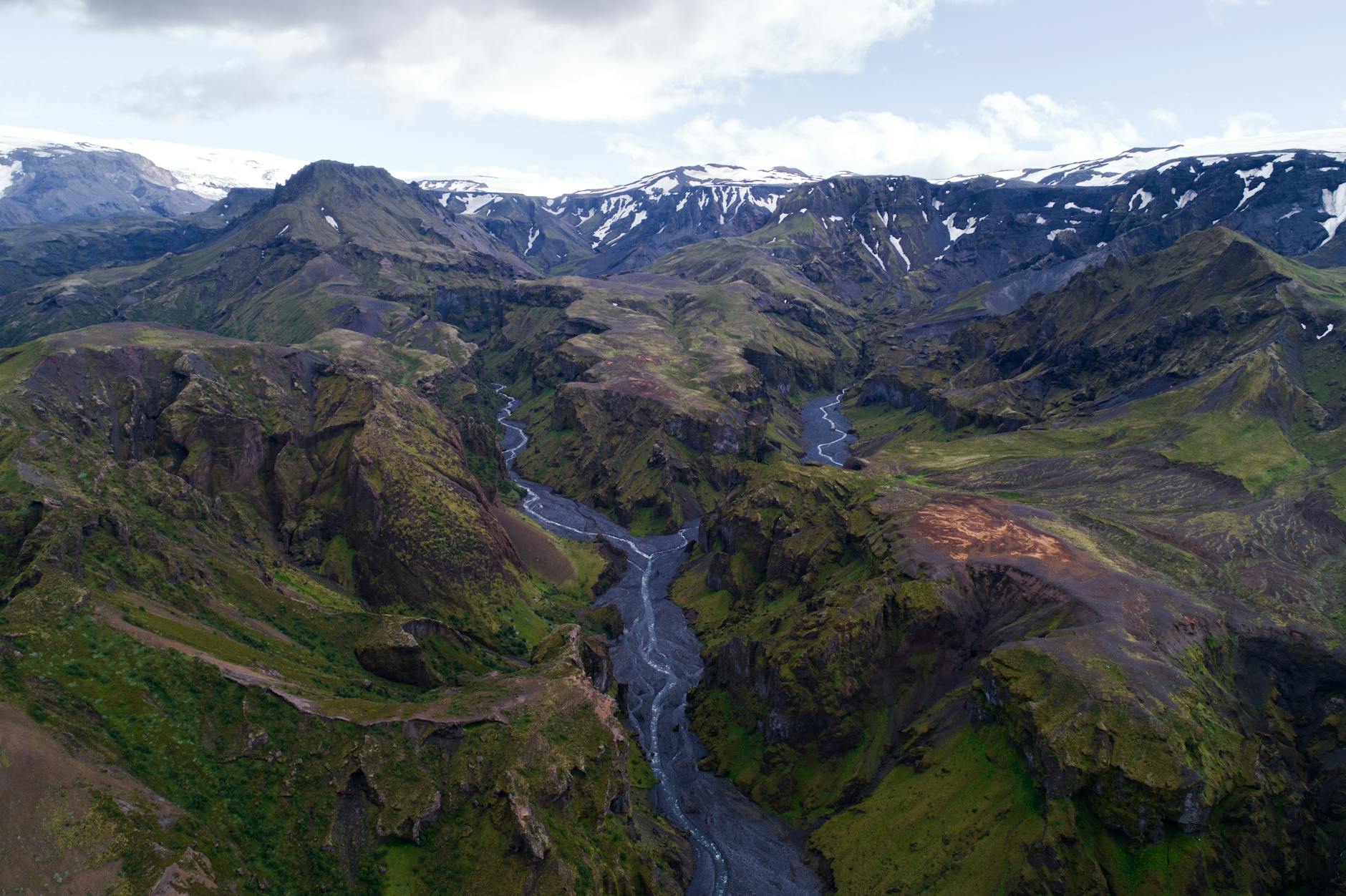
Þórsmörk

Þórsmörk

Glacier valley campsite

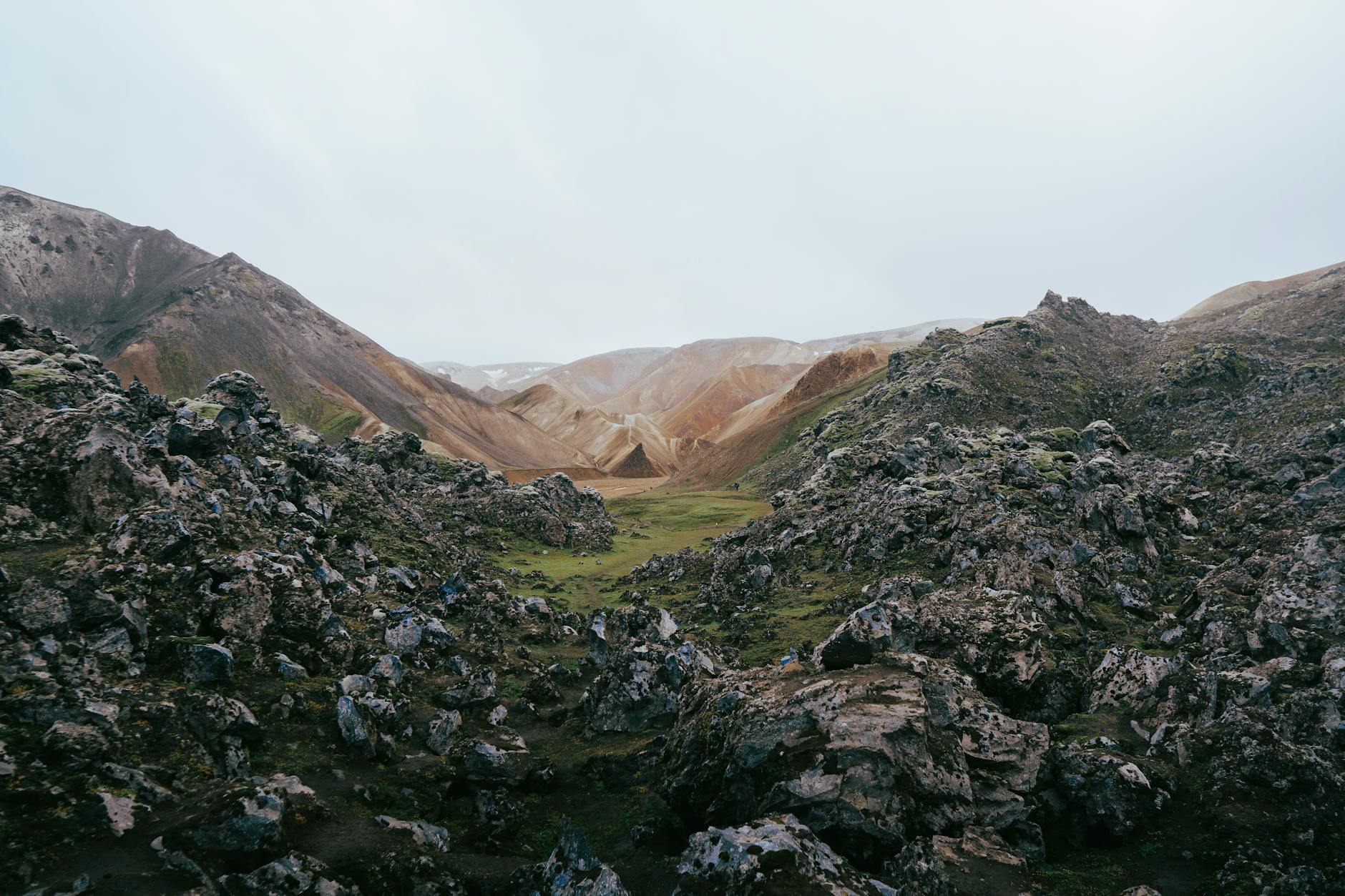
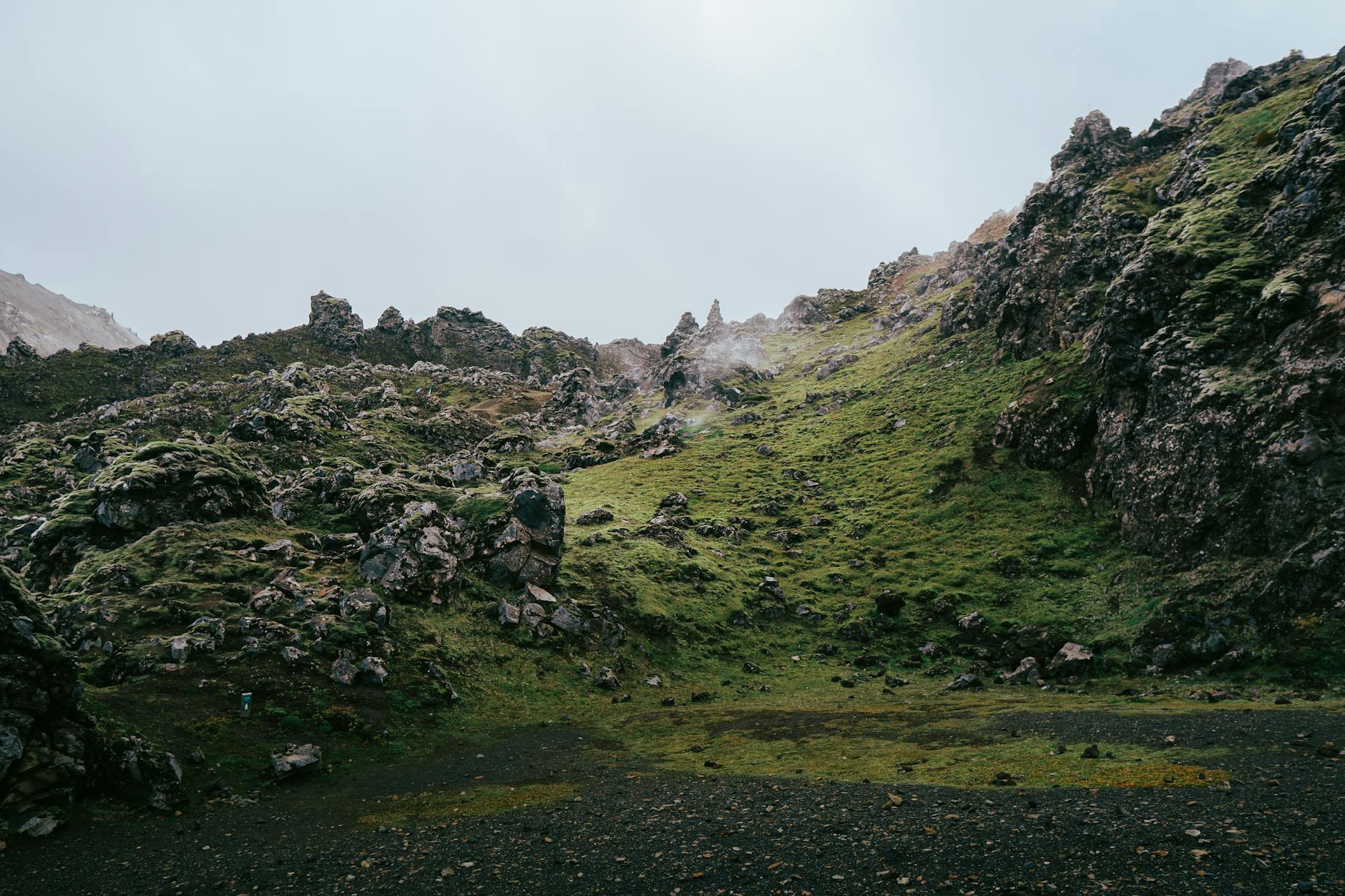
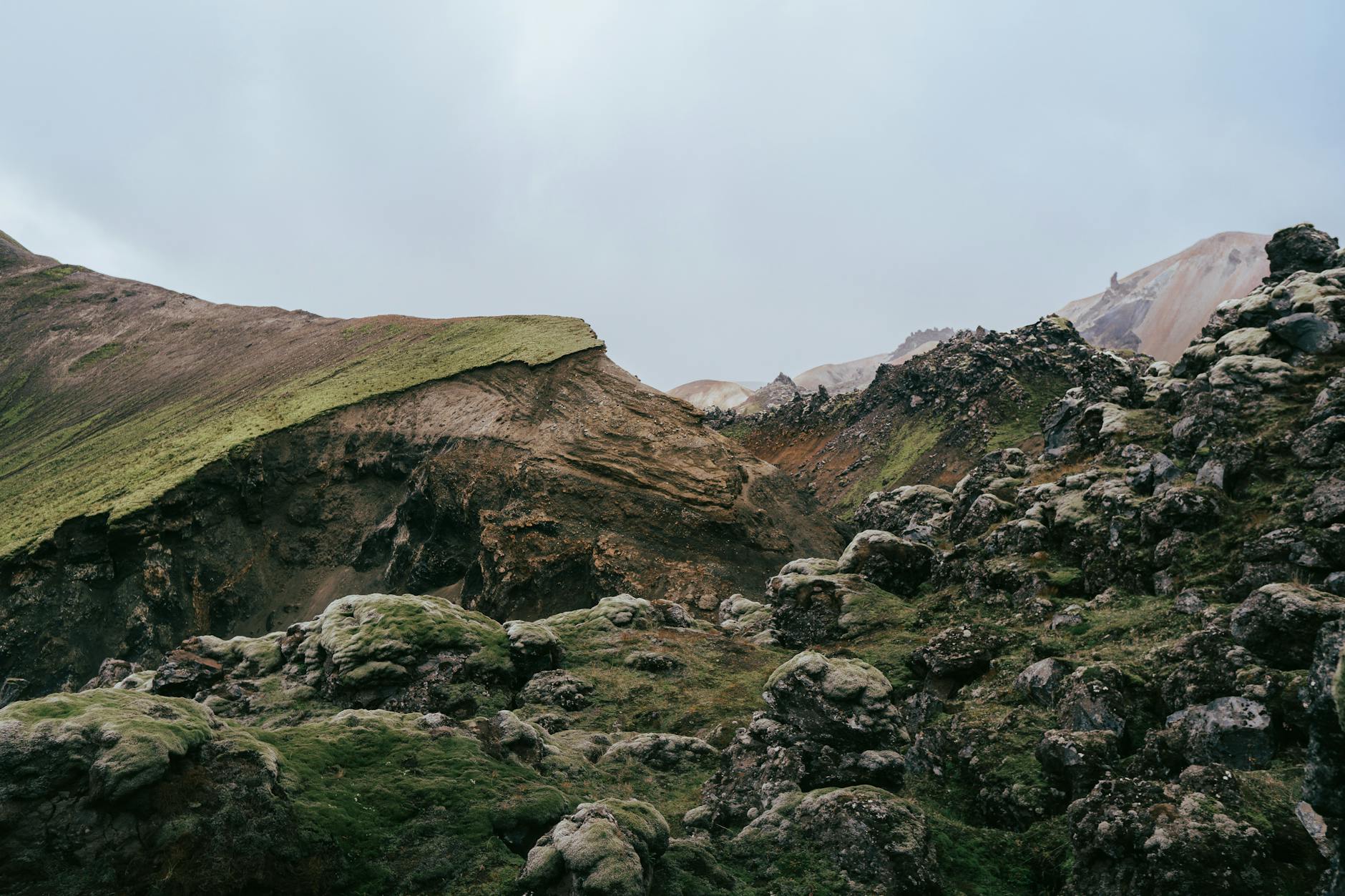
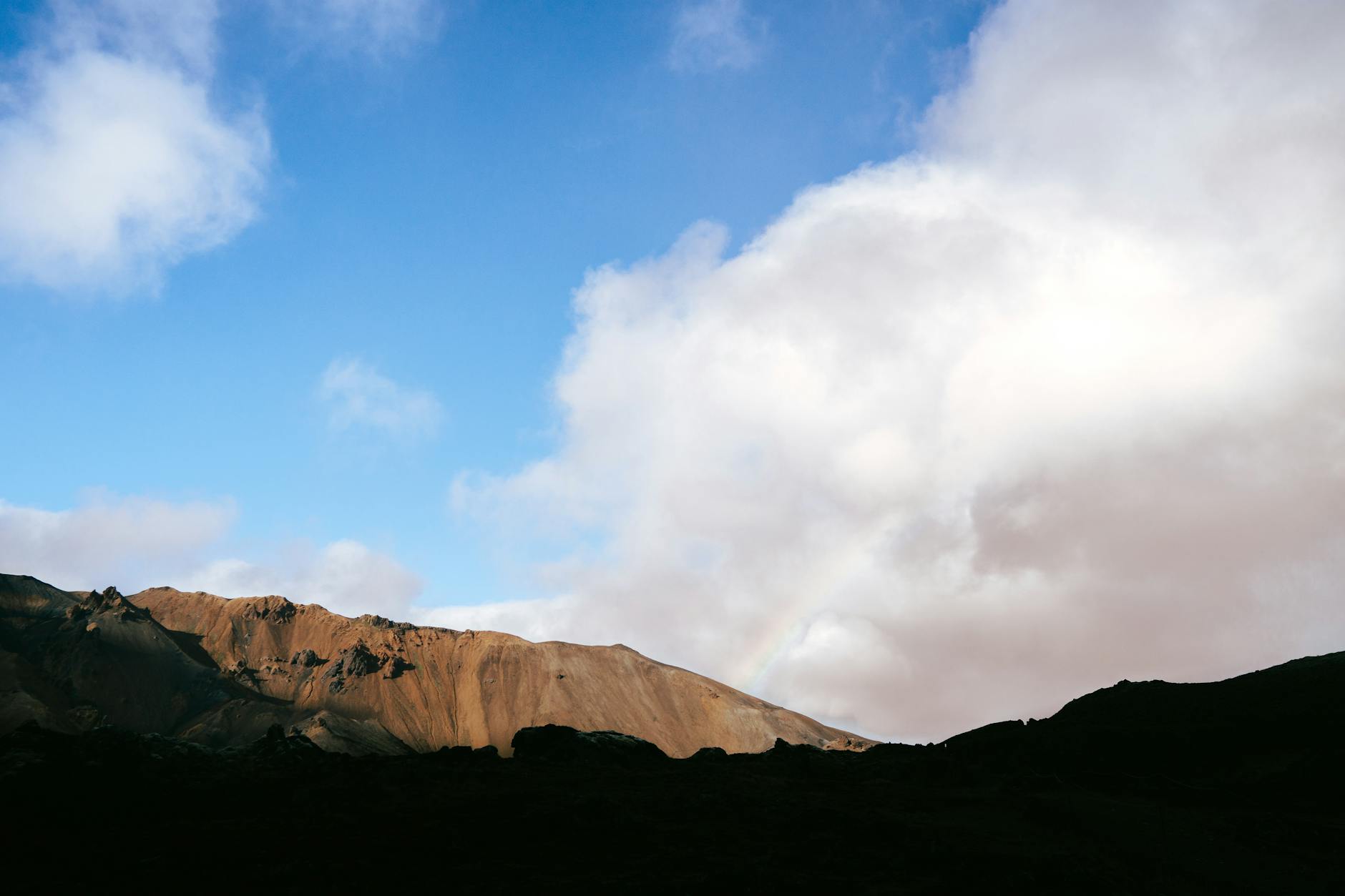
Landmannalaugar

Landmannalaugar

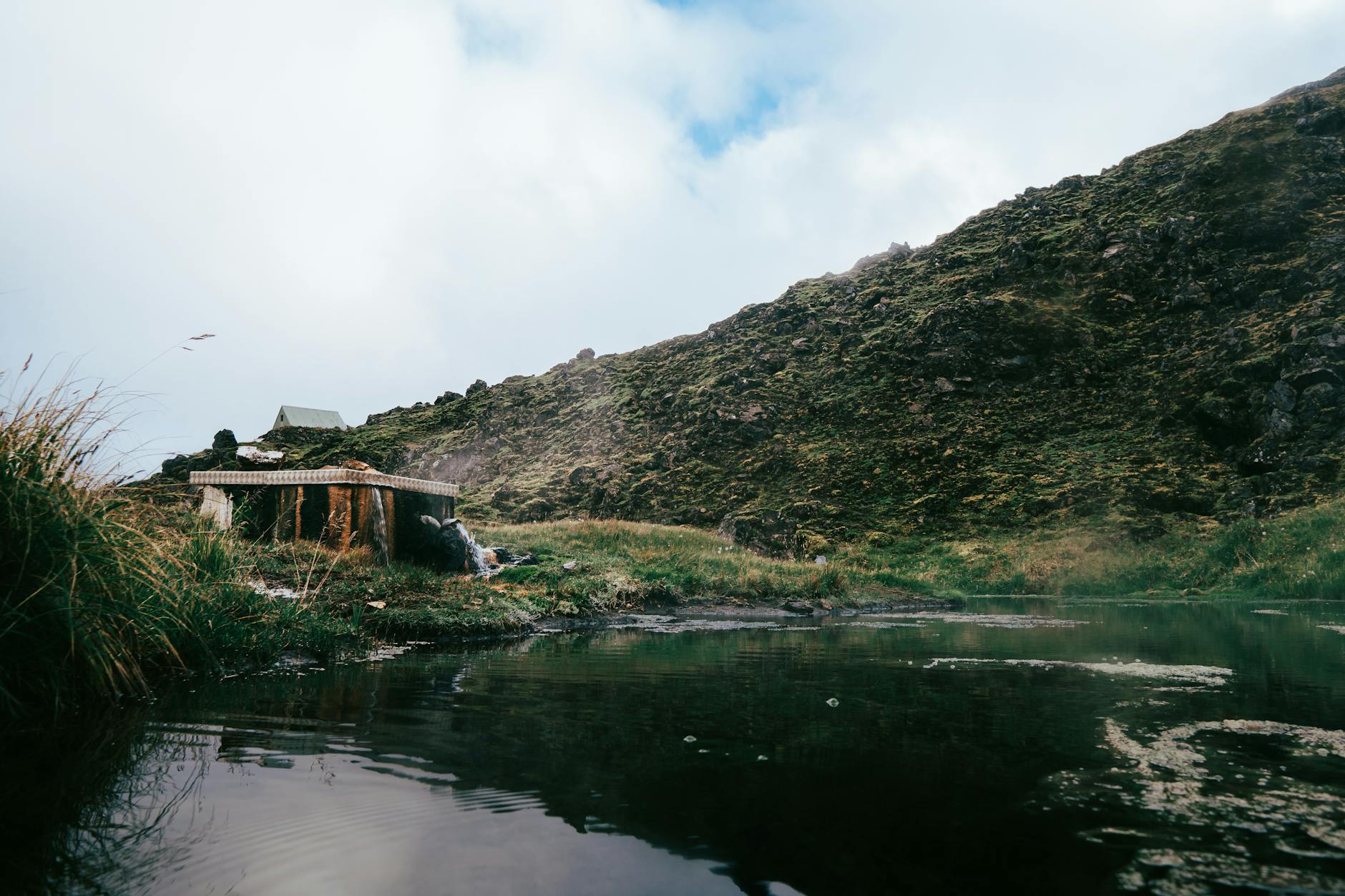
Highland hot spring camping

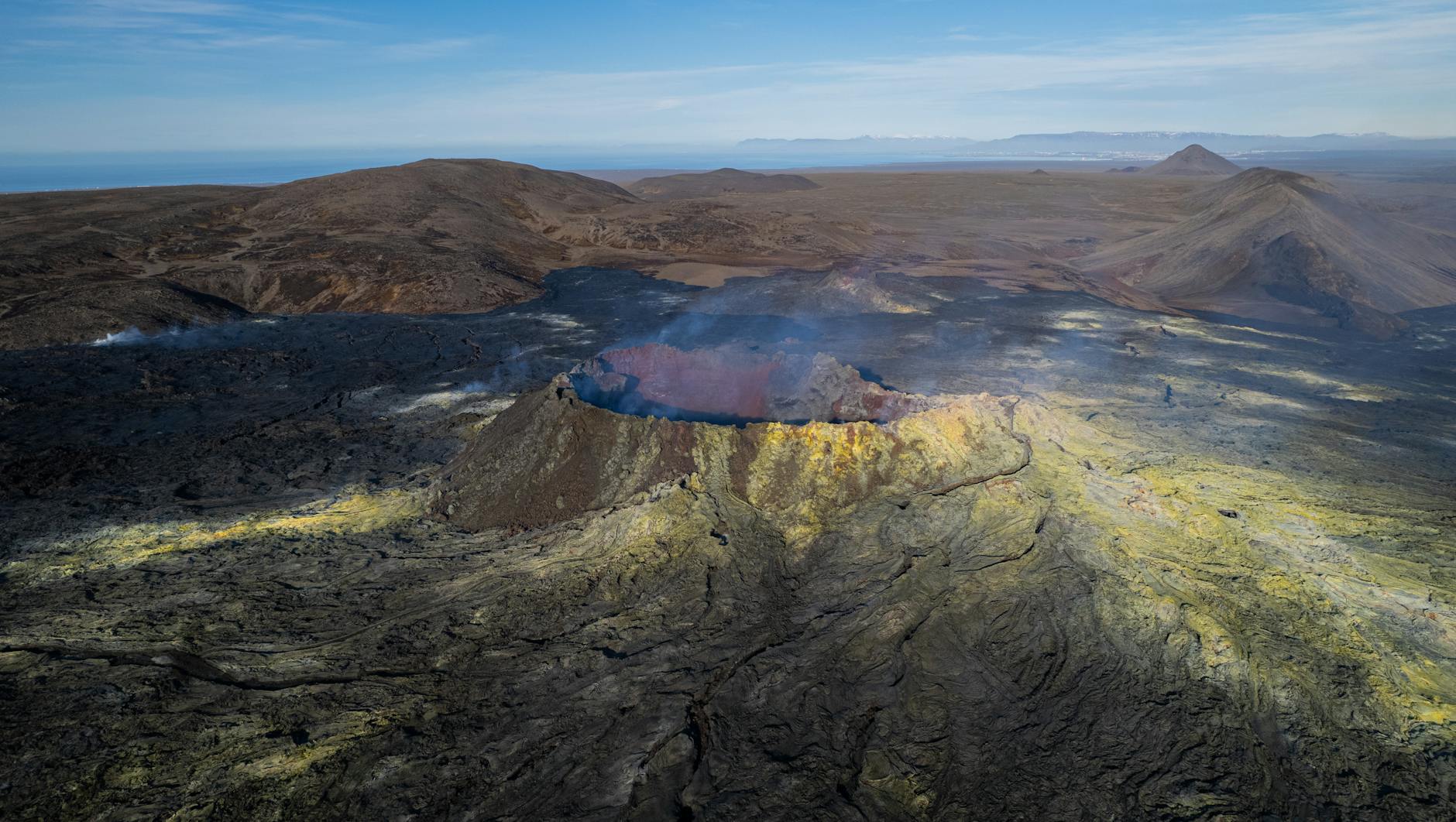
Askja

Askja

Remote highland crater

Hornstrandir

Hornstrandir

Wild hiking in the Westfjords

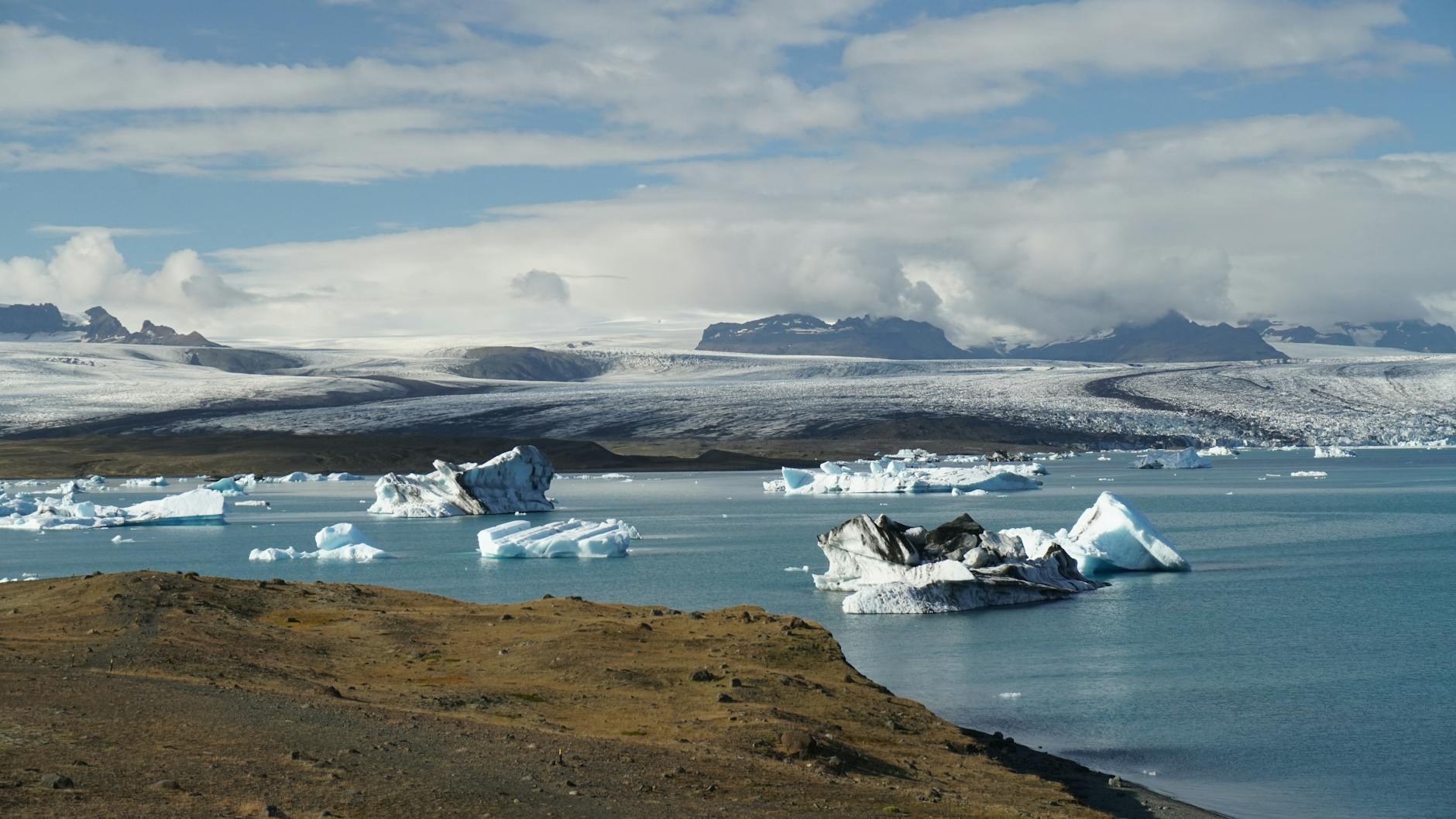
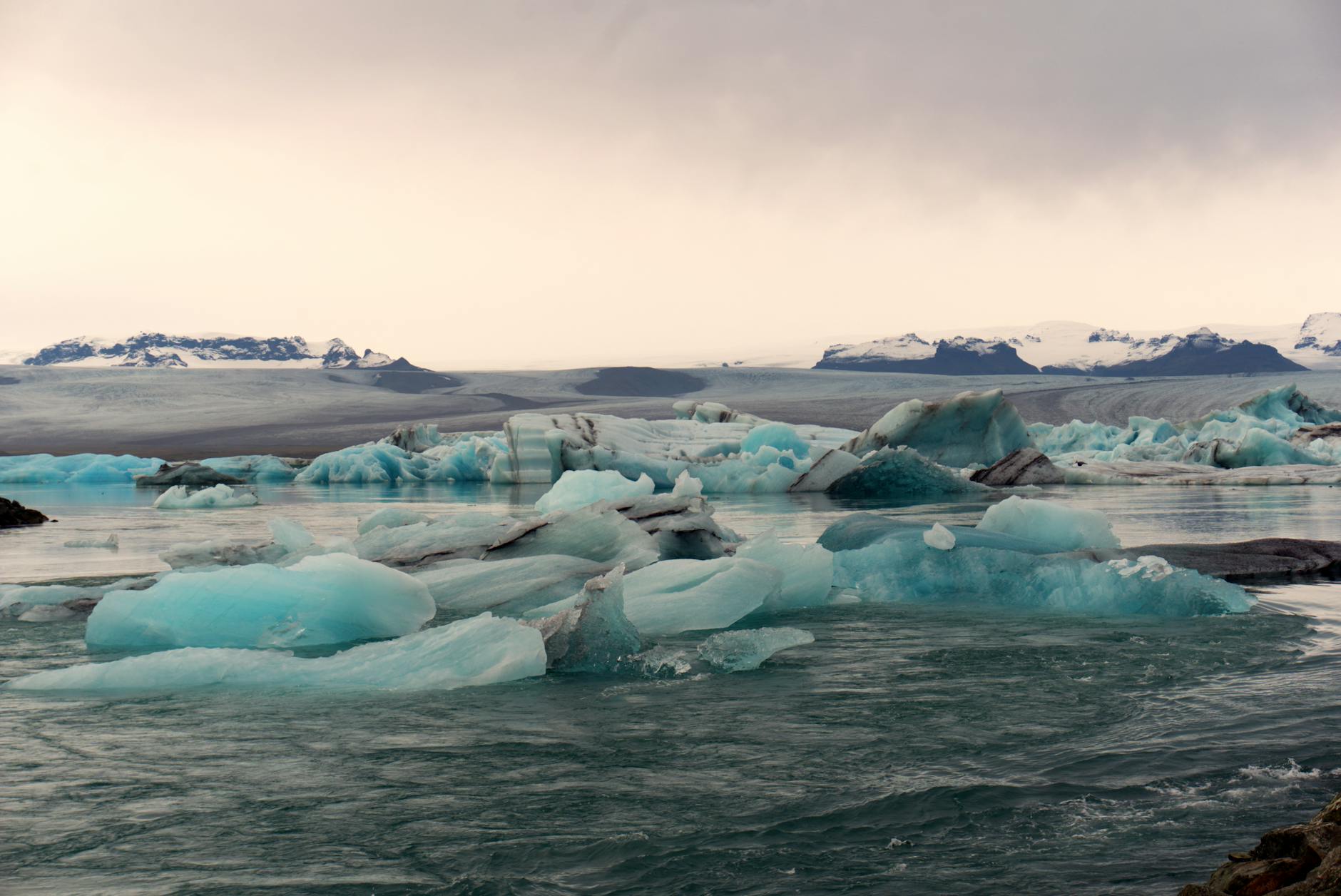
Jökulsárlón

Jökulsárlón

Glacier lagoon South Iceland

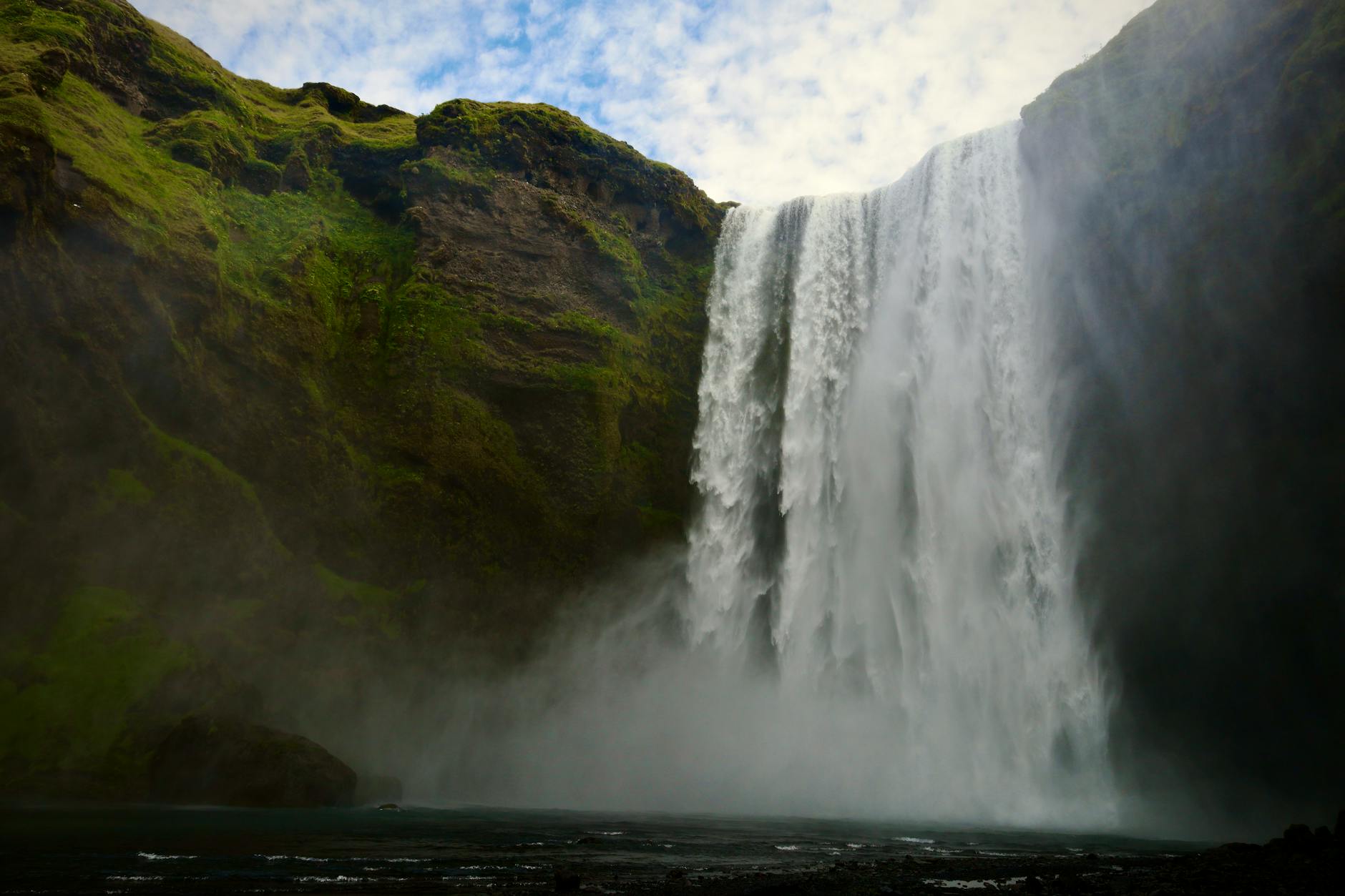
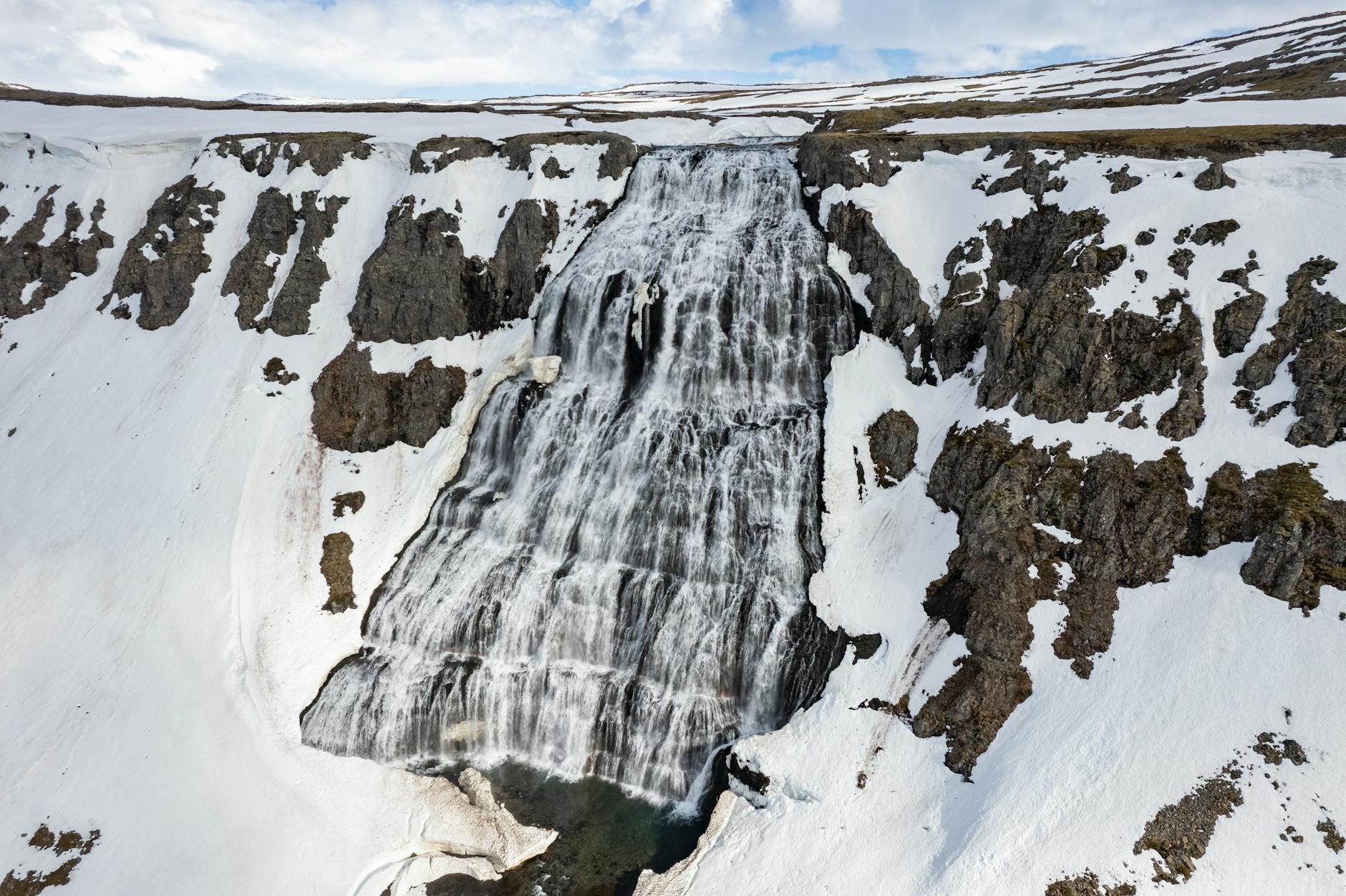
Skógafoss

Skógafoss

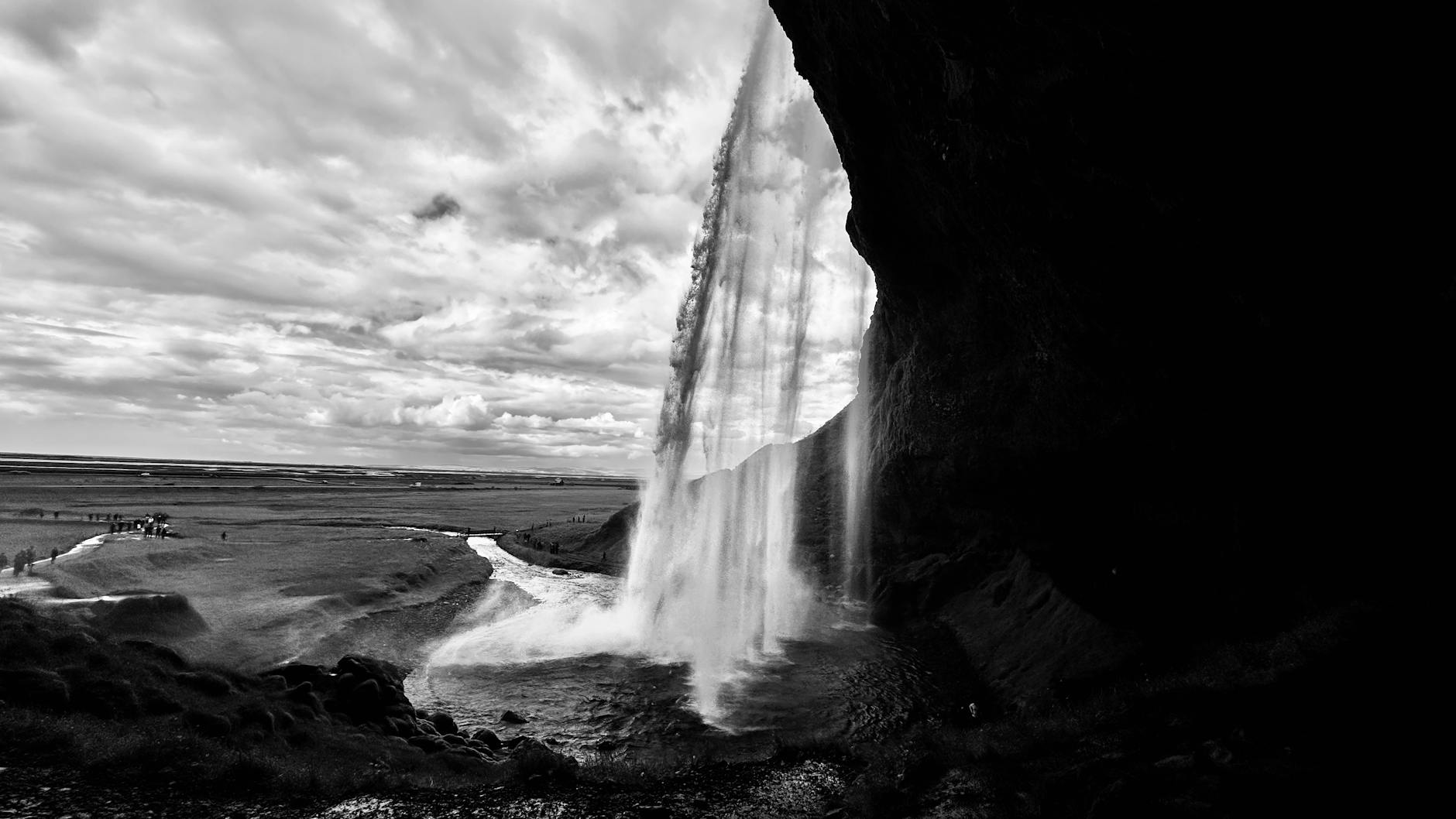
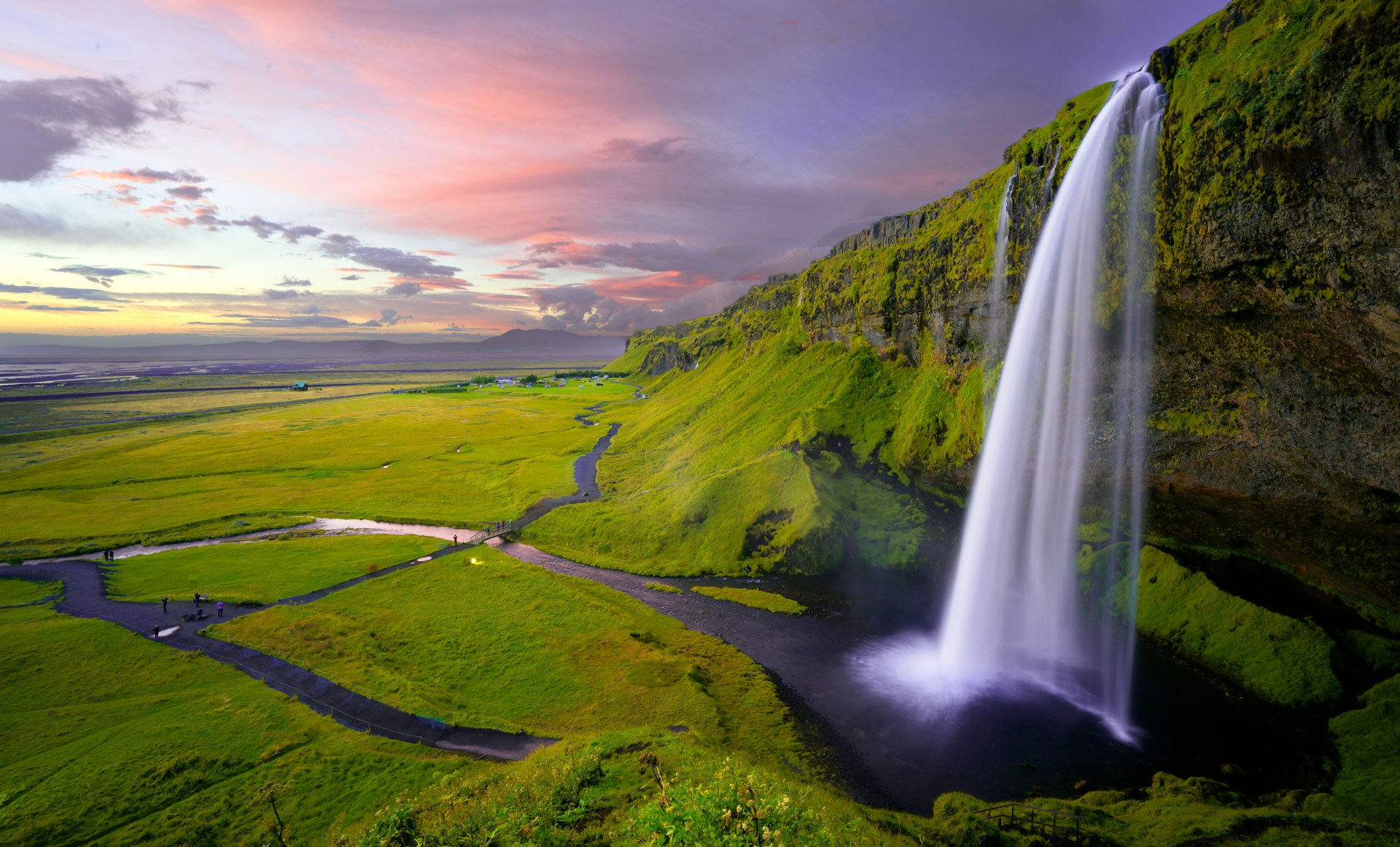
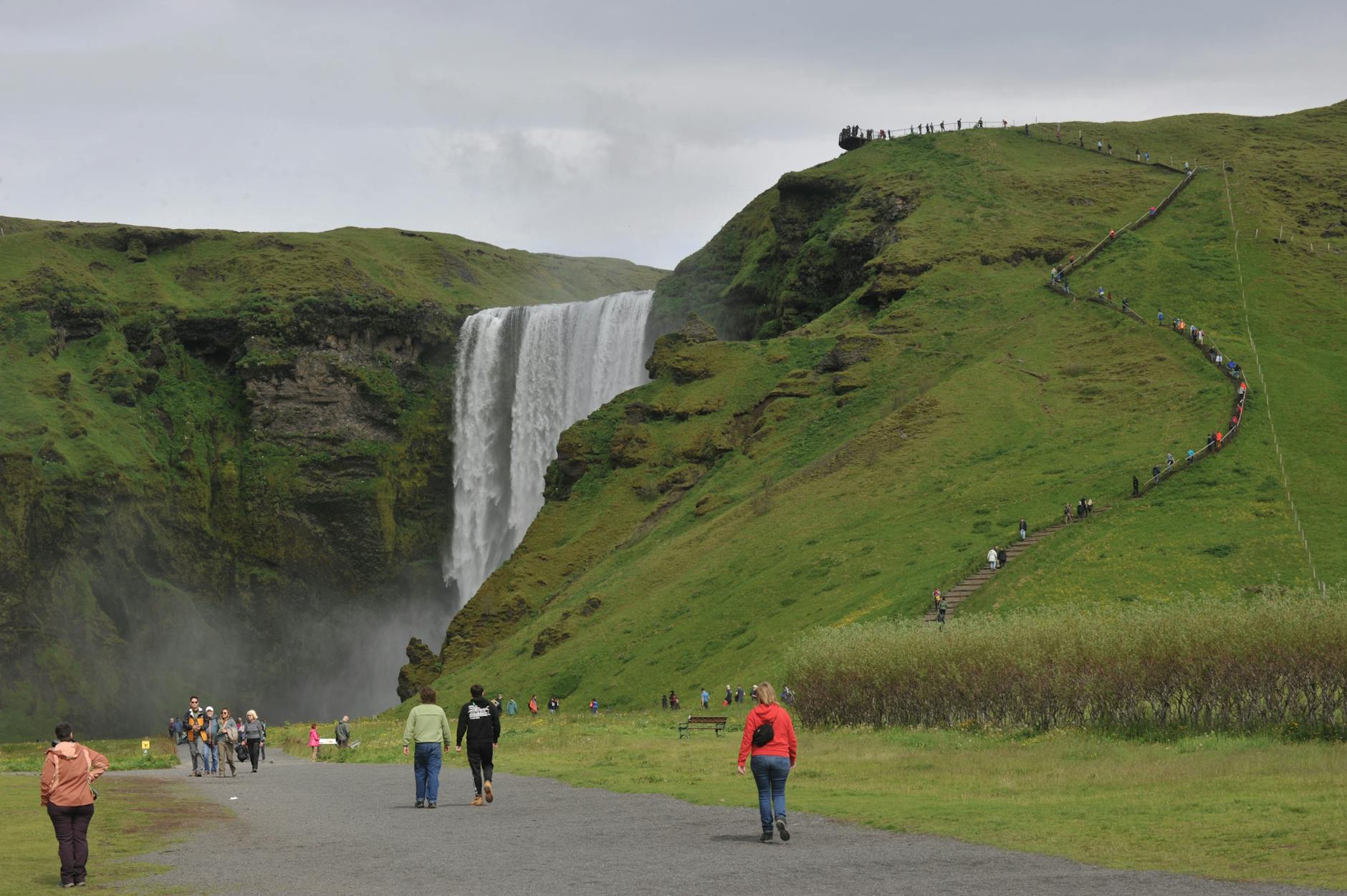
Campsite under the waterfall

💳

Iceland Camping Card Best Value

~24,900 ISK for 28 nights at 170+ campsites — up to 2 adults and all children under 18. Pays for itself after 5–6 nights. Valid 1 June – 15 September.

Buy Camping Card → campingcard.is

Camping Rules in Iceland

Iceland's camping laws changed significantly in 2015 and have been further tightened since. Violations carry on-the-spot fines of up to 100,000 ISK.

Sources: Umhverfisstofnun (Environment Agency) · SafeTravel Iceland

🏕️

Wild Camping on Private Land is Prohibited

You cannot camp on private, cultivated or enclosed land without written permission from the landowner. Iceland may look empty, but most open-looking land is privately owned. When in doubt, find a designated campsite.

🚐

Campervans Must Use Designated Campsites

Since 2017, campervans, motorhomes and caravans are strictly prohibited from parking overnight on roadsides, lay-bys, car parks or anywhere other than a designated campsite. This is actively enforced — rangers patrol popular areas nightly.

ust.is
🏔️

National Parks — Designated Areas Only

Vatnajökull, Þingvellir and Snæfellsjökull national parks only allow camping in clearly marked areas. Pitching a tent elsewhere inside the park boundary carries heavy fines. Open fires are also prohibited inside all national parks.

vatnajokulsthjodgardur.is
🔥

Open Fires are Banned Nationwide

Open campfires are prohibited throughout Iceland due to fragile vegetation and near-constant wind. Use a gas camp stove only, in designated cooking areas. Never light a fire outdoors — even a small one.

safetravel.is
🌿

Leave No Trace — Iceland's Moss is Irreplaceable

Icelandic moss (especially Racomitrium lanuginosum) can take 50–100 years to recover from a single footstep. Pack out all rubbish, use campsite toilet facilities, and never drive or walk on moss. It looks soft but is extraordinarily fragile.

🚙

Off-Road Driving is Strictly Illegal

Driving off designated roads or tracks is illegal in Iceland regardless of vehicle type. This includes 4WD and purpose-built expedition vehicles. Fines reach 500,000 ISK and the damage to highland landscapes is permanent.

ust.is — off-road driving
Landmannalaugar highland campingÞórsmörk glacier valley

Best Time to Camp in Iceland

Iceland can technically be camped year-round, but conditions vary dramatically by season. Here's an honest breakdown.

June – August

Peak Summer

Pros

  • Midnight sun (no darkness)
  • All campsites open
  • Highland F-roads accessible
  • Warmest temperatures
  • Long hiking days

Cons

  • Busiest — book in advance
  • More expensive
  • Eye mask essential for sleep

May & September

Shoulder Season

Pros

  • Fewer crowds
  • Good weather possible
  • Lower prices
  • Northern Lights begin (Sept)

Cons

  • Some Highland F-roads closed in May
  • Cooler temperatures
  • Shorter days

March – April

Spring

Pros

  • Northern Lights
  • Very few tourists
  • Snow scenery
  • Budget travel

Cons

  • Most campsites closed
  • Cold nights (−5°C)
  • Unpredictable weather
  • Short daylight

October – February

Winter

Pros

  • Aurora Borealis
  • Unique experience
  • Virtually no other campers

Cons

  • Very few campsites open
  • Extreme cold
  • Short daylight
  • Experienced winter campers only

What to Pack for Camping in Iceland

Icelandic conditions are more demanding than most European camping. This is the non-negotiable gear list — every item earns its weight.

Hiking and camping in the Icelandic highlands

Shelter

  • 4-season windproof tent (3-season minimum)
  • Extra tent pegs (wind pegs preferred)
  • Sleeping bag rated to −5°C
  • Insulating sleeping pad
  • Tent repair tape
🧥

Clothing

  • Waterproof jacket (Gore-Tex rated)
  • Waterproof over-trousers
  • Thermal base layers × 2
  • Fleece mid-layer
  • Wool hiking socks × 4
  • Waterproof hiking boots
  • Hat + gloves + buff
  • Blackout eye mask (summer!)
🍳

Cooking

  • Gas camp stove + 2 canisters
  • Lightweight pot + lid
  • Utensils + spork
  • Water filter or tablets
  • Food for 1 extra day
🛡️

Safety

  • Offline maps (OsmAnd / Maps.me)
  • Charged power bank
  • Headlamp + spare batteries
  • First aid kit
  • Emergency whistle
  • Emergency foil blanket
  • Satellite communicator (highlands)

🌦️ Weather & Safety

Weather is the single biggest variable in Icelandic camping. The Icelandic Meteorological Office (vedur.is) issues colour-coded warnings — yellow, orange and red. Never set up camp or enter the highlands on an orange or red warning day.

💨

Wind is the biggest danger. Iceland regularly sees gusts above 25 m/s. Stake all guylines before eating or sleeping — even if it looks calm when you arrive.

🌡️

Night temperatures drop even in July. Coastal lows reach 8–10°C; highlands can drop to 0°C. A 3-season sleeping bag is the minimum — highland camping requires 4-season.

☀️

Midnight sun is real. From late May to mid-August the sun barely sets in the north. A blackout eye mask is essential for quality sleep — not optional.

📡

Mobile coverage is limited in the highlands. Download offline maps before you go (OsmAnd or Maps.me). Download the 112 Iceland app — it shares your GPS location with rescue teams.

Camping by Region

Iceland's six main camping regions each offer something completely different — here's what to expect and the best campsites in each area.

South Iceland camping

📍 South Iceland

South Iceland Camping

South Iceland landscape

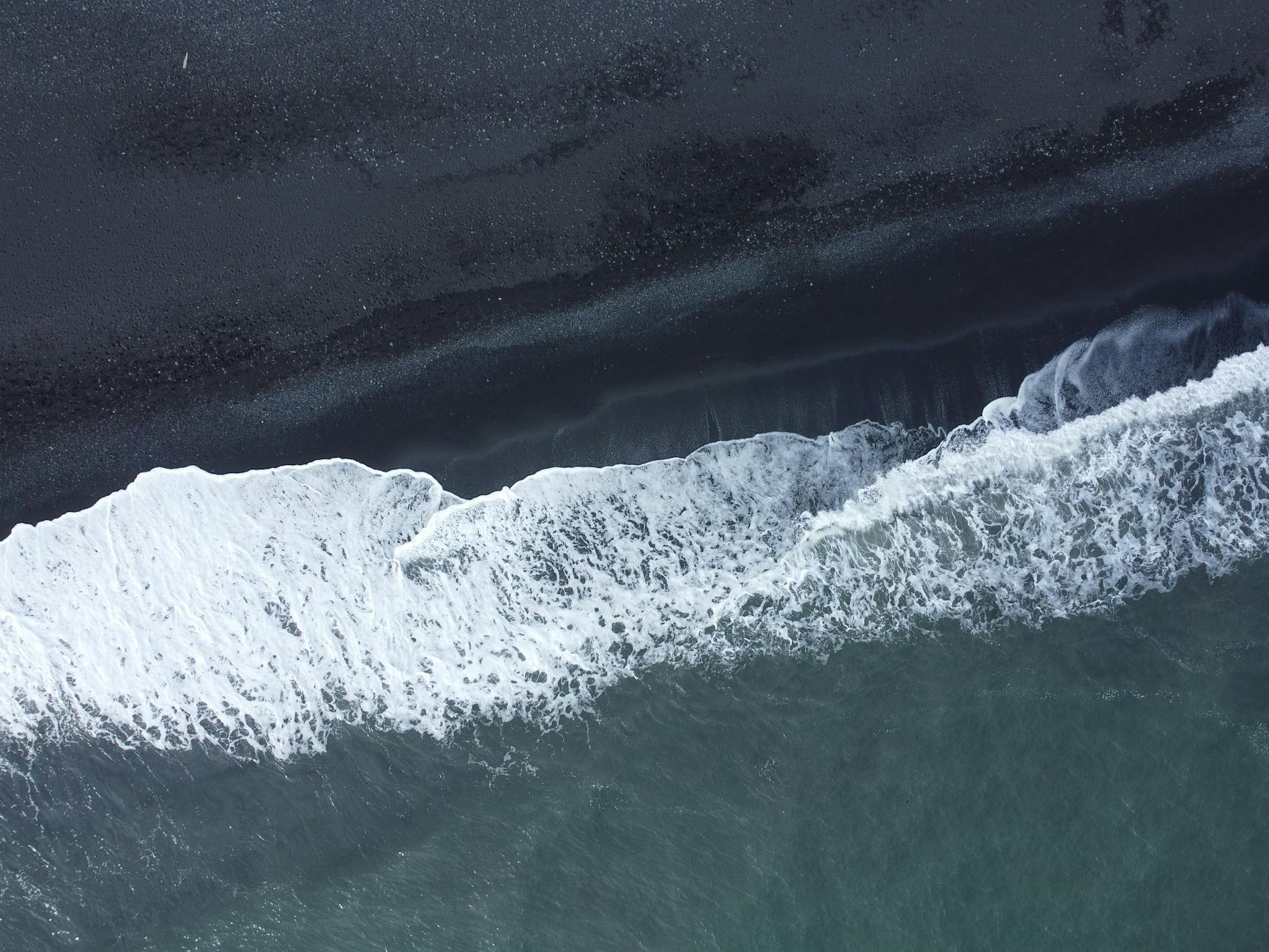
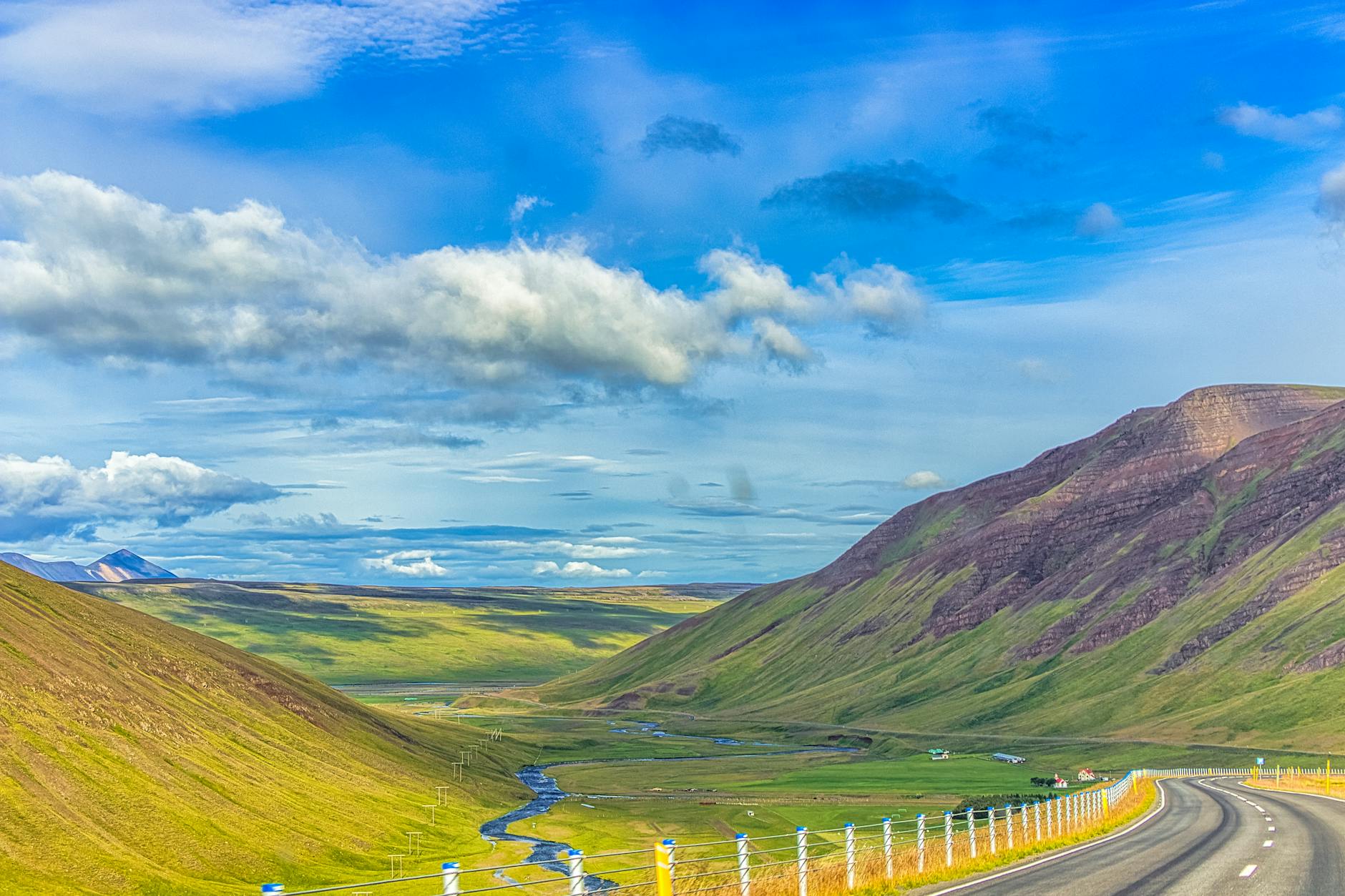
Black sand beaches, glaciers and the Ring Road. Iceland's most popular and well-serviced camping corridor.

📍 Skaftafell (Vatnajökull NP)📍 Vík campsite📍 Kirkjubæjarklaustur📍 Jökulsárlón area
Tip: Book Skaftafell campsite in advance — it fills every night in July.

Featured Campsites

Explore all South Iceland
North Iceland camping

📍 North Iceland

North Iceland Camping

North Iceland landscape

Geothermal wonders, whale watching capital and the Diamond Circle. Fewer crowds than the south, equally stunning.

📍 Mývatn campsite📍 Akureyri📍 Húsavík area📍 Dettifoss waterfall area
Tip: Bring midge repellent for the Mývatn area in summer — the midges are legendary.

Featured Campsites

Explore all North Iceland
Westfjords camping

📍 Westfjords

Westfjords Camping

Westfjords landscape

Iceland's most remote and dramatic fjord scenery. Very few tourists, stunning cliffs and extraordinary birdlife.

📍 Ísafjörður campsite📍 Patreksfjörður📍 Látrabjarg cliffs📍 Dynjandi waterfall
Tip: Roads in the Westfjords are mostly gravel mountain passes. Allow extra travel time.

Featured Campsites

Explore all Westfjords
Highlands camping

📍 Highlands

Highlands Camping

Highlands landscape

Iceland's last true wilderness. F-roads, river crossings and the most dramatic landscapes on earth.

📍 Landmannalaugar (hot spring)📍 Þórsmörk (glacier valley)📍 Kerlingarfjöll📍 Askja crater
Tip: 4WD is mandatory. Register your route at safetravel.is before entering the highlands.

Featured Campsites

Explore all Highlands
East Iceland camping

📍 East Iceland

East Iceland Camping

East Iceland landscape

Dramatic fjords, reindeer and the quietest stretch of the Ring Road. Locals still outnumber tourists here.

📍 Egilsstaðir (Ring Road hub)📍 Seyðisfjörður📍 Borgarfjörður Eystri📍 Lagarfljót lake
Tip: East Iceland is often skipped — which makes it perfect for travellers wanting peace and quiet.

Featured Campsites

Explore all East Iceland
West Iceland camping

📍 West Iceland

West Iceland Camping

West Iceland landscape

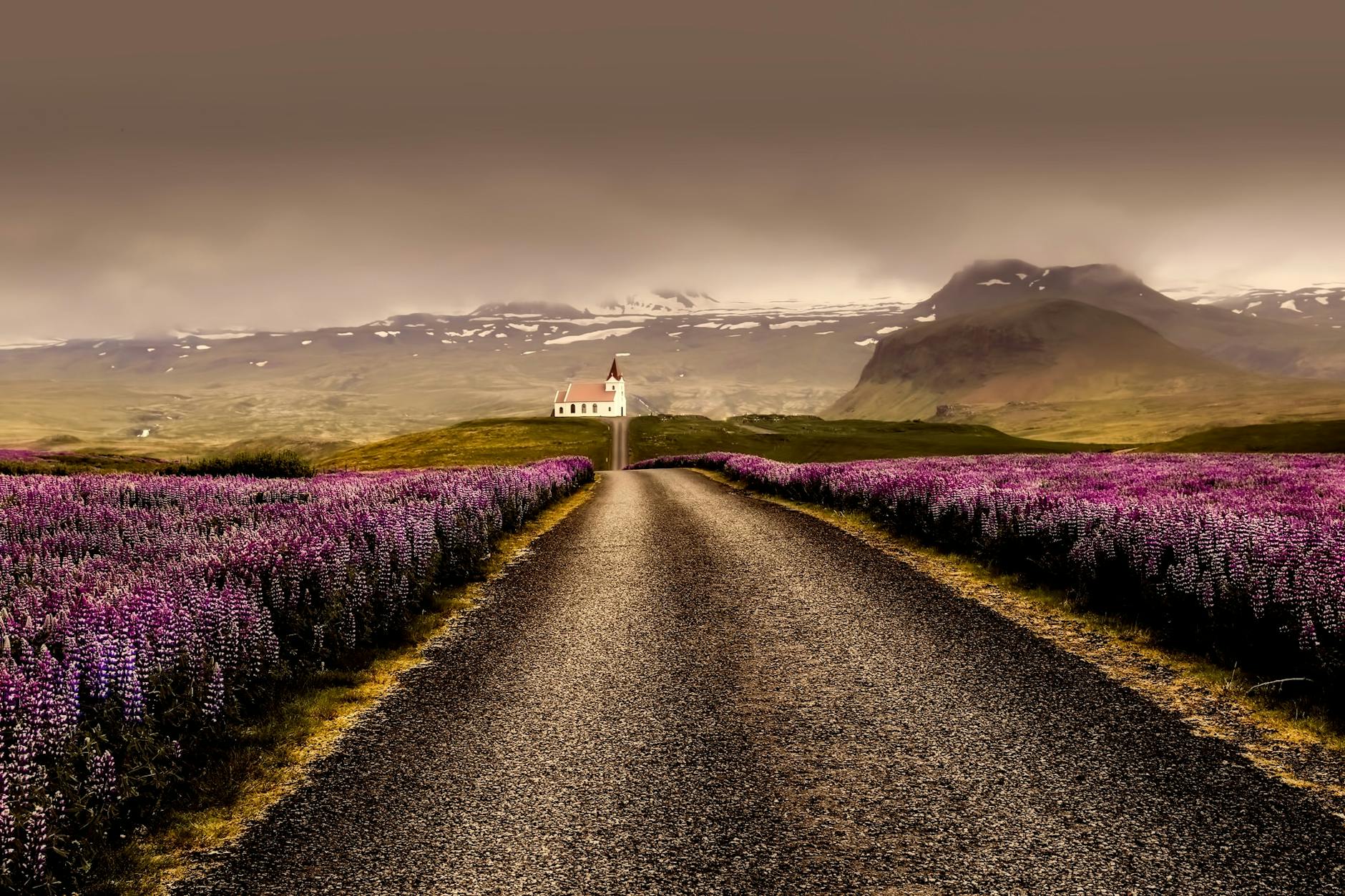
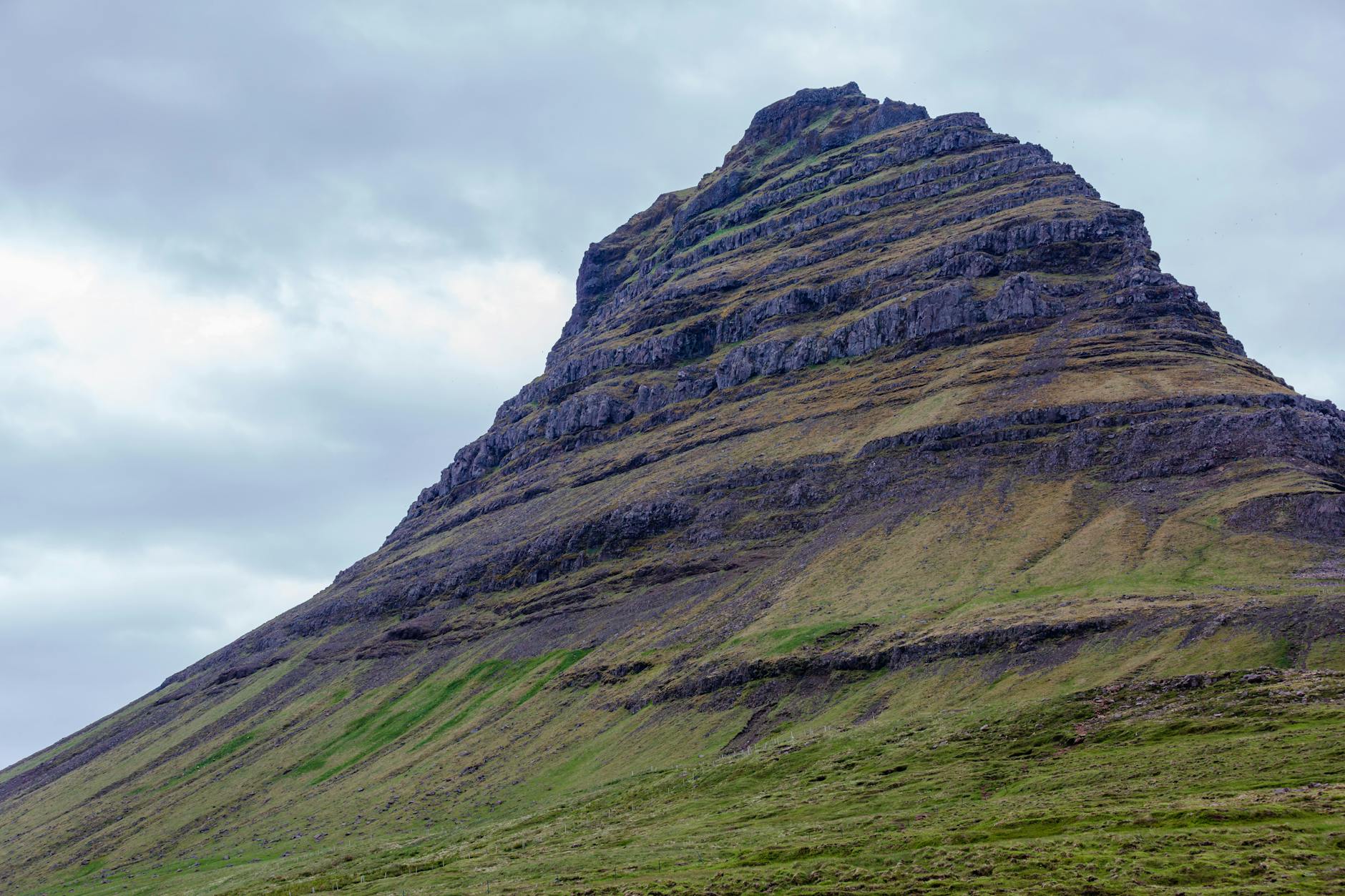
Snæfellsnes peninsula, Kirkjufell and the glacier immortalised in Journey to the Centre of the Earth.

📍 Ólafsvík campsite📍 Hellissandur📍 Arnarstapi area📍 Snæfellsjökull glacier
Tip: Kirkjufell mountain is most photogenic at dawn or dusk. Camp nearby for early access.

Featured Campsites

Explore all West Iceland
Iceland campsite map

Browse All 63+Campsites with GPS & Map

Filter by region, facilities and type. Full GPS coordinates included.

Open Campsite Directory →
SkógafossHornstrandirAskjaÞórsmörk

Frequently Asked Questions

The most common questions about camping in Iceland — answered.

Can you camp anywhere in Iceland?+

No. Since 2015, wild camping is banned on cultivated or private land and inside national parks. You must use designated campsites or get written permission from a landowner. Campervans and motorhomes must always stay in designated campsites — parking overnight on roadsides is illegal and fines apply.

Do campsites in Iceland have showers?+

Most established campsites have hot showers — a legacy of Iceland's strong outdoor culture. Expect to pay 200–400 ISK separately for a shower at smaller sites. Highland campsites (Landmannalaugar, Þórsmörk) have basic facilities with cold water only in some areas.

How much does it cost to camp in Iceland?+

Most campsites charge 1,500–3,500 ISK per person per night. The Camping Card (Tjaldferðakort, ~24,900 ISK) gives 28 nights at 170+ sites and pays for itself after 5–6 nights. Many national park campsites accept the Camping Card.

Is camping safe in Iceland?+

Yes — Iceland is one of the safest countries in the world. The main risks are weather-related: sudden storms, high winds and cold nights. Always check vedur.is for forecasts and safetravel.is for alerts before setting up camp. In the highlands, register your route at safetravel.is.

Can I camp in Iceland in winter?+

Technically yes, but most campsites close October–May and conditions are extreme. Winter camping in Iceland requires a 4-season tent, a subzero sleeping bag, experience in polar conditions and a solid understanding of local weather. Only recommended for experienced winter campers.

Are Highland (F-road) campsites accessible without a 4WD?+

No — the F-roads themselves require a high-clearance 4×4. However, highland buses run from Reykjavík daily in summer and you can reach most major highland campsites (Landmannalaugar, Þórsmörk, Kerlingarfjöll) without a car if you book the bus in advance.

Official Icelandic Sources

Guided Experiences

Tours & Day Trips in Iceland

Golden Circle, Northern Lights hunts, whale watching, glacier hikes, lava cave tours and more. Book with free cancellation — confirmed instantly.

Browse Tours →