
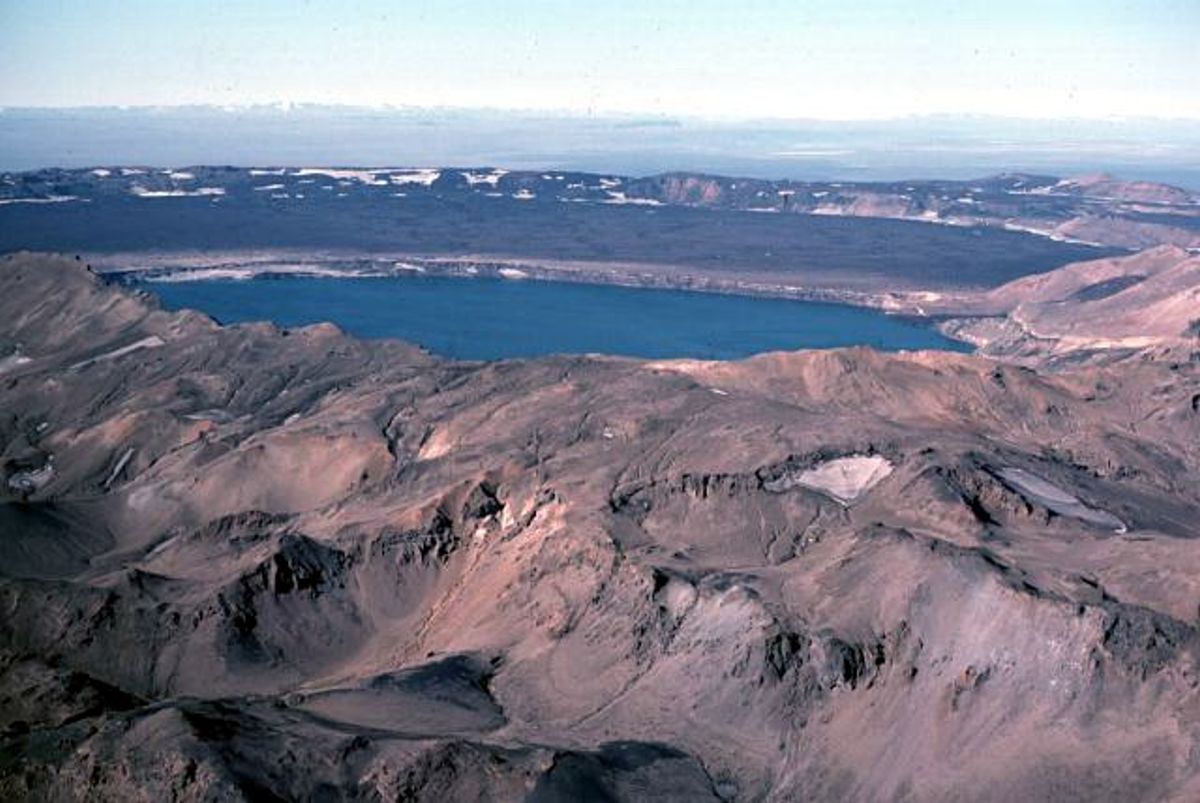
Caldera de Askja y Lago del Cráter Víti
Viaja a la Caldera de Askja y el Lago del Cráter Víti, una prominente maravilla geológica en las remotas tierras altas centrales de Islandia. Este poderoso volc…
At a Glance
Visit time
Allow 2-4 hours to explore the caldera and Víti Crater Lake once at the site.
Best season
Summer months (June-September) for best access to the remote highlands.
Access
Accessible by 4x4 vehicles, often requiring guided tours due to the remote, rugged highland terrain.
GPS
65.0467, -16.7259
About
About Caldera de Askja y Lago del Cráter Víti
Viaja a la Caldera de Askja y el Lago del Cráter Víti, una prominente maravilla geológica en las remotas tierras altas centrales de Islandia. Este poderoso volcán de las tierras altas cuenta con una enorme caldera y las impresionantes aguas geotérmicas de color azul lechoso del Lago del Cráter Víti, que una vez fue un campo de entrenamiento para astronautas de la NASA.
Witness the raw power of a remote highland volcano and the ethereal beauty of a geothermal crater lake.
Photos
Photo Gallery
Background
History & Background
La Caldera de Askja y el Lago del Cráter Víti son prominentes características geológicas, formadas por las poderosas fuerzas volcánicas características de las tierras altas centrales de Islandia. Esta enorme caldera, parte de la cordillera de Dyngjufjöll, es un testimonio de importantes erupciones pasadas, creando el dramático paisaje que se ve hoy. Su existencia como un remoto volcán de las tierras altas subraya su continua importancia geológica. Más allá de su formación natural, Askja ocupa un lugar único en la historia humana relacionado con la exploración espacial. El entorno accidentado y aislado del sitio, con sus vastas llanuras volcánicas y cráteres, fue reconocido por la NASA como un análogo ideal para la superficie lunar. En consecuencia, sirvió como un campo de entrenamiento crucial para los astronautas, incluidos aquellos que se preparaban para las misiones Apolo, permitiéndoles practicar el trabajo de campo geológico y la navegación en un entorno similar al extraterrestre antes de aventurarse a la luna.
La Caldera de Askja y el Lago del Cráter Víti representan la cúspide del dramático paisaje volcánico de Islandia, situados en lo profundo de las remotas tierras altas centrales. Esta prominente característica geológica, parte de la majestuosa cordillera de Dyngjufjöll, ofrece una experiencia inigualable para los aventureros que buscan el poder crudo y la belleza etérea de la tierra. En su corazón se encuentra una enorme caldera, la vasta depresión dejada por antiguas erupciones, un testimonio de las colosales fuerzas en juego bajo la superficie de Islandia. Dentro de esta inmensa caldera, el cautivador Lago del Cráter Víti atrae con sus distintivas aguas geotérmicas de color azul lechoso, una vista verdaderamente única que contrasta vívidamente con la roca volcánica oscura circundante. La calidez y el contenido mineral del lago contribuyen a su llamativo tono, convirtiéndolo en una maravilla fotográfica. Más allá de su esplendor natural, Askja tiene un capítulo fascinante en la historia humana. Su terreno accidentado y similar a la luna proporcionó un campo de entrenamiento ideal para los astronautas de la NASA. Antes de sus históricas misiones a la luna, estos exploradores perfeccionaron sus habilidades de observación geológica y movimiento en un entorno que imitaba de cerca la superficie lunar. Esta conexión única con la exploración espacial añade otra capa de intriga a un destino ya extraordinario. Visitar la Caldera de Askja y el Lago del Cráter Víti no es simplemente un viaje; es una inmersión en un paisaje que se siente tanto antiguo como futurista, un lugar donde la fuerza geológica del planeta está en plena exhibición y donde los sueños de alcanzar las estrellas una vez echaron raíces. El viaje a este remoto volcán de las tierras altas es una aventura en sí misma, recompensando a los visitantes con vistas impresionantes y un profundo sentido de conexión tanto con las poderosas fuerzas de la Tierra como con el espíritu pionero de la humanidad.
Folklore
Story & Folklore
Imagina estar al borde del mundo, donde la tierra respira con una fuerza inmensa. La Caldera de Askja, un colosal volcán de las tierras altas, domina las remotas tierras altas centrales de Islandia, anidada dentro de la majestuosa cordillera de Dyngjufjöll. Abajo, las aguas de color azul lechoso del Lago del Cráter Víti brillan, una joya geotérmica que contrasta con el austero paisaje volcánico. Esto no es solo una maravilla escénica; su terreno de otro mundo una vez resonó con los pasos de los astronautas, preparándose para viajes a la luna. Caminaron por estas llanuras desoladas y accidentadas, perfeccionando sus habilidades en un entorno que imitaba la superficie lunar. Visitar Askja es adentrarse en un paisaje de profundo drama geológico y ambición humana, donde las fuerzas brutas de la naturaleza se encuentran con los sueños de la exploración espacial, dejando una marca indeleble en el alma.
💡 Did You Know?
The remote and rugged landscape of Askja Caldera and Víti Crater Lake served as a critical training site for NASA astronauts preparing for lunar missions.
Local Legend
No specific local legend is provided in the research.
Based on the available research, no specific local legend or myth for Askja Caldera & Víti Crater Lake is known. The focus is on its geological significance and its role as a NASA astronaut training site.
Explore
Hidden Gems Nearby
✦ Best Time of Day
Visit this attraction during golden hour (the hour after sunrise or before sunset) for the most beautiful light.
Iceland's low-angle sunlight creates long shadows and warm colors that transform ordinary scenes into extraordinary ones.
✦ Local Knowledge
Ask locals for their favorite nearby spots — Icelanders are friendly and love sharing recommendations.
The best experiences often come from local tips about lesser-known viewpoints, cafés, or hidden natural features.
✦ Weather Changes
Don't leave if the weather is bad — wait 15 minutes and it often changes dramatically.
Iceland's rapidly changing weather can transform a gray scene into a spectacular display of light and clouds in minutes.
Help
Frequently Asked Questions
Location
📍 Location
Discover
Explore Nearby
Places from our database within 1.0 km — all data from Sanity
Loading nearby places…
0 places found within 1.0 km
Plan full itinerary →Explore More