Vatnsnes Peninsula
Wild coastal peninsula known for seal colonies and the Hvítserkur sea stack.
About
About Vatnsnes Peninsula
Wild coastal peninsula known for seal colonies and the Hvítserkur sea stack.
One of Iceland's best locations to observe seals in their natural habitat.
Background
History & Background
Vatnsnes has been inhabited since Iceland's settlement era, with several farms operating for over a millennium. The peninsula was an important maritime route and fishing area. Hvítserkur rock formation has long been part of local folklore, with legends claiming it's a petrified troll caught by sunrise while trying to demolish a nearby monastery. The rock's base was reinforced with concrete in the 1990s to prevent further erosion from ocean waves.
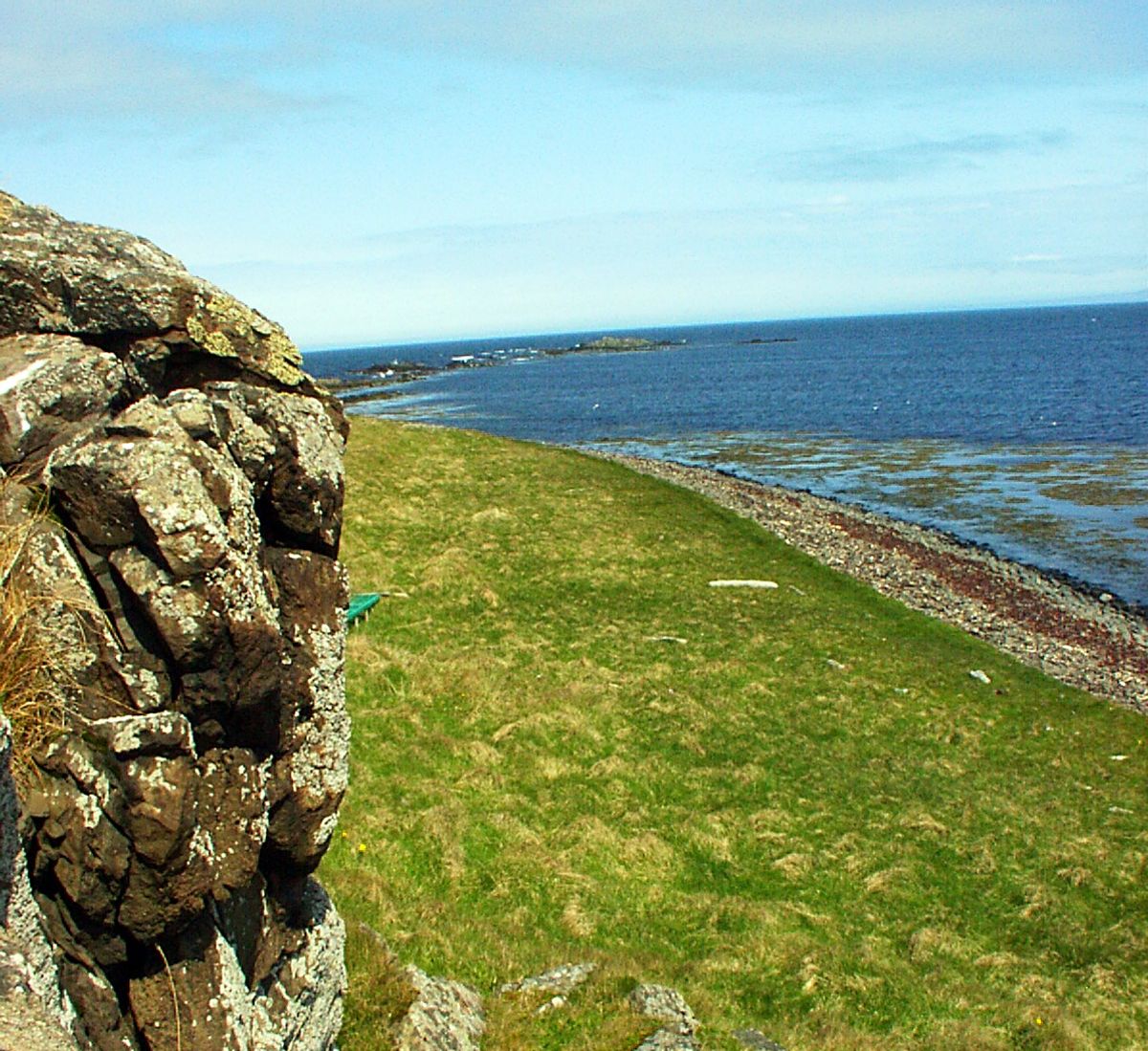
The Vatnsnes Peninsula is a remote and scenic region jutting into Húnaflói Bay in northwest Iceland, famous for its abundant seal population and the iconic Hvítserkur rock formation. The peninsula offers a quieter, less-touristed alternative to more popular destinations while providing excellent wildlife viewing opportunities. Grey and harbor seals can be observed year-round at several beaches, particularly at Ósar and Illugastaðir. Hvítserkur, a 15-meter basalt sea stack resembling a drinking dragon or troll, is the peninsula's most photographed feature. The area also has historical significance, with ruins of old farmsteads and turf houses scattered throughout. The coastal scenery includes black sand beaches, colorful rhyolite cliffs, and views across to the Westfjords. Birdlife is abundant, with Arctic terns, eiders, and various seabirds nesting along the coast.
Folklore
Story & Folklore
The Vatnsnes peninsula juts into Húnafjörður in North Iceland and is one of Iceland's best places to see Atlantic walruses — an almost accidentally discovered population that hauled out here in recent decades. The Ósar lagoon at the peninsula's tip is the primary haul-out site, with viewing platforms that bring you close without disturbing the animals. The peninsula also has one of Iceland's most photographed natural features: Hvítserkur, a 15-metre basalt sea stack rising from the tidal flats that resembles an elephant or a dragon depending on the angle. The cliff coastline is alive with seabirds, and the inland ridges give panoramic views of the fjord.
💡 Did You Know?
Hvítserkur is often called the dragon rock because of its shape.
Local Legend
Legends of Vatnsnes Peninsula Nature Area
Vatnsnes Peninsula Nature Area has been part of Icelandic folklore for generations. Local tales speak of hidden people (huldufólk) and other supernatural beings who inhabit the area. According to tradition, this place deserves respect and visitors should be mindful of the ancient spirits who call it home.
Explore
Hidden Gems Nearby
✦ Best Time of Day
Visit Vatnsnes Peninsula during golden hour (the hour after sunrise or before sunset) for the most beautiful light.
Iceland's low-angle sunlight creates long shadows and warm colors that transform ordinary scenes into extraordinary ones.
✦ Local Knowledge
Ask locals for their favorite nearby spots — Icelanders are friendly and love sharing recommendations.
The best experiences often come from local tips about lesser-known viewpoints, cafés, or hidden natural features.
✦ Weather Changes
Don't leave if the weather is bad — wait 15 minutes and it often changes dramatically.
Iceland's rapidly changing weather can transform a gray scene into a spectacular display of light and clouds in minutes.
Help
Frequently Asked Questions
Location
📍 Location
Discover
Explore Nearby
Places from our database within 1.0 km — all data from Sanity
Loading nearby places…
0 places found within 1.0 km
Plan full itinerary →Explore More