
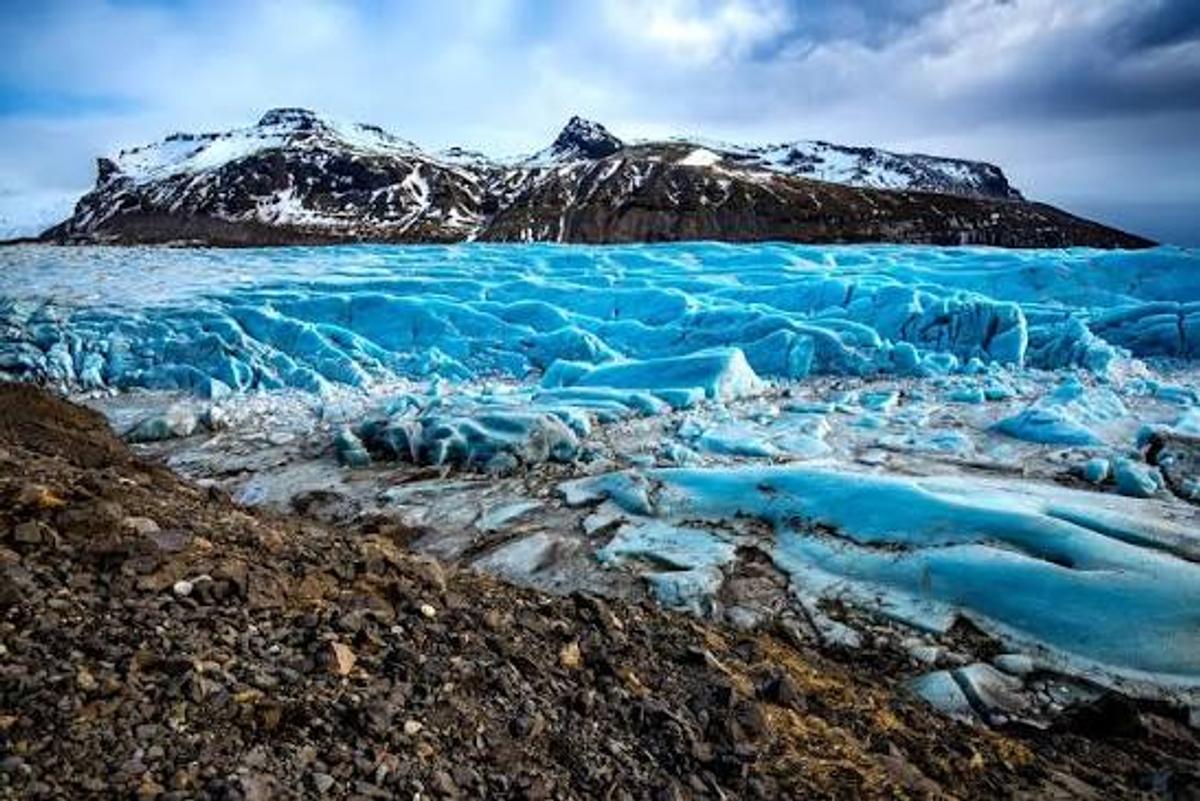
Vatnajökull Glacier
Iceland's largest ice cap, covering much of Southeast Iceland and several active volcanic systems.
At a Glance
Visit time
Hálfur dagur til nokkrir dagar, allt eftir áhuga á afþreyingu.
Best Season
Sumar (júní-ágúst) fyrir almenna könnun og gönguferðir, Vetrar (nóvember-mars) fyrir íshellakönnun.
Getting There
Malbikaður vegur, aðgengilegur með venjulegum bíl að helstu aðgangsstöðum (t.d. Jökulsárlón). Til að komast á jökulinn sjálfan þarf oft sérhæfð ökutæki og/eða leiðsögn.
GPS
64.4220, -16.7902
About
About Vatnajökull Glacier
Iceland's largest ice cap, covering much of Southeast Iceland and several active volcanic systems.
Explore stunning ice caves, hike on vast glaciers, witness active volcanoes beneath, and marvel at glacier lagoons.
Tours Near Vatnajökull Glacier
DT 322 Private Superjeep South Coast & Eyjafjallajökull Volcano Sights
Superjeep · 8 hours
South Coast Waterfalls, Glacier & Black Sand Beach Tour
BusTravel Iceland · 10 hours
South Coast Small Group Tour: Waterfalls, Glacier & Black Sand Beach
BusTravel Iceland · 10 hours
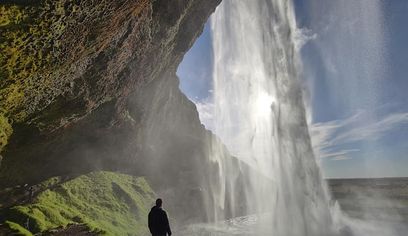
South Coast Waterfalls, Black Beach and Glacier Adventure | Small Group Day Tour
Nicetravel · 11 hours
Photos
Gallery
Background
History & Background
The origins of Vatnajökull trace back approximately 10,000 years, forming as the colossal Ice Age ice sheet began its retreat from the Icelandic landmass. Over millennia, this magnificent glacier, literally meaning "Glacier of Lakes" in Icelandic, has undergone continuous cycles of advancement and retreat, responding to the subtle yet profound shifts in global climate. Its immense size and structure are a testament to vast geological timescales and the enduring power of natural forces that have shaped the Icelandic landscape since the last glacial maximum. In more recent history, Vatnajökull's significance gained formal recognition with the establishment of Vatnajökull National Park in 2008. This landmark designation aimed to protect the glacier itself and its incredibly diverse surrounding ecosystems, which include active volcanic areas, geothermal hotspots, and unique flora and fauna. The park's international importance was further solidified in 2019 when it was inscribed as a UNESCO World Heritage site, acknowledging its exceptional natural beauty and its role as an outstanding example of the interplay between volcanic and glacial processes.
Vatnajökull covers roughly eight percent of Iceland and feeds numerous outlet glaciers around its margins. Beneath the ice are active volcanic systems, including Grímsvötn and Bárðarbunga, so interactions between ice, geothermal heat and eruptions can generate jökulhlaups. The glacier forms the core of Vatnajökull National Park, which is part of a UNESCO World Heritage property. Visitors should use qualified guides for glacier travel and check current conditions because crevasses, ice caves and access routes change continuously.
Did You Know?
Vatnajökull, literally "Glacier of Lakes," conceals several active volcanoes, including Grímsvötn, one of Iceland's most active, beneath its immense ice cap.
Explore
Hidden Gems Nearby
Fjallsarlon Glacier Lagoon
Often less crowded than its famous neighbor Jokulsarlon, Fjallsarlon offers equally stunning views of icebergs calving directly from the glacier front. You can take zodiac boat tours for a closer, more intimate experience.
Provides a quieter, more personal encounter with the glacier and its icebergs, often with fewer tourists.
Svinafellsjokull Glacier Tongue
A dramatic outlet glacier tongue easily accessible from the Ring Road near Skaftafell. Popular for short glacier hikes with guides.
Offers relatively easy access to walk on the glacier with a guide.
Help
Frequently Asked Questions
Location
Location
Discover
Explore Nearby
Places from our database within 5.0 km — all data from Sanity
Loading nearby places…
0 places found within 5.0 km
Plan full itinerary →Explore More