
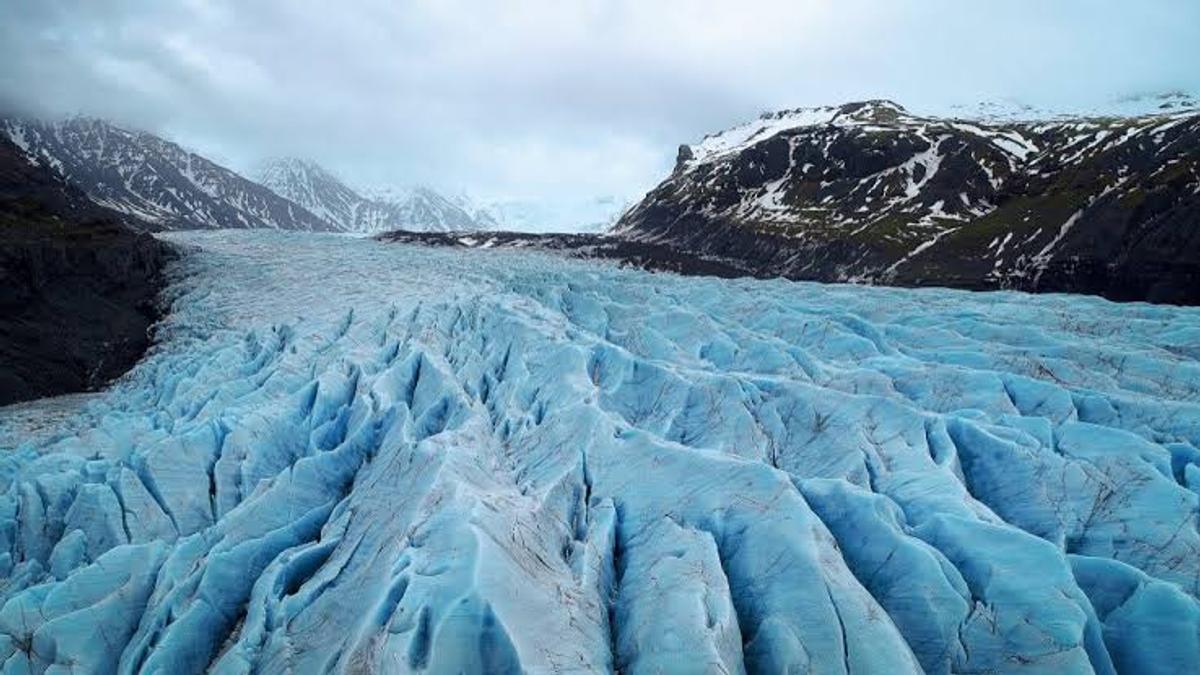
Vatnajökull National Park
UNESCO-listed national park protecting Vatnajökull and vast surrounding volcanic, glacial and wilderness landscapes across Iceland.
At a Glance
Visit time
At least half a day for one area; several days for broader exploration.
Best Season
Year-round in developed lowland areas; highland access is strongly seasonal.
Getting There
The park has multiple access points and visitor centres. Skaftafell is the main South Coast base; individual areas have different road and trail conditions.
GPS
64.0146, -16.9677
About
About Vatnajökull National Park
UNESCO-listed national park protecting Vatnajökull and vast surrounding volcanic, glacial and wilderness landscapes across Iceland.
Use one national park to connect many of Iceland's greatest glacier, volcano, waterfall and wilderness landscapes.
Tours Near Vatnajökull National Park

South Coast Tour - Black Sand Beach, Plane wreck, Skogafoss, Seljalandsfoss guided in Chinese冰岛南岸黑沙滩飞机残骸中文一日团
Magic Iceland Travel · 10 hours 30 minutes
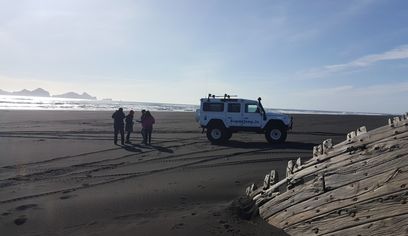
DT 322 Private Superjeep South Coast & Eyjafjallajökull Volcano Sights
Superjeep · 8 hours
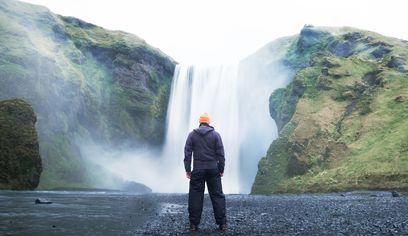
South Coast Waterfalls, Glacier & Black Sand Beach Tour
BusTravel Iceland · 10 hours
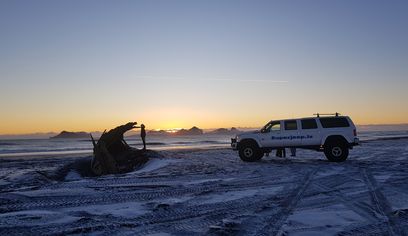
DT 402 Private Monster Truck South Coast & Eyjafjallajökull Volcano Sights
Superjeep · 8 hours
Photos
Gallery
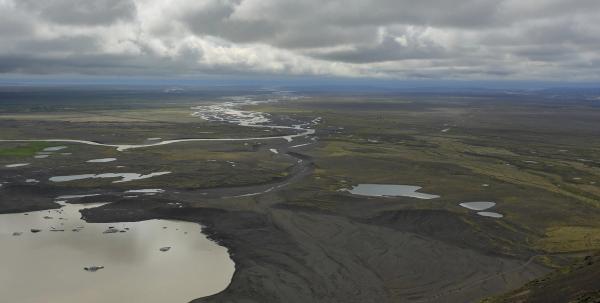
Vatnajökull National Park is one of Iceland's defining protected landscapes, encompassing the enormous Vatnajökull ice cap together with extensive volcanic, glacial, river and highland environments around it. The modern national park was established in 2008, incorporating earlier protected areas such as Skaftafell and Jökulsárgljúfur, and it now covers roughly 15% of Iceland. In 2019 the park was inscribed on the UNESCO World Heritage List for the exceptional interaction between glaciers and volcanic processes. For travellers on the South Coast, the park is encountered through major destinations such as Skaftafell, Jökulsárlón, outlet glaciers, black-sand outwash plains and mountain hiking areas. The scale of the park means it should never be planned as a single quick stop. Lowland visitor areas have established roads, trails and information centres, while large highland sections have limited services and seasonal access. Skaftafell is one of the most useful bases for visitors in southeast Iceland, with marked trails toward Svartifoss, Skaftafellsjökull, Morsárdalur and higher mountain routes. Always use the relevant visitor centre and current official information to choose routes appropriate to weather, road conditions and experience.
Did You Know?
Vatnajökull National Park covers around 15% of Iceland and includes both heavily visited lowland areas and vast uninhabited highlands.
Culture
Stories & Legends
Icelandic sagas and folklore from this area
Location
Location
Discover
Explore Nearby
Places within 5.0 km
Loading nearby places…
0 places found within 5.0 km
Plan full itinerary →Explore More