
Þykkvabæjarklaustur
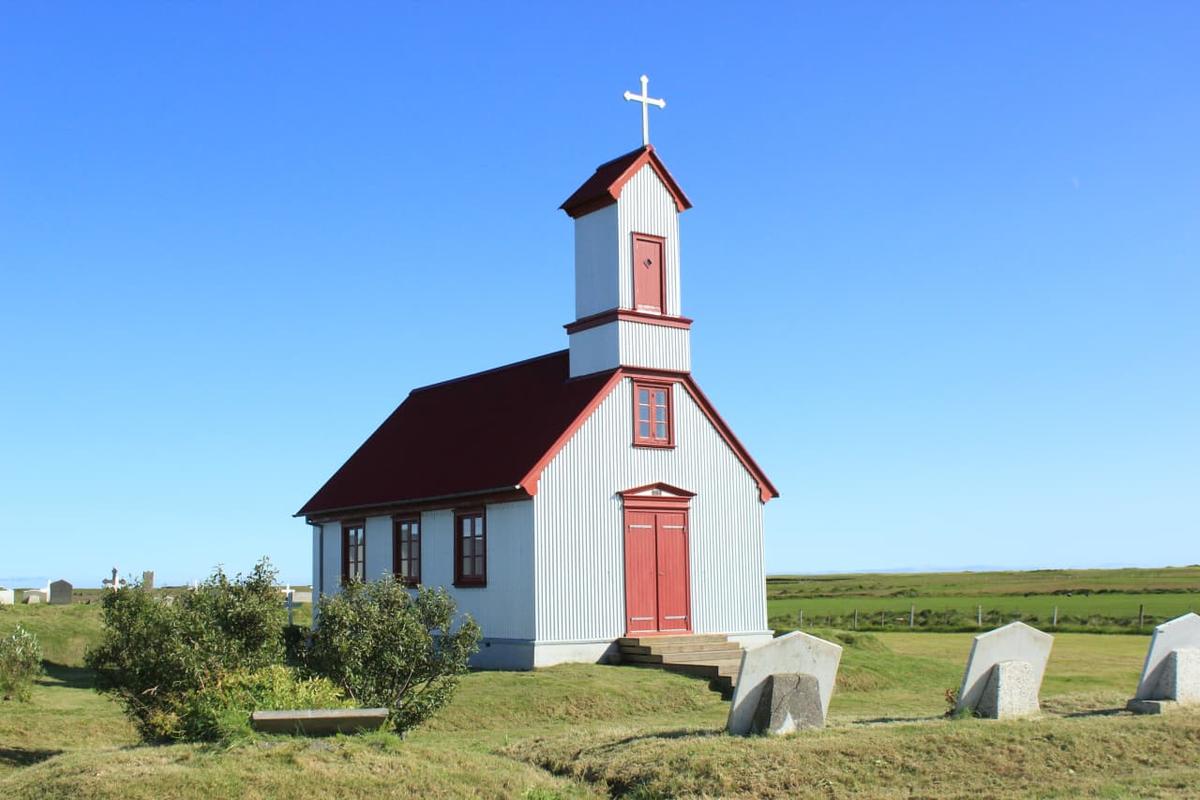
Historic Álftaver church and Augustinian monastery site founded in 1168.
About
About Þykkvabæjarklaustur
Historic Álftaver church and Augustinian monastery site founded in 1168.
Explore the tranquil grounds of a historic church and former monastery with a unique architectural style.
Tours Near Þykkvabæjarklaustur

South Coast Tour - Black Sand Beach, Plane wreck, Skogafoss, Seljalandsfoss guided in Chinese冰岛南岸黑沙滩飞机残骸中文一日团
Magic Iceland Travel · 10 hours 30 minutes
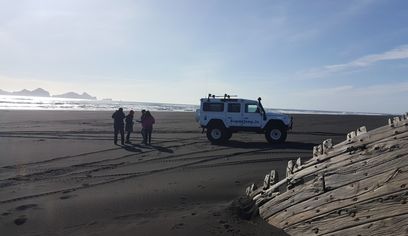
DT 322 Private Superjeep South Coast & Eyjafjallajökull Volcano Sights
Superjeep · 8 hours
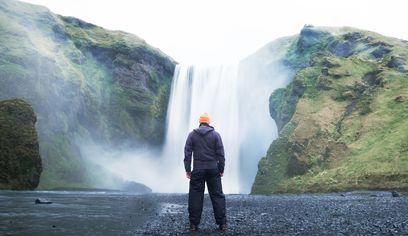
South Coast Waterfalls, Glacier & Black Sand Beach Tour
BusTravel Iceland · 10 hours
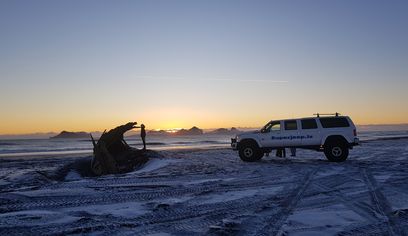
DT 402 Private Monster Truck South Coast & Eyjafjallajökull Volcano Sights
Superjeep · 8 hours
Photos
Gallery
Background
History & Background
The history of Þykkvabæjarklaustur is deeply rooted in Iceland's medieval religious landscape. The site first gained prominence in 1168 with the establishment of a Catholic monastery, which served as a significant spiritual and cultural center in the region until the Reformation. Monastic life here fostered intellectual pursuits, and it was within these walls that Eysteinn Ásgrímsson, a monk in the 14th century, wrote 'Lilja,' a sacred poem considered one of the most famous medieval hymns in Iceland. While the original monastery no longer stands, its legacy endures. A basalt column has been erected to mark the believed location of the former monastic buildings, inviting visitors to reflect on the long history of the place. Archaeological surveys conducted in 1990 have documented the remains of structures, including foundations known as 'Fornufjós' (old cowshed) and an ancient sheep house, providing tangible links to the past settlement. Today, the charming church continues the site's long tradition as a place of worship. The churchyard further enriches the historical narrative with the 'Abbot's Stone' (ábótasteinn), a legendary artifact that connects local folklore with the monastery's past, adding a layer of mysticism to this already significant historical landmark.
Þykkvabæjarklaustur in Álftaver was the site of an Augustinian monastery founded in 1168. The monastery became an important religious, educational and agricultural centre before closing during the Reformation. Archaeological research has identified substantial remains connected with the medieval complex, while a church continues the religious history of the locality. The monastery story should be distinguished from Þykkvabæjarkirkja in Rangárþing ytra, which is a different church far to the west.
Folklore
Story & Folklore
Under the vast, clear Icelandic sky, the little church of Þykkvabæjarklaustur stands sentinel, its bright red roof and white corrugated walls a striking contrast to the green fields. But this peaceful scene belies a rich, ancient history. Imagine the year 1168, when this very spot became home to a bustling Catholic monastery, a spiritual and intellectual hub in medieval Iceland. Monks walked these grounds, their chants echoing across the plains. One such monk, Eysteinn Ásgrímsson, penned 'Lilja,' a masterpiece of medieval Icelandic poetry, right here in the 14th century. The monastery flourished until the Reformation, leaving behind a legacy that whispers through the winds. Today, as you stand by the church, surrounded by ancient gravestones and the remnants of old structures, you can almost feel the presence of those who lived, prayed, and created in this remarkable place, a true testament to Iceland's enduring spirit.
Did You Know?
Did you know Þykkvabæjarklaustur was once a Catholic monastery, home to Eysteinn Ásgrímsson, who composed 'Lilja,' one of Iceland's most famous medieval religious poems?
Explore
Hidden Gems Nearby
The Abbot's Stone (ábótasteinn)
Located in the churchyard, this legendary stone is steeped in local folklore. It's said that if it sinks into the earth and is then lifted, a whale will beach on the monastery's shores.
Offers a unique glimpse into local myths and the historical connection to the monastery.
Basalt Column Site
A striking basalt column marks the believed original location of the Þykkvabæjarklaustur monastery, founded in 1168.
Provides a tangible link to the medieval monastic past and offers a quiet spot for reflection.
Archaeological Ruins (Fornufjós & Old Sheep House)
Explore the subtle remnants of the 'Fornufjós' (old cowshed) and an ancient sheep house, documented in 1990 archaeological records, hinting at the daily life of the former monastery.
Discover the physical traces of medieval settlement and imagine the historical daily routines.
Help
Frequently Asked Questions
Location
Location
Discover
Explore Nearby
Places within 5.0 km
Loading nearby places…
0 places found within 5.0 km
Plan full itinerary →Explore More