
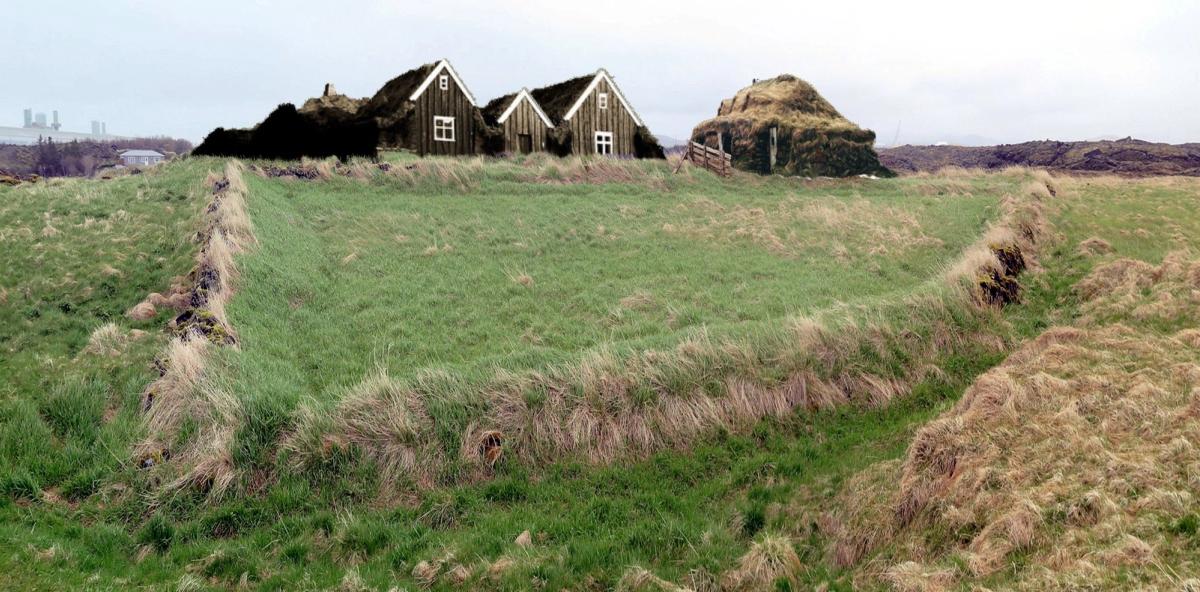
Þorbjarnarstaðaborg
Step back in time at Þorbjarnarstaðaborg, ancient turf house ruins nestled in a verdant Icelandic landscape.
About
About Þorbjarnarstaðaborg
Step back in time at Þorbjarnarstaðaborg, ancient turf house ruins nestled in a verdant Icelandic landscape.
To walk among the echoes of Iceland's first settlers and visualize their extraordinary turf-walled existence.
Tours Near Þorbjarnarstaðaborg
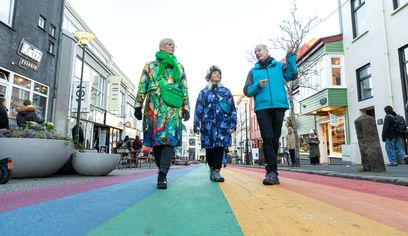
Private Reykjavik LGBTQ+ City Walk
Your Friend in Reykjavik · 3 hours
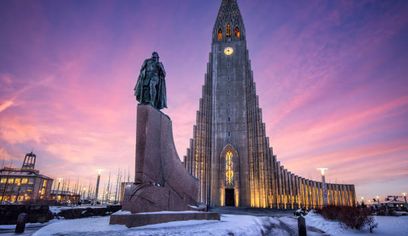
Private Reykjavik City Tour
Icelimo Luxurytravel · 4 hours
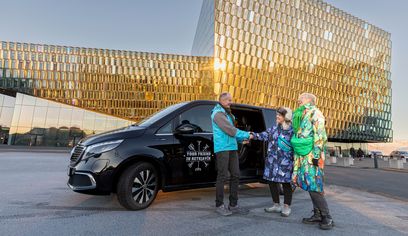
Private 3 hour Reykjavik Driving Tour
Your Friend in Reykjavik · 3 hours
Private Reykjavik Shopping & Sightseeing Walking Tour
Your Friend in Reykjavik · 3 hours
Photos
Gallery
Background
History & Background
Iceland's human history began in the 9th century with the arrival of Norse Vikings, who brought with them their traditions and a remarkable ability to adapt to new environments. Faced with a treeless landscape and harsh subarctic conditions, they developed the iconic turf house (torfbær), an ingenious architectural solution that utilized readily available materials: turf, stone, and driftwood. These homes, often built into hillsides for added insulation, were central to Icelandic life for over a thousand years. Life on these turf-walled farms, such as the one at Þorbjarnarstaðaborg, was intimately connected to the land. Families relied on livestock, particularly sheep, for wool, meat, and milk, and supplemented their diets with fishing. Winters were long and challenging, making community and self-sufficiency paramount. Each farm was a self-contained unit, a testament to the resilience and resourcefulness of the early Icelanders. Þorbjarnarstaðaborg preserves the memory of this foundational way of life. While only the earthen foundations and outlines remain, they offer a tangible link to a past where every stone and every layer of turf told a story of survival and heritage. Exploring these ruins allows visitors to step into the footsteps of generations past and gain a profound appreciation for the enduring spirit of Iceland.
Þorbjarnarstaðaborg stands as a poignant reminder of Iceland's deep historical roots, offering an immersive journey back to the age of the Norse settlers. Nestled within a landscape of rolling green and golden grasses, these historic ruins represent the foundations of traditional Icelandic turf houses, an architectural marvel perfectly adapted to the island's unique climate. As you wander through the site, you'll observe the distinct rectangular outlines of former structures, now gentle undulations in the earth, overgrown with resilient grasses. These aren't just remnants; they are the silent witnesses to a millennium of human habitation. The image reveals what appear to be beautifully reconstructed or preserved turf houses in the background, complete with their characteristic dark wooden gables and white window frames, providing a vivid illustration of what life would have been like here. To their right, a large turf-covered mound suggests a storage area or another type of dwelling, further enriching the historical tapestry. The juxtaposition of these ancient forms against the modern industrial structures faintly visible in the far distance underscores the passage of time and Iceland's evolving story. A visit here is an invitation to slow down, to feel the connection to the land, and to imagine the daily routines of those who first tamed this rugged island. It's a place to reflect on the ingenuity and perseverance of the Icelandic people, who relied on sheep, fishing, and strong community bonds to thrive. Wear sturdy walking shoes, bring a camera to capture the serene beauty, and allow yourself to be transported to a bygone era where survival was an art and the earth itself provided shelter.
Folklore
Story & Folklore
Imagine a time when the first Norse settlers arrived on these shores, driven by a spirit of adventure and survival. At Þorbjarnarstaðaborg, you can almost hear the whispers of their lives among the ancient turf foundations. Picture families huddling within sturdy, earth-insulated homes, similar to the reconstructed ones visible in the distance, their days dictated by the rhythm of the seasons. They tended sheep on the very fields you now traverse, fished the bountiful waters, and built communities that defied the harsh Arctic environment. The distinct rectangular outlines of turf walls, now covered in lush green and golden grasses, mark where generations lived, loved, and endured. This site isn't just a collection of ruins; it's a profound narrative of human resilience, a tangible link to Iceland's foundational heritage, inviting you to step into a thousand-year-old story.
Did You Know?
Did you know that traditional Icelandic turf houses, like those once standing here, were incredibly energy-efficient, using the earth as insulation against harsh Arctic winters?
Explore
Hidden Gems Nearby
The nearby modern geothermal plant
Just beyond the ancient ruins, a modern geothermal power plant stands, symbolizing Iceland's journey from ancient survival to modern sustainability. It's a striking contrast of past and present innovation.
It offers a fascinating juxtaposition of historical and contemporary Icelandic ingenuity.
The distinct turf-lined enclosure
Beyond the main house foundations, look for the well-preserved turf-lined enclosure in the foreground, showing the boundaries of ancient fields or animal pens. It offers insight into the farm's layout.
It provides a clearer understanding of the daily operations and organization of an ancient farm.
Panoramic views of the Reykjanes Peninsula
From this elevated spot, enjoy sweeping views across the rugged Reykjanes Peninsula, a landscape shaped by volcanic activity and millennia of human history. The vastness adds perspective to the small settlement.
The views offer a broader context of the environment the settlers adapted to.
Help
Frequently Asked Questions
Location
Location
Discover
Explore Nearby
Places within 5.0 km
Loading nearby places…
0 places found within 5.0 km
Plan full itinerary →Explore More