
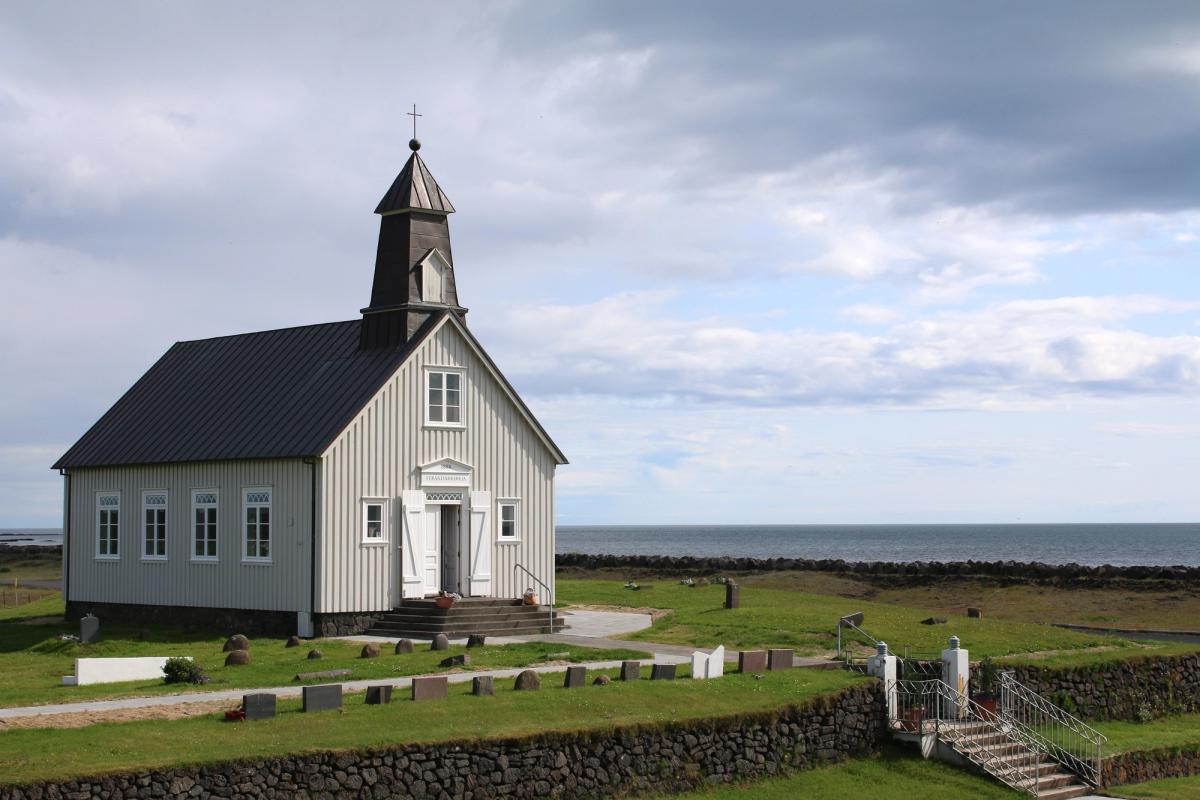
Strandarkirkja Miracle Church
Historic seaside church in Selvogur known as the Miracle Church.
About
About Strandarkirkja Miracle Church
Historic seaside church in Selvogur known as the Miracle Church.
Visit a distinctive coastal church with one of South Iceland's best-known local traditions.
Tours Near Strandarkirkja Miracle Church

South Coast Tour - Black Sand Beach, Plane wreck, Skogafoss, Seljalandsfoss guided in Chinese冰岛南岸黑沙滩飞机残骸中文一日团
Magic Iceland Travel · 10 hours 30 minutes

DT 322 Private Superjeep South Coast & Eyjafjallajökull Volcano Sights
Superjeep · 8 hours

South Coast Waterfalls, Glacier & Black Sand Beach Tour
BusTravel Iceland · 10 hours
South Coast Small Group Tour: Waterfalls, Glacier & Black Sand Beach
BusTravel Iceland · 10 hours
Photos
Gallery
Background
History & Background
The history of Strandarkirkja, also known as the 'Miracle Church' (Kraftaverkakirkjan), is intrinsically linked to a powerful legend of divine intervention. Situated in Selvogur on the southern coast of Iceland, this significant Lutheran parish church is said to have been founded by shipwrecked sailors. According to the enduring legend, these mariners, facing certain doom in a fierce storm, vowed to build a church on the first land they safely reached if their lives were spared. Their prayers were answered, and they were miraculously guided ashore. In fulfillment of their sacred promise, they erected Strandarkirkja, making it a living testament to their survival and the divine grace they experienced. This legendary origin has cemented Strandarkirkja's place in Icelandic lore and history, making it a unique and revered site that continues to attract those interested in its spiritual and historical narrative.
Strandarkirkja is a parish church in the sparsely settled Selvogur coastal landscape. Its reputation as the Miracle Church comes from a long-standing local tradition about sailors promising to build a church after being guided safely to shore. The story is part of the church's cultural heritage and should be understood as tradition rather than documented proof of a miraculous event.
Did You Know?
Strandarkirkja is often called 'Kraftaverkakirkjan,' or the 'Miracle Church,' for its legendary origins.
Explore
Hidden Gems Nearby
Saga Connections
Research which Icelandic sagas mention this area before your visit to this attraction.
Reading the relevant saga passages brings the site alive and connects you to events that happened here over 800 years ago.
Landscape Reading
Try to imagine what this place looked like during the settlement era — fewer roads, more birch forests, similar mountains.
The natural landmarks remain largely unchanged, meaning you're seeing much of what the original settlers saw.
Local Heritage Centers
Nearby heritage centers or information boards often have additional context about the site.
Local communities preserve detailed knowledge about their area's history that enhances your understanding.
Help
Frequently Asked Questions
Location
Location
Discover
Explore Nearby
Places within 5.0 km
Loading nearby places…
0 places found within 5.0 km
Plan full itinerary →Explore More