
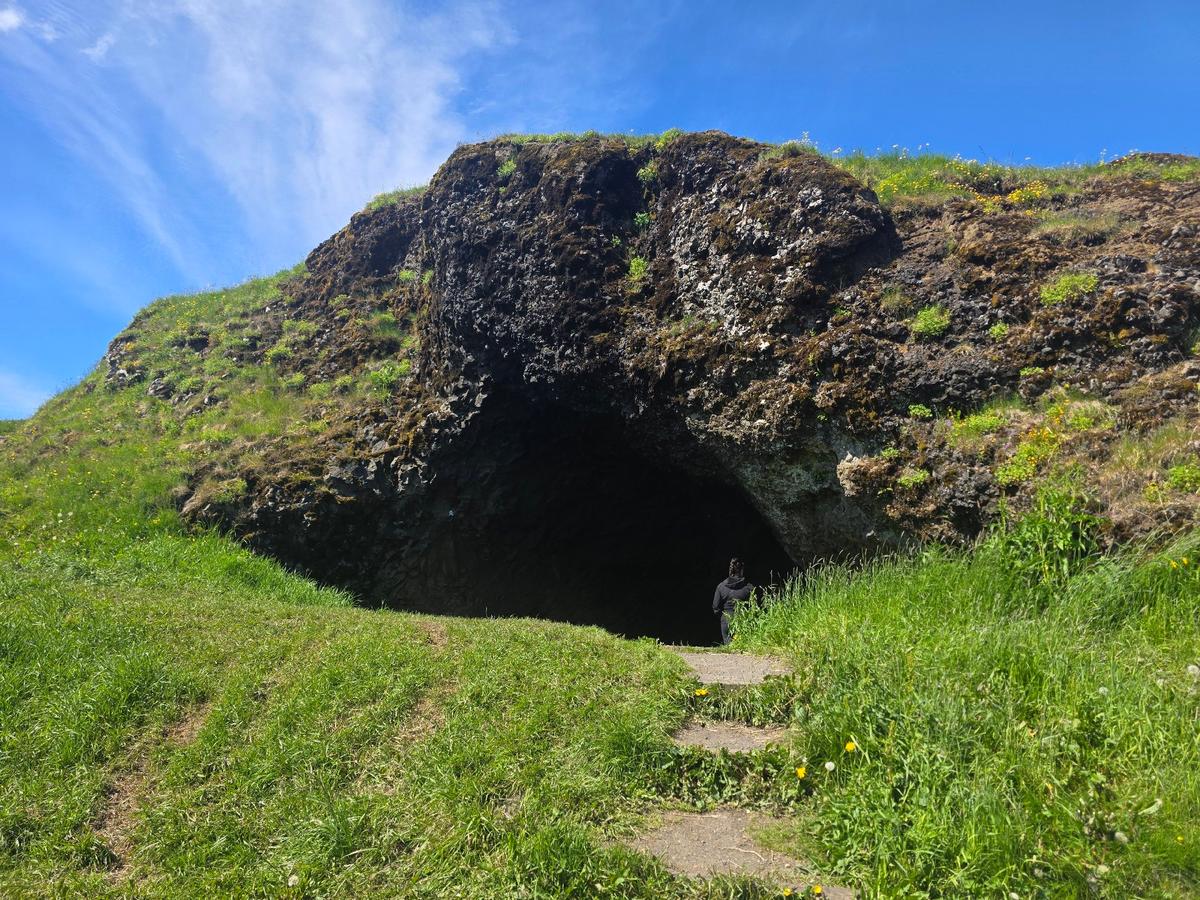
Stórihellir
Large cave in the Fljótshlíð area with a long local history of practical use.
About
About Stórihellir
Large cave in the Fljótshlíð area with a long local history of practical use.
A local historic cave that illustrates the long practical use of caves in South Iceland's farming landscape.
Tours Near Stórihellir
DT 322 Private Superjeep South Coast & Eyjafjallajökull Volcano Sights
Superjeep · 8 hours
South Coast Waterfalls, Glacier & Black Sand Beach Tour
BusTravel Iceland · 10 hours
South Coast Small Group Tour: Waterfalls, Glacier & Black Sand Beach
BusTravel Iceland · 10 hours
South Coast Waterfalls, Black Beach and Glacier Adventure | Small Group Day Tour
Nicetravel · 11 hours
Photos
Gallery
Background
History & Background
Stórihellir holds a significant place in Icelandic history, primarily known as a long-standing shelter for both people and livestock. For centuries, its vast interior provided refuge from the harsh Icelandic weather, making it an invaluable resource for local farmers and travelers in the Fljótshlíð region. The cave's strategic location and impressive size made it an ideal natural haven. Beyond its practical use, Stórihellir is also believed to have served as a church in ancient times, particularly during periods when formal churches were scarce or inaccessible. This suggests a deeper cultural and spiritual significance, highlighting its role as a central gathering point for the community. Archaeological findings and local folklore further underscore its importance in the lives of early Icelandic settlers. Today, the cave stands as a natural monument, offering a tangible link to Iceland's past. Exploring its cool, dark chambers allows visitors to step back in time and imagine the lives of those who sought shelter within its moss-covered walls, providing a profound connection to the island's rich heritage.
Stórihellir is a substantial cave in Fljótshlíð. The site belongs to a South Iceland landscape where caves were historically used for shelter, storage and livestock, but the current record does not provide enough source detail to present specific claims of settlement-age occupation or use as a church as established fact. Visitors should treat it as a local historic cave and confirm access before entering private or managed land.
Did You Know?
Stórihellir is one of the largest and most historically significant caves in the Fljótshlíð area, believed to have housed people for centuries.
Explore
Hidden Gems Nearby
Nearby hiking trails
Explore the surrounding Fljótshlíð valley, offering stunning views of volcanoes and glaciers like Eyjafjallajökull.
Provides breathtaking panoramic views and a deeper connection to the Icelandic landscape.
Gljúfrabúi Waterfall
A lesser-known waterfall hidden within a gorge, offering a unique and mystical experience just a short drive away.
Offers a magical, secluded waterfall experience, often less crowded than Seljalandsfoss.
Help
Frequently Asked Questions
Location
Location
Discover
Explore Nearby
Places from our database within 5.0 km — all data from Sanity
Loading nearby places…
0 places found within 5.0 km
Plan full itinerary →Explore More