
Stakkar
Dramatic sea stacks, natural arches, and a captivating sea cave await on Rauðanes peninsula.
At a Glance
Visit time
Allow 2-3 hours to complete the Stakkar section of the Rauðanes trail and fully appreciate the formations.
Best Season
Late Spring to Early Autumn (May-September) for hiking and birdwatching. Sunny days for best views.
Getting There
Accessible via a marked hiking trail on Rauðanes peninsula. The trail itself is generally well-maintained but can be uneven and rocky in places. Parking available at the trailhead.
GPS
66.2672, -15.6892
About
About Stakkar
Dramatic sea stacks, natural arches, and a captivating sea cave await on Rauðanes peninsula.
Witness unique coastal geology, including sea stacks and natural arches, amidst breathtaking North Icelandic scenery.
Tours Near Stakkar
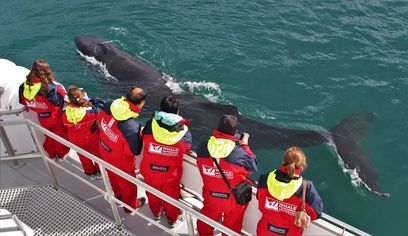
Akureyri Classic Whale Watching
Elding Adventure at Sea · 3 hours
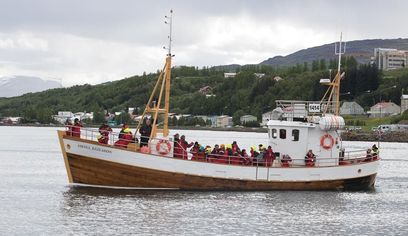
Whale Watching Tour w/ Transfer from Akureyri
Keli sea tours ehf · 4 hours
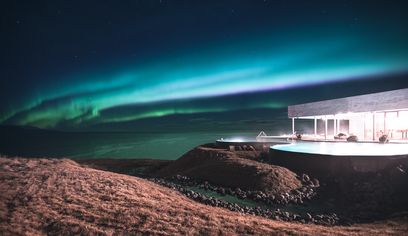
Northern Lights & GeoSea Geothermal Baths Tour (From Akureyri)
Imagine Iceland Travel · 5 hours
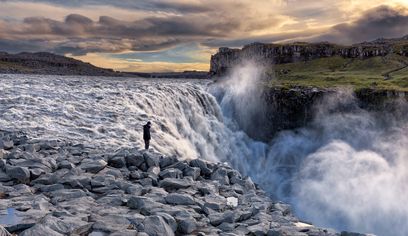
Dettifoss Waterfall, Ásbyrgi and Lake Mývatn - Shore Excursion from Húsavík
BusTravel Iceland · 5 hours 30 minutes
Photos
Gallery
Background
History & Background
The history of Stakkar is etched into its very rock, a chronicle of Iceland's dynamic geological forces. These dramatic coastal features, including the sea stacks and the renowned Gatastakk, are products of both ancient volcanic activity and subsequent millennia of relentless erosion by the elements. Initially, the landscape was shaped by volcanic eruptions, where molten magma intruded into existing rock formations. In the case of Gatastakk, magma flowed into crevices within softer geological layers, solidifying to form incredibly durable igneous dikes. Over countless years, the softer surrounding material succumbed to the abrasive power of wind, rain, and the powerful North Atlantic waves, gradually weathering away. What remains today are the harder, more resistant volcanic dikes, standing as majestic sea stacks and intricately carved arches and sea caves. This ongoing process continues to sculpt the coastline, making Stakkar a living testament to Iceland's geological evolution and the timeless battle between land and sea.
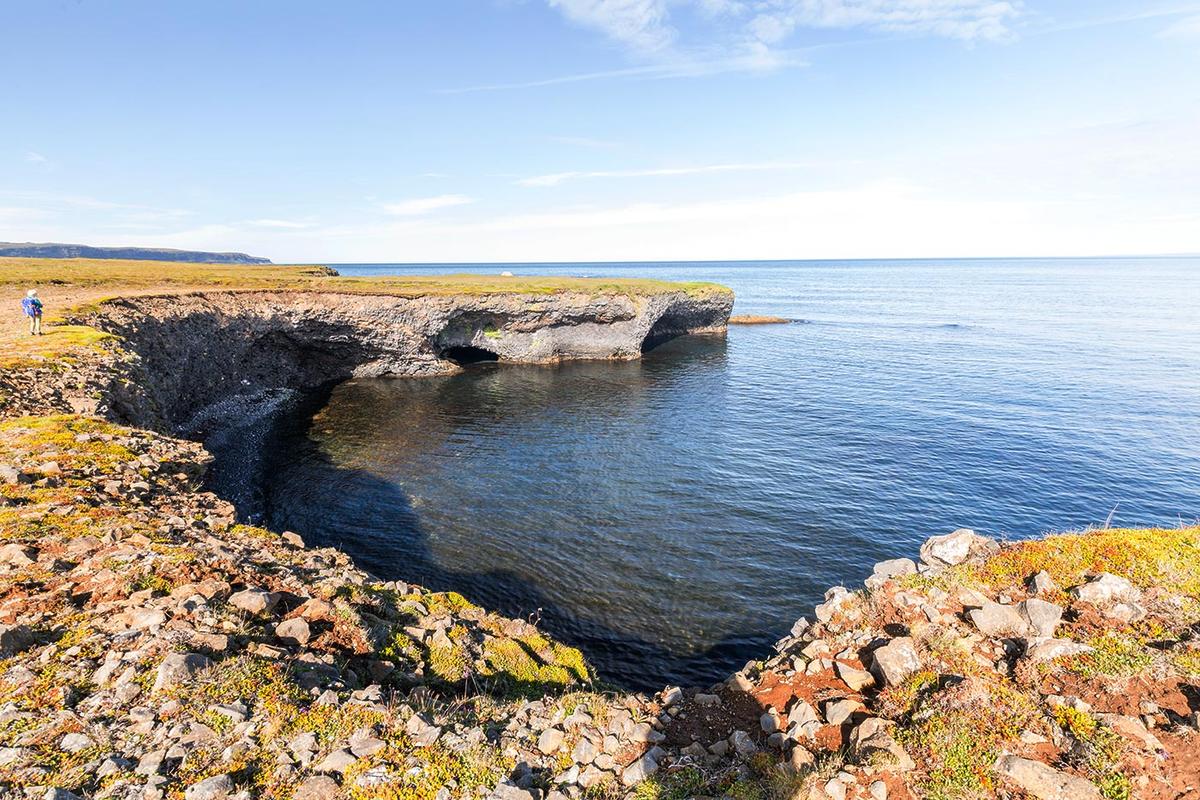
Stakkar, nestled on the wild Rauðanes peninsula in Þistilfjörður, North Iceland, is a testament to the powerful interplay of volcanic activity and relentless erosion. It is one of the many captivating stops along a scenic 7 km marked hiking trail that winds its way through this beautiful and distinctive natural wonderland. The name 'Stakkar' refers primarily to two towering sea stacks that majestically rise from the ocean on the northern side of the peninsula, visible from the clifftops. But the true marvels extend to the dramatic cliff faces, where the ocean has meticulously carved out impressive sea caves and natural arches. The image captures one such breathtaking sea cave, where dark rock plunges into the clear, deep blue waters, revealing the underwater landscape near the shore. The rugged clifftops are adorned with hardy, low-lying vegetation in shades of green and reddish-brown, creating a striking contrast with the dark rock and azure sea. Among these formations is the intriguing Gatastakk, a uniquely shaped rock formation often appearing as a natural arch or a pillar with a distinct opening. Its formation is a geological marvel: during ancient volcanic eruptions, magma flowed into fissures within softer surrounding rock, solidifying into hard dikes. Over millennia, the softer earth weathered away, leaving these resilient volcanic intrusions standing tall and exposed, sculpted further by wind and waves. Visiting Stakkar offers not just a glimpse into Iceland's profound geological past but also an opportunity for a invigorating coastal hike, surrounded by the raw beauty of the North Atlantic. Keep an eye out for diverse birdlife, which often nests on these inaccessible cliffs and stacks. The clear water and dramatic rock formations make for incredible photographic opportunities, especially on a bright, sunny day like the one depicted in the image.
Folklore
Story & Folklore
The wind carried the scent of the sea as I ventured along the marked trail on Rauðanes peninsula. Ahead, the rugged coastline revealed its secrets: Stakkar. Two colossal sea stacks stood sentinel against the vast expanse of the Arctic Ocean, their dark forms contrasting with the brilliant blue sky. Further along, the path dipped towards the edge of a dramatic inlet, where the ocean had sculpted a magnificent sea cave into the cliff face. The water within was incredibly clear, reflecting the ancient rock formations. I could almost hear the echoes of ancient volcanic eruptions and the ceaseless rhythm of the waves that tirelessly shaped this landscape. A lone figure in the distance provided scale, emphasizing the sheer grandeur of this natural amphitheater. It felt like stepping into a living geological museum, a testament to Iceland's raw, untamed power.
Did You Know?
Did you know Gatastakk, one of Stakkar's unique rock formations, was created when magma solidified in cracks within softer rock, which then eroded away over time, leaving the harder volcanic dike standing alone?
Explore
Hidden Gems Nearby
Rauðanes Hiking Trail
The entire 7 km marked trail around Rauðanes peninsula offers diverse coastal views, birdwatching, and other unique rock formations.
Explore beyond Stakkar to discover the full beauty of this remote peninsula.
Birdlife on the Cliffs
The cliffs and sea stacks around Stakkar are home to various seabirds, especially during nesting season.
Observe puffins, kittiwakes, and other species thriving in this rugged environment.
Pebble Beach below the Cave
Descend to the small pebble beach within the inlet near the sea cave (if safe and accessible) for a unique perspective.
Experience the tranquility of the clear waters and the immense scale of the cliffs from below.
Help
Frequently Asked Questions
Location
Location
Discover
Explore Nearby
Places within 5.0 km
Loading nearby places…
0 places found within 5.0 km
Plan full itinerary →Explore More