

Sprengisandur
Historic north–south highland corridor through one of Iceland’s most remote interior landscapes.
About
About Sprengisandur
Historic north–south highland corridor through one of Iceland’s most remote interior landscapes.
Experience the scale and isolation of Iceland’s central Highlands on one of the country’s classic interior routes.
Tours Near Sprengisandur
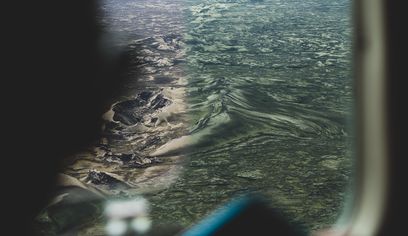
Photos
Gallery
Background
History & Background
Sprengisandur has been a significant site in Iceland's landscape. Throughout the years, this location has played an important role in Icelandic culture and natural history.
Sprengisandur is a highland journey rather than a single attraction. The F26 route crosses a sparsely serviced interior where weather, river levels and road conditions can change quickly. Travellers should use a suitable vehicle, check current road and weather information and plan fuel and supplies before entering the route.
Did You Know?
Iceland's famous black sand beaches are made from volcanic basalt eroded by the ocean
Explore
Hidden Gems Nearby
Tidal Patterns
The black sand creates stunning patterns as the waves retreat, especially at low tide.
The interplay of water, sand texture, and reflected sky creates naturally artistic compositions that are constantly changing.
Rock Formations
Explore the rock formations at the edges of the beach — many feature columnar basalt and small caves.
These geological features add variety to your beach visit and often shelter small tidal pools with marine life.
Seabird Watching
Bring binoculars to spot seabirds nesting on nearby cliffs, especially during summer months.
In breeding season (May-August), you can often see puffins, fulmars, and guillemots from the beach.
Help
Frequently Asked Questions
Location
Location
Discover
Explore Nearby
Places from our database within 5.0 km — all data from Sanity
Loading nearby places…
0 places found within 5.0 km
Plan full itinerary →Explore More