Seyðisfjörður Town
Picturesque fjord village with colorful houses, a vibrant art scene, and a ferry gateway.
At a Glance
Visit time
2–3 hours to explore the town and its art.
Best season
All year, especially for art enthusiasts and those seeking a picturesque fjord experience.
Access
Located at the innermost part of Seyðisfjörður fjord. Functions as a gateway for the Faroe Islands ferry, connecting Iceland to international routes.
GPS
65.2598, -14.0049
About
About Seyðisfjörður Town
Picturesque fjord village with colorful houses, a vibrant art scene, and a ferry gateway.
Experience a vibrant art community amidst stunning fjord landscapes and colorful architecture.
Background
History & Background
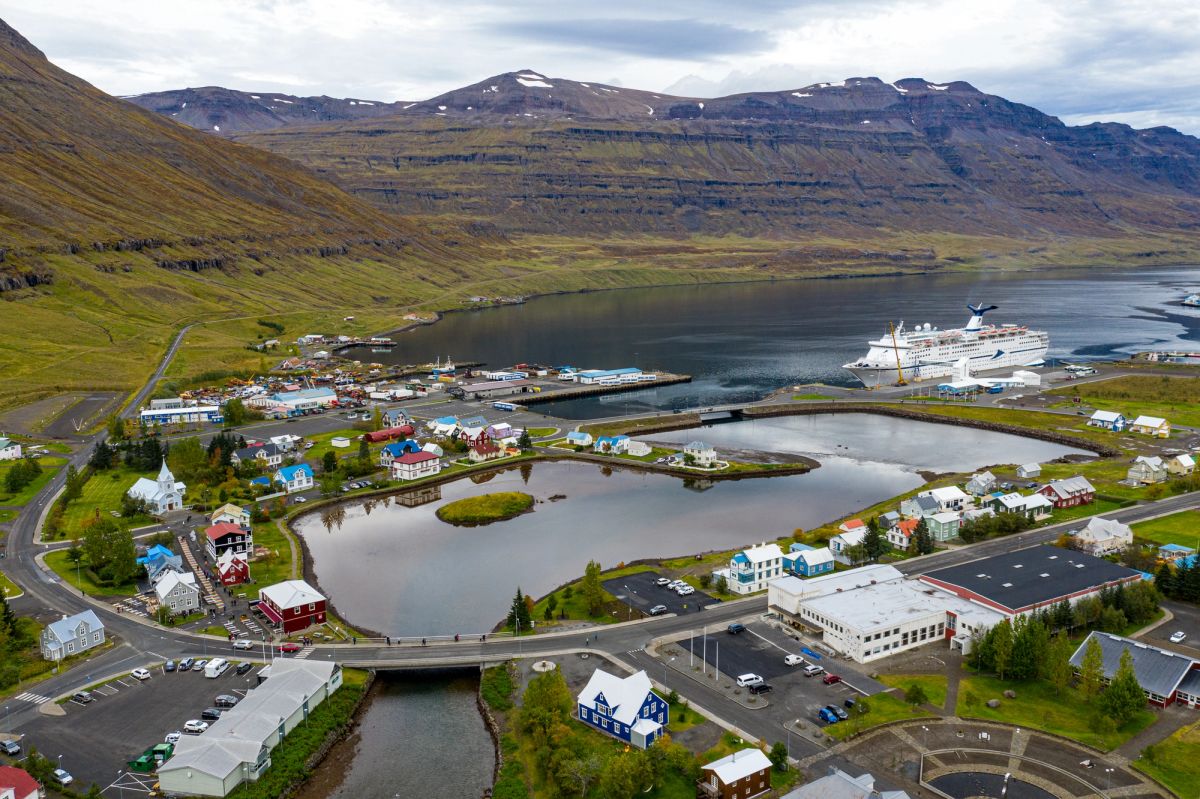
Seyðisfjörður is a town located in East Iceland, specifically nestled at the innermost part of the fjord that shares its name. The unique geographical position of the town, deep within a fjord, has historically shaped its character and development, providing a natural harbor and a secluded environment. This setting fostered a distinct community over time. While specific historical details of its founding are not provided in the research, the town's existence as a settlement highlights a long-standing human presence in this part of East Iceland. Its evolution into a recognizable community is a testament to the resilience and adaptation of its inhabitants to the dramatic Icelandic landscape. In more contemporary times, Seyðisfjörður has gained recognition, particularly for its vibrant art scene. This artistic characteristic has become a significant part of the town's modern identity, drawing visitors and creative individuals to experience its unique cultural atmosphere amidst its picturesque surroundings.
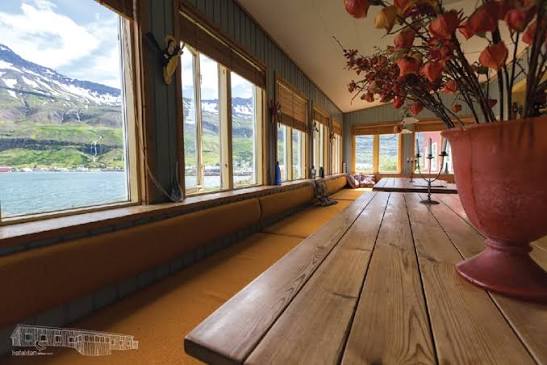
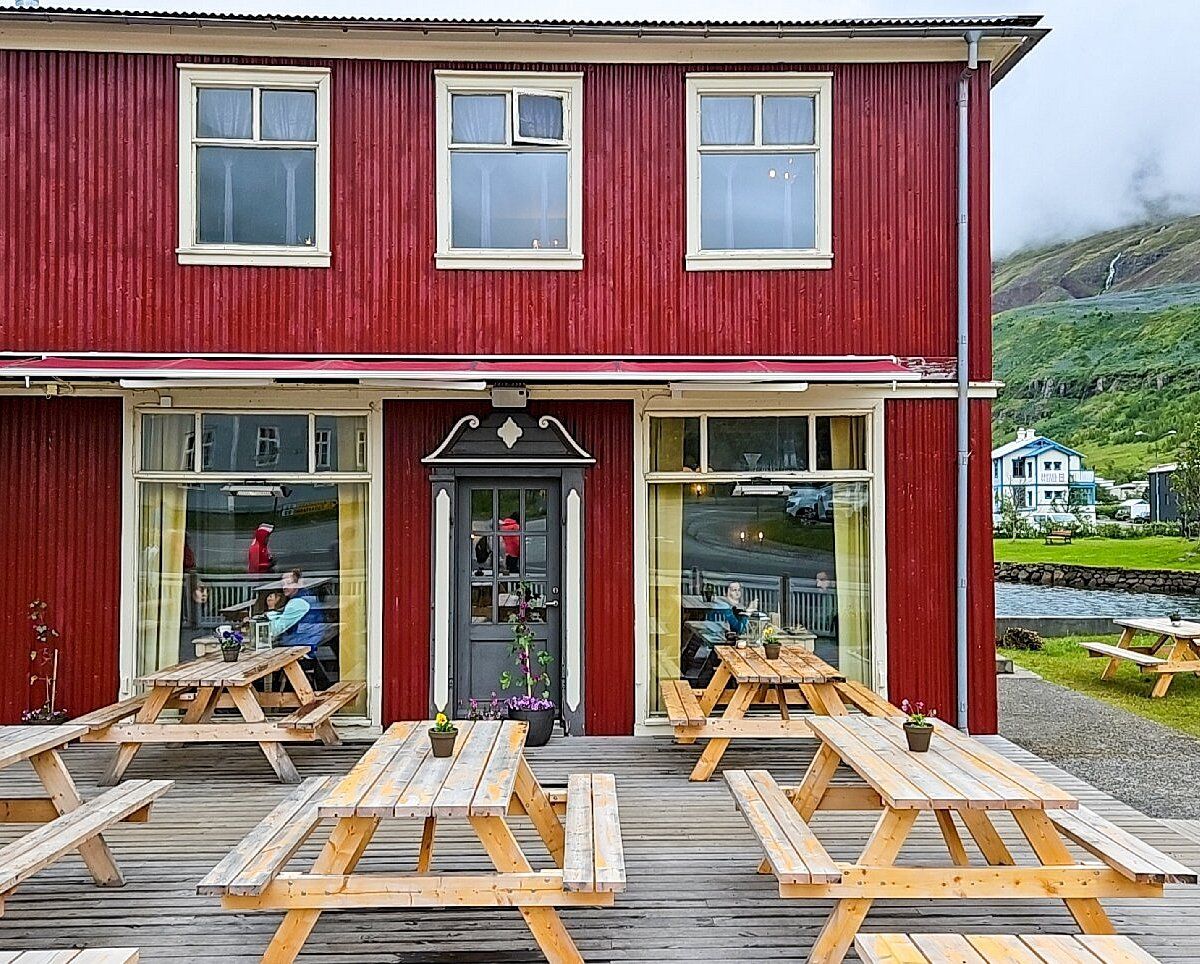
Seyðisfjörður Town, nestled in the serene embrace of its namesake fjord in East Iceland, is a destination that captivates with its unique blend of natural beauty and cultural vibrancy. The town is instantly recognizable by its collection of charming, colorful wooden houses, which stand in stark contrast to the dramatic mountainous backdrop. This picturesque setting, combined with the calm waters of the fjord and the distinctive blue church, creates a postcard-perfect scene. What truly sets Seyðisfjörður apart, however, is its renowned and lively art community. The town pulses with creative energy, evident in its numerous art spaces, studios, and the general artistic atmosphere that permeates the streets, notably the famous rainbow street. Visitors can explore this creative spirit, enjoying the unique works and expressions that emerge from this inspiring environment. As a key location in East Iceland, Seyðisfjörður offers an immersive experience, inviting travelers to slow down and appreciate both the breathtaking landscapes and the thriving artistic life within this remote yet culturally rich fjord village. Its position at the innermost part of the fjord makes the journey to and from the town an adventure in itself, revealing stunning vistas at every turn. Additionally, it serves as a vital gateway for the Faroe Islands ferry, connecting Iceland to international routes.
Folklore
Story & Folklore
Imagine arriving in Seyðisfjörður, the journey itself a winding spectacle through dramatic East Icelandic landscapes. As you descend into the fjord, a town of surprising vibrancy unfolds. Colorful wooden houses dot the shore, reflecting in the calm waters, and a distinctive blue church stands proudly. The air buzzes with artistic energy, a testament to the community that thrives here, turning this remote fjord village into a lively cultural hub. The famed rainbow street guides your steps, leading to galleries and studios where creativity flourishes. It's a place where every corner seems to hold a creative secret, waiting to be discovered by the wandering eye, making the journey truly unforgettable.
💡 Did You Know?
Seyðisfjörður is celebrated for its vibrant art community, a defining characteristic that draws visitors to this charming East Icelandic town.
Local Legend
The Fjord's Artistic Whisper
While no specific local legend is provided in research, the vibrant art scene of Seyðisfjörður itself feels like a modern myth. It's said that the fjord's unique light and dramatic landscapes inspire an unparalleled wave of creativity among its inhabitants, turning every corner into an unexpected gallery.
Explore
Hidden Gems Nearby
✦ Best Time of Day
Visit this attraction during golden hour (the hour after sunrise or before sunset) for the most beautiful light.
Iceland's low-angle sunlight creates long shadows and warm colors that transform ordinary scenes into extraordinary ones.
✦ Local Knowledge
Ask locals for their favorite nearby spots — Icelanders are friendly and love sharing recommendations.
The best experiences often come from local tips about lesser-known viewpoints, cafés, or hidden natural features.
✦ Weather Changes
Don't leave if the weather is bad — wait 15 minutes and it often changes dramatically.
Iceland's rapidly changing weather can transform a gray scene into a spectacular display of light and clouds in minutes.
Help
Frequently Asked Questions
Location
📍 Location
Discover
Explore Nearby
Places from our database within 1.0 km — all data from Sanity
Loading nearby places…
0 places found within 1.0 km
Plan full itinerary →Explore More