
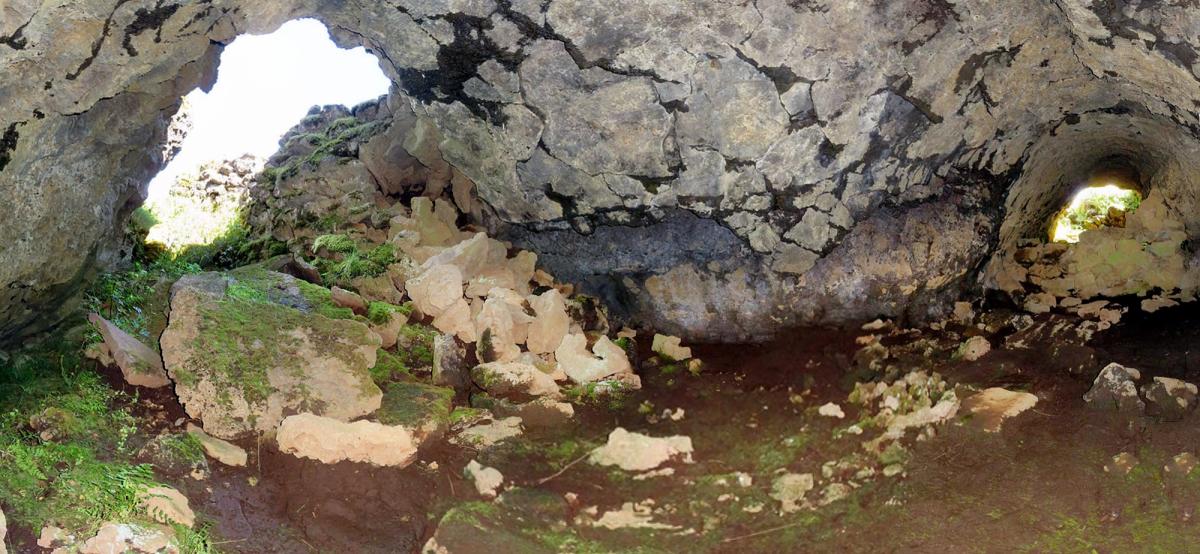
Selgjárhellir
Explore Selgjárhellir, a lava tube cave showcasing ancient volcanic artistry with its rugged rock formations and moss-covered openings.
About
About Selgjárhellir
Explore Selgjárhellir, a lava tube cave showcasing ancient volcanic artistry with its rugged rock formations and moss-covered openings.
Witness the raw, ancient beauty of a lava tube, where volcanic forces shaped dramatic rockscapes.
Tours Near Selgjárhellir
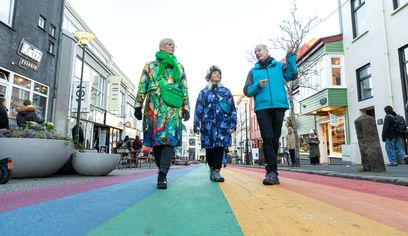
Private Reykjavik LGBTQ+ City Walk
Your Friend in Reykjavik · 3 hours
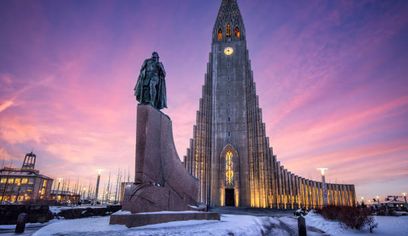
Private Reykjavik City Tour
Icelimo Luxurytravel · 4 hours

Private 3 hour Reykjavik Driving Tour
Your Friend in Reykjavik · 3 hours
Private Reykjavik Shopping & Sightseeing Walking Tour
Your Friend in Reykjavik · 3 hours
Photos
Gallery
Background
History & Background
Seljárhellir is a prime example of a lava tube, a geological formation unique to volcanic regions. These caves form when a stream of flowing lava develops a continuous hard crust, which then thickens and forms a roof above the still-flowing lava stream. When the eruption ends and the lava drains out from beneath the crust, a hollow tunnel or cave is left behind. Thousands of years of volcanic activity have sculpted countless such formations across Iceland, making them some of the most dramatic and accessible lava tubes globally. Seljárhellir's significance lies in its well-preserved features, allowing visitors to directly observe the intricate patterns and textures left by the ancient molten rock. The varying rock colors, from dark, cracked ceilings to lighter, fragmented debris on the floor, vividly illustrate the different stages and conditions of its formation.
Seljárhellir, nestled in Iceland's Capital Region, offers an accessible and dramatic glimpse into the island's volcanic past. This captivating lava tube was forged thousands of years ago when rivers of molten lava flowed and eventually drained, leaving behind these hollow subterranean tunnels. The cave's interior is a geological marvel, with rugged rock formations adorned in places by vibrant green moss, particularly near the openings where light penetrates. Visitors can observe the stark contrast between the dark, fractured ceiling and walls, marked by ancient lava flows, and the lighter, broken rocks scattered across the floor, some of which appear almost crystalline. The main entrance, as seen in the image, is a wide, arching opening bathed in natural light, inviting exploration. Further inside, a smaller, more tunnel-like passage leads to another distant light source, hinting at the cave's extent. The ground is a mix of damp earth and loose rocks, requiring sturdy footwear. Exploring Seljárhellir provides a unique opportunity to connect with the raw, untamed forces that shaped Iceland, offering both a geological lesson and an unforgettable adventure into the planet's subterranean wonders. It's an ideal spot for photography, capturing the interplay of light and shadow within its ancient chambers.
Folklore
Story & Folklore
Deep within the heart of the Capital Region lies Selgjárhellir, a testament to Iceland's fiery origins. Thousands of years ago, a river of molten rock surged across the landscape. As the surface cooled and solidified, the incandescent core continued its journey, carving out this magnificent subterranean passage. Today, stepping inside is like entering a forgotten realm, where the raw power of earth's creation is palpable. The cave's ceiling, a tapestry of fractured grey rock and dark mineral streaks, tells a silent story of ancient eruptions. Sunlight pierces through distant openings, casting ethereal glows on moss-covered boulders and the surprisingly smooth, yet rugged, floor. Piles of lighter, broken rocks hint at past collapses or unique formations. It's a journey into the earth's belly, a chillingly beautiful reminder of the dynamic forces that shaped this island nation.
Did You Know?
Seljárhellir, like many Icelandic lava tubes, formed as molten lava drained from beneath a hardened crust, leaving behind these hollow subterranean wonders.
Explore
Hidden Gems Nearby
The Sunlit Archway
The cave's main entrance is a magnificent arch where sunlight dramatically illuminates moss-covered boulders and the entrance to the subterranean world.
It offers the most stunning photographic opportunities, showcasing the interplay of light and shadow.
The Inner Passage
Beyond the main chamber, a narrower, darker tunnel leads deeper into the cave, offering a more adventurous exploration.
It provides a sense of mystery and further insight into the cave's extensive lava tube system.
Crystalline Lava Formations
Look closely at the lighter-colored, broken rocks scattered on the floor and walls; some exhibit unique crystalline structures formed during the lava's cooling.
These formations are subtle yet beautiful reminders of the cave's volcanic genesis.
Help
Frequently Asked Questions
Location
Location
Discover
Explore Nearby
Places within 5.0 km
Loading nearby places…
0 places found within 5.0 km
Plan full itinerary →Explore More