
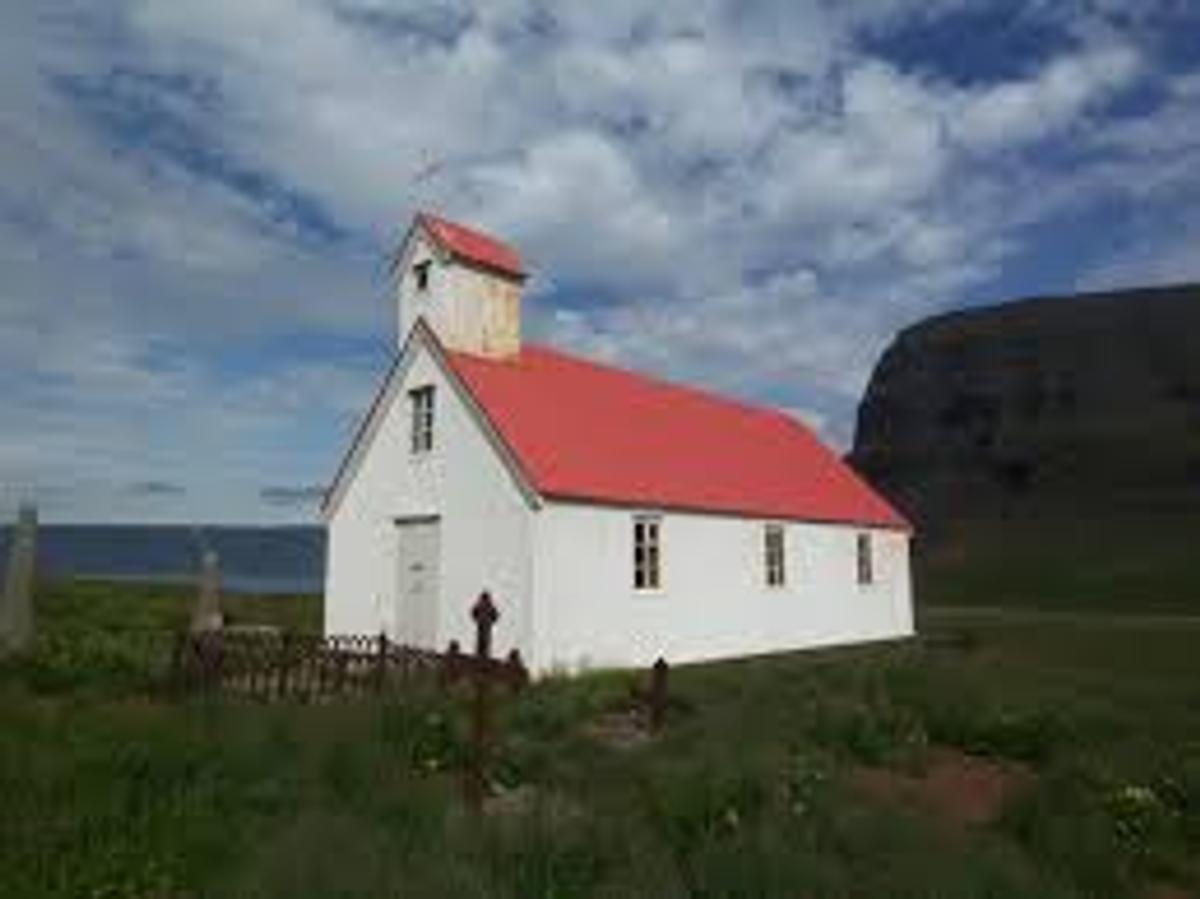
Selárdalskirkja
A small historic church in remote Selárdalur, close to the outdoor art of Samúel Jónsson and surrounded by dramatic Arnarfjörður scenery.
About
About Selárdalskirkja
A small historic church in remote Selárdalur, close to the outdoor art of Samúel Jónsson and surrounded by dramatic Arnarfjörður scenery.
Experience a slice of Icelandic history and serene beauty at this charming red-roofed church by the fjord.
Tours Near Selárdalskirkja
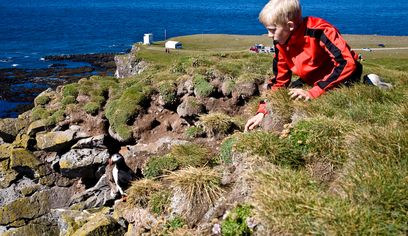
BIRD WATCHING - puffins and more
Westfjords Adventures · 7 hours
CROWN JEWEL; KJARAN'S AVENUE & DYNJANDI - jeep tour
Westfjords Adventures · 9 hours
Hornstrandir Panorama
Borea Adventures · 10 hours
GRAND WEST - Látrabjarg, Rauðasandur & more
Westfjords Adventures · 6 hours
Photos
Gallery
Background
History & Background
Selárdalskirkja is deeply rooted in the history of the Selárdalur settlement, a significant farm, church site, and former parsonage located at the outermost part of Ketildalir on the western side of Arnarfjörður. For a long time, this parish was considered one of the most prestigious and prosperous in Iceland, often referred to as 'the best living in the country.' This historical importance underscores the church's role as a spiritual and community hub for generations. The current timber church, with its iconic white walls and bright red roof, was originally constructed in 1861. It stood for a century before its condition deteriorated due to decades of neglect. To preserve this vital piece of heritage, the church was meticulously dismantled and rebuilt for its centennial in 1961, ensuring its continued presence for future generations. Within its walls, many valuable artifacts are preserved, offering insights into the artistic and religious traditions of the region. Adding to its historical intrigue is the Mjaltakonusteinn, a stone with three carved bowls situated in front of the church. While many interpret it as a pagan sacrificial stone, harking back to Iceland's pre-Christian era, local legend offers a different narrative. It claims that the legendary strongman Árum-Kári carried the stone in his coat lapel from Bogahlíð, weaving together ancient beliefs with local folklore and making the church grounds a site of both Christian devotion and mythical tales.
Nestled in the remote and stunning Ketildalir valley, on the western side of Arnarfjörður in the Westfjords, Selárdalskirkja stands as a beacon of history and faith. This picturesque white timber church, with its distinctive bright red roof and small steeple, offers a striking contrast against the verdant landscape, the blue waters of the fjord, and the looming dark cliffs. Originally constructed in 1861, the church has been a spiritual center for the Selárdalur settlement, a place once renowned as the 'best living' (prestigious parish) in Iceland. After enduring decades of neglect, the church was carefully dismantled and rebuilt in 1961 for its centennial, ensuring its preservation while retaining its original charm and historical integrity. Inside, visitors can discover a collection of valuable artifacts, testaments to centuries of local devotion and craftsmanship. Outside, a particularly intriguing feature is the Mjaltakonusteinn (Milkmaid's Stone) located directly in front of the church. This stone, marked with three carved depressions, is believed by some to be a pagan sacrificial stone, a remnant from Iceland's pre-Christian era. Local folklore, however, attributes its placement to the legendary strongman Árum-Kári, who supposedly carried it here in his coat lapel from Bogahlíð. Selárdalskirkja is not just a place of worship; it's a window into Iceland's rich cultural and religious heritage, set within one of the country's most dramatic and unspoiled natural landscapes. It serves as a testament to the enduring spirit of the communities that have thrived in this isolated corner of the world.
Folklore
Story & Folklore
As the winding road unfurls along the rugged coastline of Arnarfjörður, a pristine white church with a vibrant red roof emerges against the backdrop of a deep blue fjord and a towering dark cliff. This is Selárdalskirkja, a sentinel of faith in the remote Westfjords. Built originally in 1861, its timbers have witnessed generations of Icelandic life, from harsh winters to bright summer days. Though lovingly rebuilt in 1961 after decades of neglect, its spirit remains ancient. Step inside, and you’ll find cherished artifacts that speak of a resilient community. Outside, just before the entrance, lies the enigmatic Mjaltakonusteinn, a stone with three carved bowls. Some whisper it’s a relic of pagan times, a place where ancient rituals unfolded before Christianity took root. Others tell the tale of the strongman Árum-Kári, who, according to folklore, single-handedly carried this massive stone from a distant hill. Visiting Selárdalskirkja is more than just seeing a building; it's stepping into a living story where history, legend, and breathtaking nature converge.
Did You Know?
Did you know a pagan sacrificial stone, Mjaltakonusteinn, with three carved bowls, lies in front of the church? Legend says Árum-Kári carried it here!
Explore
Hidden Gems Nearby
Listasafn Samúels Jónssonar (Samúel Jónsson's Art Museum)
Just a short drive from the church, discover the unique outdoor museum created by the self-taught artist Samúel Jónsson. His whimsical concrete sculptures and buildings are a testament to his creative spirit.
A truly eccentric and heartwarming display of folk art in a remote setting.
Hiking in Ketildalir
Explore the dramatic landscapes of Ketildalir valley surrounding Selárdalskirkja. Enjoy coastal walks with stunning views of Arnarfjörður and the rugged Westfjords.
Offers breathtaking natural beauty and a chance to experience the remote tranquility of the Westfjords.
Help
Frequently Asked Questions
Location
Location
Discover
Explore Nearby
Places within 5.0 km
Loading nearby places…
0 places found within 5.0 km
Plan full itinerary →Explore More