
Sauðaneshús Local Folk Museum
Step back in time at Sauðaneshús, a charming white house museum preserving Iceland's coastal heritage.
About
About Sauðaneshús Local Folk Museum
Step back in time at Sauðaneshús, a charming white house museum preserving Iceland's coastal heritage.
Discover authentic Icelandic history and culture within the walls of this charming, historic white house.
Tours Near Sauðaneshús Local Folk Museum
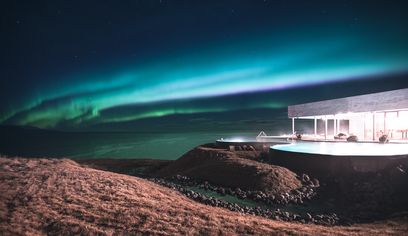
Northern Lights & GeoSea Geothermal Baths Tour (From Akureyri)
Imagine Iceland Travel · 5 hours

Private Northern Lights Photography from Akureyri
Iceland Horizon - Saga Travel - GeoIceland · 3 hours
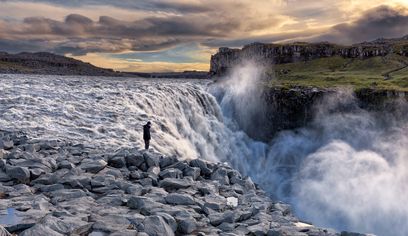
Dettifoss Waterfall, Ásbyrgi and Lake Mývatn - Shore Excursion from Húsavík
BusTravel Iceland · 5 hours 30 minutes

Húsavík: Small-Family Run, Responsible Whale Watching
Friends of Moby Dick · 3 hours
Photos
Gallery
Background
History & Background
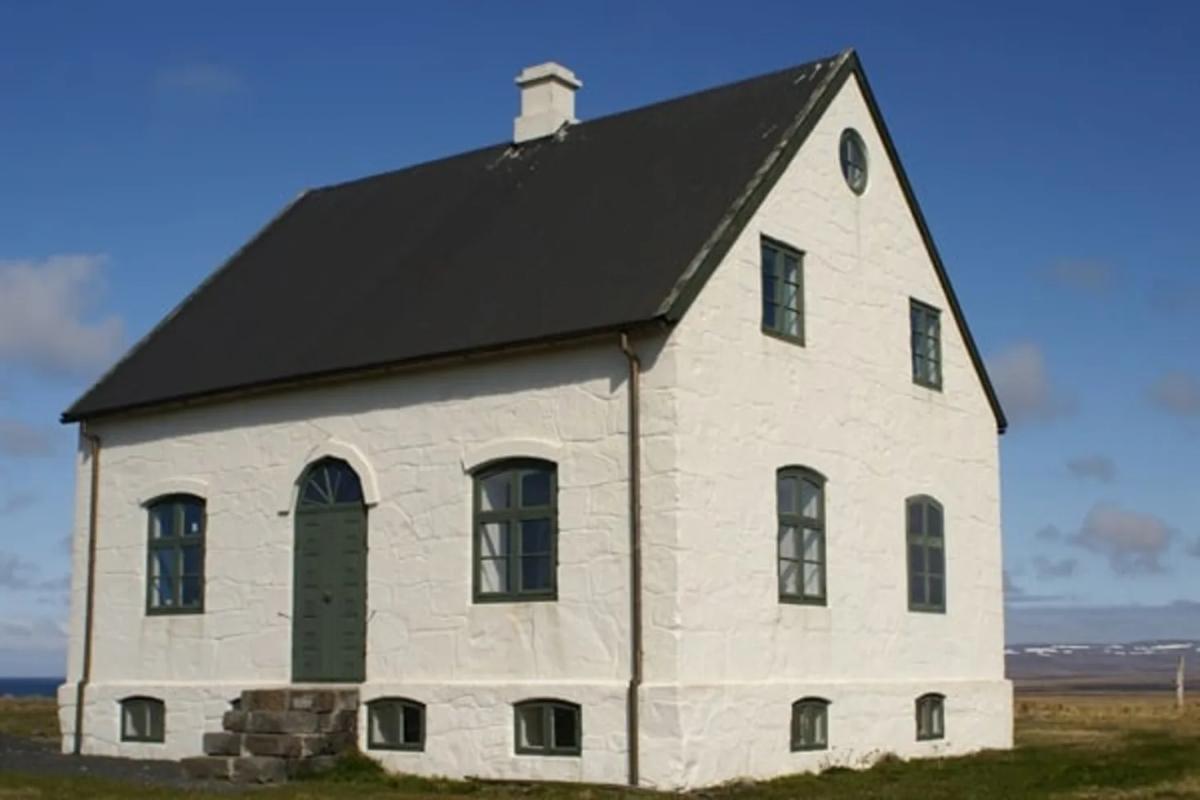
Sauðaneshús Local Folk Museum occupies a building with a rich history, deeply intertwined with the cultural fabric of North Iceland. While specific dates of its construction might be found in local archives, the structure itself, with its sturdy white walls and traditional design, speaks to an era when buildings were crafted to endure the harsh Icelandic environment. Its architecture, featuring a prominent dark roof and symmetrically placed green-framed windows, suggests a significant dwelling or community building. Over time, this building transitioned into a vital cultural institution, dedicated to preserving and sharing the unique heritage of the region. Museums across Iceland play a crucial role in safeguarding traditions, from the ancient sagas of the Viking Age to the more recent history of the fishing industry that sustained generations of coastal communities. Sauðaneshús stands as a physical embodiment of this commitment, offering a tangible link to the past. The museum's existence ensures that the stories, tools, and way of life of past Icelanders are not forgotten. It provides visitors with a valuable opportunity to connect with the broader narrative of Iceland's remarkable people and their resilience in adapting to and thriving within their challenging yet beautiful homeland. Its continued operation highlights the importance placed on cultural preservation in this remote part of the world.
The Sauðaneshús Local Folk Museum, a prominent landmark in North Iceland, is more than just a collection of artifacts; it's a beautifully preserved piece of Icelandic history. Housed within a striking white building with a dark, steeply pitched roof and charming green-framed windows, it immediately captures the eye against the often-dramatic Icelandic sky. The building itself, with its robust, textured white walls and a distinctive arched green door, hints at the sturdy craftsmanship necessary to withstand the elements. Inside, the museum offers a fascinating journey through Icelandic culture, history, and heritage, focusing on the lives of those who inhabited this remote region. Visitors can explore exhibits detailing the fishing industry that shaped coastal communities for centuries, learn about local traditions, and gain insight into daily life from past eras. The various window styles—from the larger, multi-paneled ones on the upper floors to the smaller, more humble openings near the ground—suggest different functions and eras of the building's use. A visit here provides essential context for understanding the broader narrative of Iceland and its resilient people, making it a truly worthwhile stop for anyone exploring the northern reaches of the country. Allow yourself time to absorb the atmosphere and appreciate the dedication to preserving this unique heritage.
Folklore
Story & Folklore
Perched on the rugged northern coast, Sauðaneshús Local Folk Museum stands as a testament to Iceland's enduring spirit. Its distinctive white, roughly textured walls, contrasted by a dark, sloping roof and charming green-framed windows, speak of a history deeply rooted in this land. Imagine the lives lived within these walls, the stories whispered through the arched doorway and small ground-level windows. This isn't just a building; it's a narrative frozen in time, preserving the echoes of the Viking Age and the resilience of generations sustained by the sea. A visit here is more than a tour; it's a journey into the heart of a culture that thrives amidst dramatic landscapes, offering a crucial context for understanding the broader, remarkable story of Iceland and its people. The crisp blue sky often framing the house, as seen in the image, adds to its serene, timeless appeal, inviting contemplation of a unique past.
Did You Know?
Did you know Iceland, with its small population of 370,000, boasts over 150 museums, many of which offer free entry for children, making heritage accessible to all?
Explore
Hidden Gems Nearby
The Seafarer's Viewpoint
Just a short walk from the museum, discover a secluded spot offering panoramic views of the Arctic Ocean and the dramatic coastline, a sight that inspired generations of local fishermen.
Offers a breathtaking perspective on the sea that shaped the community's history.
Local Craft Corner
Inside the museum, look for a small, often overlooked display featuring handmade tools and textiles by past inhabitants, showcasing their ingenuity and artistic skill.
Provides an intimate glimpse into the daily lives and craftsmanship of the people.
The Old Stone Steps
Notice the worn stone steps leading to the main entrance of Sauðaneshús; each step tells a silent story of countless footsteps, from local families to visiting dignitaries, over the centuries.
A tangible connection to the past, representing the passage of time and generations.
Help
Frequently Asked Questions
Location
Location
Discover
Explore Nearby
Places from our database within 5.0 km — all data from Sanity
Loading nearby places…
0 places found within 5.0 km
Plan full itinerary →Explore More