
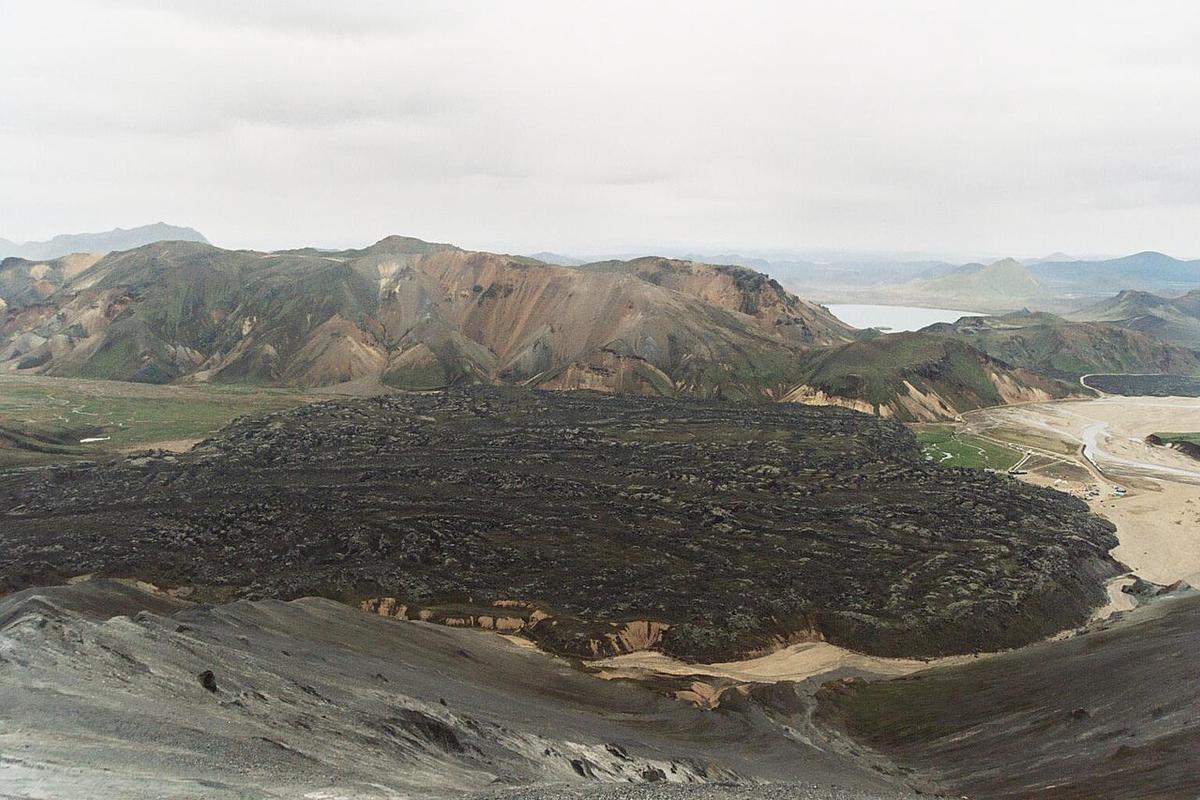
Laugahraun Lava Field
A mesmerizing 15th-century lava field in Landmannalaugar, famous for its striking black obsidian and vibrant geological colors.
At a Glance
Visit time
Allow 1-3 hours to explore the lava field and appreciate its unique features.
Best Season
During daylight hours in summer (June-September) for best accessibility and views.
Getting There
Located within the Landmannalaugar area of the Southern Icelandic Highlands, typically accessed by F-roads (4x4 required) or organized tours.
GPS
63.9833, -19.1167
About
About Laugahraun Lava Field
A mesmerizing 15th-century lava field in Landmannalaugar, famous for its striking black obsidian and vibrant geological colors.
Witness the dramatic contrast of shimmering black obsidian against the vibrant, multi-hued volcanic landscape.
Photos
Gallery
Background
History & Background
Laugahraun Lava Field originated from a significant volcanic eruption that occurred in the 15th century. This relatively recent geological event shaped the distinctive landscape that surrounds the Landmannalaugar area in the Southern Icelandic Highlands. The lava flow cooled to form a vast field, particularly notable for its high concentration of black obsidian. The formation of Laugahraun is a testament to Iceland's continuous volcanic activity. Its creation contributes to the unique geological tapestry of Landmannalaugar, an area globally recognized for its vibrant rhyolite mountains and geothermal features, which now serve as a colorful backdrop to the dark, glassy lava field.
Laugahraun Lava Field, a geological spectacle dating back to the 15th century, stands as a cornerstone of the Landmannalaugar area in the Southern Icelandic Highlands. This extraordinary landscape is primarily characterized by its abundant and striking black obsidian rock formations, often referred to as "lava glass" due to its smooth, dark, and often reflective surface. These glassy, dark volcanic rocks create a dramatic visual contrast against the vibrant, naturally colorful backdrop that Landmannalaugar is world-renowned for. Here, the surrounding rhyolite mountains burst with incredible hues of red, yellow, green, and blue, painting a breathtaking tableau. Formed by a significant volcanic eruption in the 15th century, Laugahraun offers visitors a unique opportunity to walk amidst relatively recent volcanic history, feeling the ancient power of the earth beneath their feet. As you traverse the field, the interplay of light on the obsidian, reflecting the colorful mountains, creates a constantly changing panorama, offering endless photographic opportunities. Exploring this field provides an immersive experience into Iceland's dynamic geological processes, showcasing the raw power and artistic capabilities of nature. The quiet crunch of obsidian underfoot and the vast, open skies above enhance the sense of awe. It's a must-see for photographers seeking dramatic contrasts, hikers looking for unique trails, and anyone fascinated by the profound beauty of volcanic landscapes and unique mineral formations that tell a compelling story of Earth's fiery past.
Folklore
Story & Folklore
Imagine stepping onto a landscape sculpted by fire centuries ago. The air is crisp, and before you stretches Laugahraun, a vast expanse of solidified fury. Underfoot, the ground shimmers with countless shards of black obsidian, sharp and reflective, remnants of a fiery birth in the 15th century. These dark, glassy rocks form intricate patterns, guiding your gaze towards the vibrant, multi-colored rhyolite mountains that frame this ancient flow. The silence is profound, broken only by the crunch of your boots on the unique terrain. Each step reveals new textures, new shades, a silent testament to the raw, untamed power of Iceland's volcanic heart, a true geological masterpiece waiting to be explored in the heart of Landmannalaugar.
Did You Know?
Laugahraun is a relatively young lava field, formed in the 15th century, making its prominent obsidian features even more remarkable.
Explore
Hidden Gems Nearby
Lava Formations Close-Up
Look carefully at the lava formations near this attraction — each tells a story of how it cooled.
Rope lava, pillow lava, and columnar basalt each formed under different conditions, creating a geological textbook in stone.
Moss & Lichens
The moss and lichen growing on the volcanic rock are some of the first life to colonize new lava fields.
Some of these organisms grow less than 1cm per year, meaning the patches you see may be decades or centuries old.
Sunset Colors
The volcanic rock takes on incredible red and gold hues during sunset.
The iron-rich minerals in the lava glow in warm light, creating a photographer's paradise.
Help
Frequently Asked Questions
Location
Location
Discover
Explore Nearby
Places from our database within 5.0 km — all data from Sanity
Loading nearby places…
0 places found within 5.0 km
Plan full itinerary →Explore More