
Króksbjarg
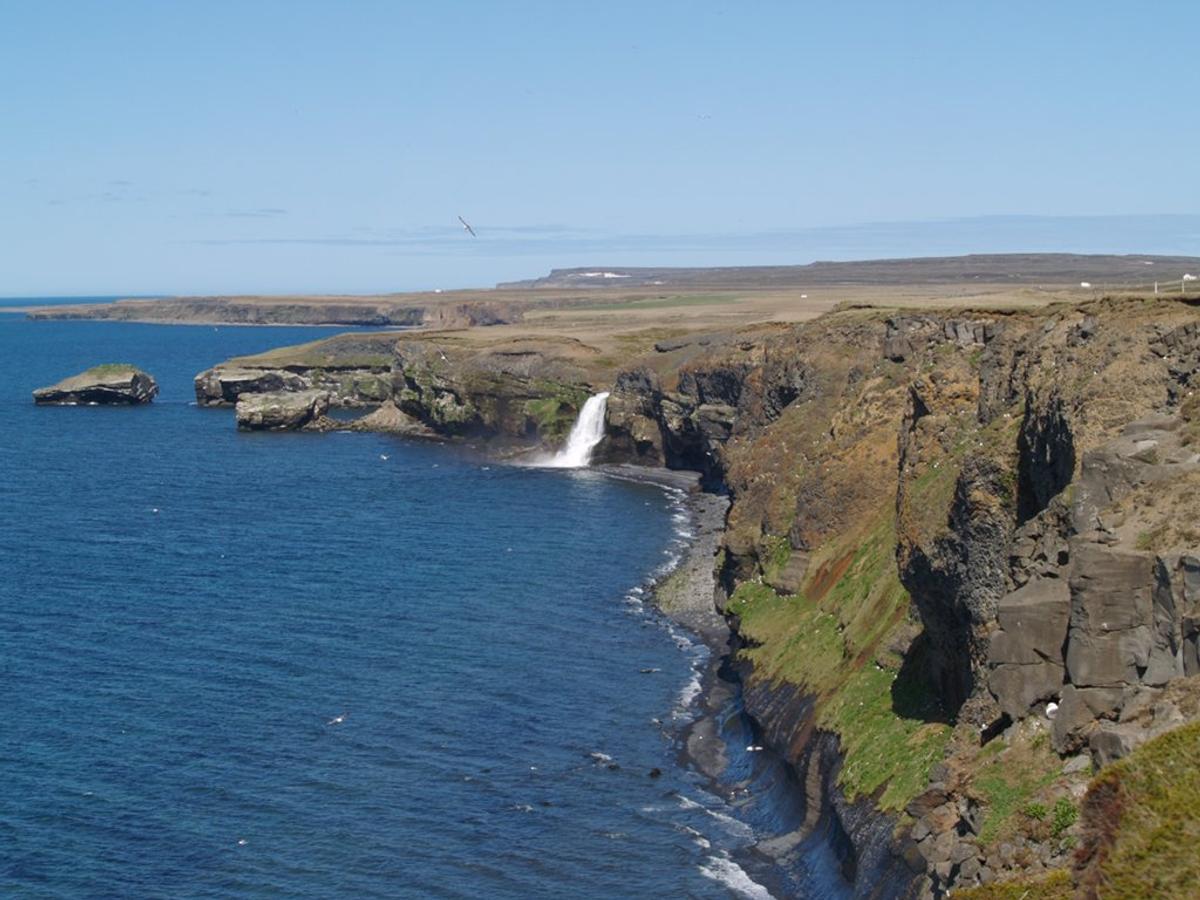
Dramatic cliffs plunge into the North Atlantic, featuring a stunning waterfall and vibrant seabird colonies.
At a Glance
Visit time
1-2 hours for exploration and photography.
Best Season
Late morning to afternoon for best light on the waterfall, Summer for milder weather.
Getting There
Accessible by paved road to Skagaströnd, then a gravel road leading to a parking area, followed by a short walk to viewpoints. 4WD recommended for the final stretch of gravel road, especially in wet conditions.
GPS
65.9501, -20.3827
About
About Króksbjarg
Dramatic cliffs plunge into the North Atlantic, featuring a stunning waterfall and vibrant seabird colonies.
Witness an iconic Icelandic coastal landscape with a dramatic waterfall and rich birdlife.
Tours Near Króksbjarg
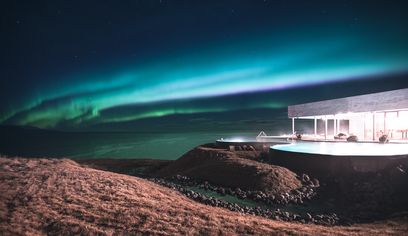
Northern Lights & GeoSea Geothermal Baths Tour (From Akureyri)
Imagine Iceland Travel · 5 hours
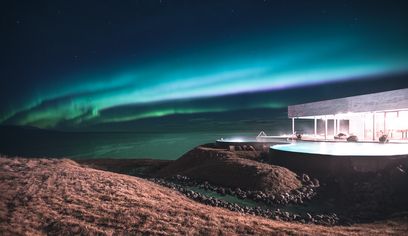
Private Northern Lights & GeoSea Geothermal Baths Tour (from Akureyri)
Imagine Iceland Travel · 5 hours
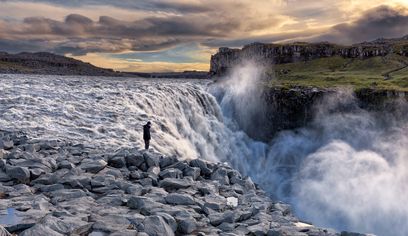
Dettifoss Waterfall, Ásbyrgi and Lake Mývatn - Shore Excursion from Húsavík
BusTravel Iceland · 5 hours 30 minutes
(RS) Northern Lights Classic Tour from Akureyri
Imagine Iceland Travel · 2 hours 30 minutes
Photos
Gallery
Background
History & Background
Króksbjarg is part of a significant coastal stretch extending about 10 kilometers north from Hof on Skagaströnd, reaching towards Kálfshamarsvík. This impressive series of cliffs, ranging from 40 to 50 meters in height, is known by several names along its length, with Króksbjarg marking its southernmost point. Other sections include Skriðbjarg, Bjargabjörg, and Bakkar further north. The naming reflects the local recognition of distinct features within this dramatic landscape. The geological history of Króksbjarg is particularly noteworthy. Scientific observations reveal a layered structure indicative of ancient volcanic and sedimentary processes. The base of the southernmost part of Króksbjarg features a substantial 16-meter thick claystone layer, superposed by an 8-meter layer of brown sandstone. Capping these sedimentary layers is a thick formation of columnar basalt, a volcanic rock, which remarkably displays reversed magnetism. This reversed polarity provides valuable insights into the Earth's magnetic field history, suggesting that these rock formations cooled and solidified during a period when the magnetic poles were opposite to their current orientation. Beyond its geological significance, Króksbjarg has long been recognized as an important habitat for seabirds. While various species may frequent the cliffs, fulmars (fýl in Icelandic) are particularly abundant, nesting and soaring along the rugged faces. The presence of Fossárfoss, a waterfall that cascades directly into the sea in the northern part of Króksbjarg, further enhances the area's natural grandeur and ecological value, making it a landmark of both geological and ornithological interest.
Króksbjarg offers a magnificent glimpse into the untamed beauty of North Iceland's coastline. Situated north of Hof on Skagaströnd, these impressive cliffs soar 40-50 meters above the North Atlantic, stretching for approximately 10 kilometers towards Kálfshamarsvík. The area encompasses several named sections including Skriðbjarg, Bjargabjörg, and Bakkar, with Króksbjarg being the southernmost point. The most captivating feature is Fossárfoss, a stunning waterfall that plunges directly into the sea from the northern part of Króksbjarg, as vividly captured in the image. The cliffs are a vital habitat for numerous seabirds, predominantly fulmars, whose graceful flights and calls add to the wild atmosphere. Geologically, Króksbjarg is fascinating, revealing a 16-meter thick claystone layer at its base, topped by an 8-meter layer of brown sandstone, and crowned by a thick columnar basalt layer exhibiting reversed magnetism – a testament to ancient volcanic activity and shifting magnetic fields. Visitors should always admire the dramatic scenery from a safe distance, respecting the powerful ocean waves and fragile cliff edges. This is a place to soak in the raw, elemental power of nature.
Folklore
Story & Folklore
The biting Atlantic breeze carried the scent of salt and ancient rock as I stood on the edge of Króksbjarg. Below, the ocean, a profound sapphire, crashed against the dark, imposing cliffs. My gaze was drawn to Fossárfoss, a ribbon of white water plummeting gracefully from the cliff top, dissolving into a misty spray at the base. Fulmars circled overhead, their calls echoing the wildness of this place. The sheer scale was humbling; these cliffs, 40-50 meters high, felt like the very edge of the world. It was a place where earth, sea, and sky converged in a symphony of natural grandeur, each wave a testament to the untamed spirit of North Iceland. I felt a deep connection to the elemental forces at play, a memory etched by the wind and the roar of the ocean.
Did You Know?
Króksbjarg boasts a unique geological profile: a 16m claystone layer, 8m brown sandstone, and a thick columnar basalt layer with reversed magnetism.
Explore
Hidden Gems Nearby
Fossárfoss Waterfall
This magnificent waterfall plunges directly into the North Atlantic from the cliffs, a truly unique sight.
It's a rare and beautiful example of a waterfall meeting the ocean, creating stunning photographic opportunities.
Geological Layers
Observe the distinct layers of claystone, sandstone, and columnar basalt, a testament to millions of years of geological history.
These visible strata offer a fascinating insight into Iceland's volcanic past and the Earth's magnetic field reversals.
Seabird Colonies
Spot numerous fulmars nesting and soaring along the cliff faces, especially during breeding season.
The cliffs provide a vital habitat for diverse birdlife, offering excellent opportunities for birdwatching.
Help
Frequently Asked Questions
Location
Location
Discover
Explore Nearby
Places within 5.0 km
Loading nearby places…
0 places found within 5.0 km
Plan full itinerary →Explore More