
north-iceland · Iceland
Kjalhraun
About Kjalhraun
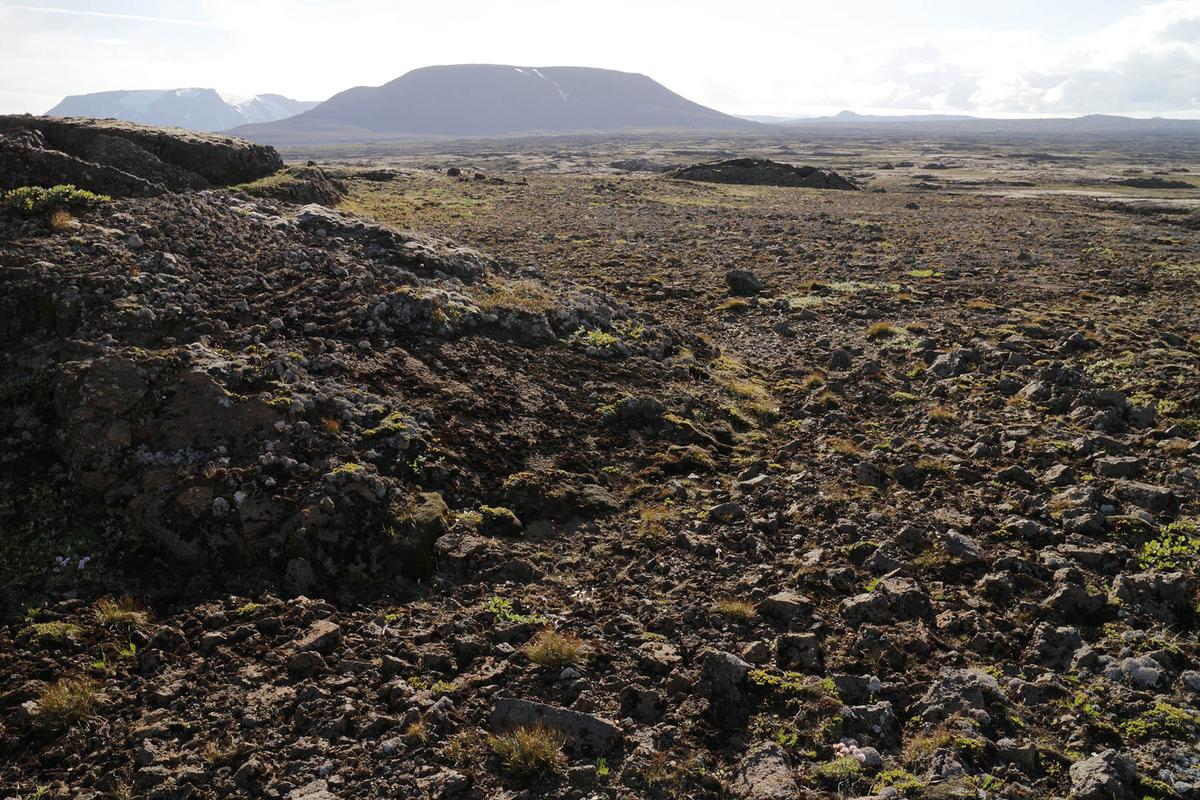
Kjalhraun rises majestically from a vast, ancient landscape, its slopes covered in dark volcanic rock and vibrant green moss. This prominent peak, born from fiery eruptions and sculpted by glaciers, offers breathtaking views across the raw, untamed wilderness of North Iceland.
History & Background
Kjalhraun's history is deeply intertwined with Iceland's geological narrative. Like many of the country's peaks, it was forged through intense volcanic activity over millennia. These eruptions spewed forth the dark, basaltic rock that forms its foundation and much of the surrounding landscape, a visual testament to its fiery birth. Following its volcanic creation, Kjalhraun, along with the entire Icelandic landmass, was subjected to the immense sculpting power of glaciers during the last ice age. These colossal ice sheets carved valleys, smoothed contours, and deposited debris, further shaping the mountain's distinctive form. Culturally, Iceland's mountains, including Kjalhraun, hold a special place in the national consciousness. Many are linked to the country's rich sagas, epic tales of Viking settlers and their descendants. While specific sagas directly naming Kjalhraun are less common, its location within the broader Icelandic highland region connects it to a heritage where the land itself is a character in a thousand-year-old story, full of hidden folk and legendary events. This blend of geological grandeur and cultural heritage makes Kjalhraun a compelling site for both naturalists and those fascinated by Icelandic lore.
Did You Know?
- ✔Elevation: 236m
- ✔Wikidata: Q27003511
- ✔Formed by volcanic activity
- ✔Iceland has over 200 named mountain peaks
Tours Near Kjalhraun
Best-rated Iceland experiences — book with free cancellation
No specific tours found for this attraction.
Browse Iceland Tours →About Kjalhraun
Kjalhraun, a distinctive mountain peak in North Iceland, invites adventurers to explore a landscape defined by its dramatic volcanic origins and glacial history. Rising to an elevation of 236 meters, this peak is more than just a geographical landmark; it's a window into the raw, powerful forces that shaped Iceland. The surrounding terrain, as seen in the images, is a rugged tapestry of dark, ancient lava flows, softened by vibrant green moss and hardy vegetation that clings to every crevice. Hiking here offers a unique opportunity to traverse a relatively untouched wilderness, where every step reveals intricate rock formations and subtle shifts in flora. From its summit, visitors are rewarded with expansive, panoramic views that sweep across the vast plains of North Iceland, dotted with other volcanic features and framed by distant, often snow-capped mountains. These vistas provide a profound sense of scale and solitude, making Kjalhraun an ideal destination for those seeking tranquility and a deep connection with nature. Remember to dress in layers, as Icelandic weather can be unpredictable, and sturdy hiking boots are essential for navigating the uneven, rocky terrain. The beauty of Kjalhraun lies not just in its physical presence, but in the story it tells of fire, ice, and the enduring spirit of the Icelandic wilderness.
History & Background
Kjalhraun's history is deeply intertwined with Iceland's geological narrative. Like many of the country's peaks, it was forged through intense volcanic activity over millennia. These eruptions spewed forth the dark, basaltic rock that forms its foundation and much of the surrounding landscape, a visual testament to its fiery birth. Following its volcanic creation, Kjalhraun, along with the entire Icelandic landmass, was subjected to the immense sculpting power of glaciers during the last ice age. These colossal ice sheets carved valleys, smoothed contours, and deposited debris, further shaping the mountain's distinctive form. Culturally, Iceland's mountains, including Kjalhraun, hold a special place in the national consciousness. Many are linked to the country's rich sagas, epic tales of Viking settlers and their descendants. While specific sagas directly naming Kjalhraun are less common, its location within the broader Icelandic highland region connects it to a heritage where the land itself is a character in a thousand-year-old story, full of hidden folk and legendary events. This blend of geological grandeur and cultural heritage makes Kjalhraun a compelling site for both naturalists and those fascinated by Icelandic lore.
Why Visit
Hike through an ancient volcanic landscape to witness unparalleled panoramic views of Iceland's wild heartland.
Did You Know?
Kjalhraun, at 236m, is one of over 200 named mountain peaks in Iceland, many of which are ancient volcanoes shaped by the last ice age.
The Silent Sentinel of the Lava Fields
Local lore suggests Kjalhraun is a silent sentinel, a petrified giant watching over the ancient lava fields. It's said that on clear nights, the spirits of old Icelandic settlers whisper among its rocky slopes, sharing tales of survival and the land's enduring magic.
Hidden Gems Nearby
Mossy Lava Crevices
Explore the intricate patterns of dark volcanic rock intertwined with lush, vibrant green moss, showcasing Iceland's unique ecosystem.
These micro-landscapes offer stunning photographic opportunities and a closer look at resilient Icelandic flora.
Distant Glacier Views
On a clear day, observe the glistening white caps of distant glaciers, a stark contrast to the dark volcanic foreground.
These majestic views emphasize the powerful forces of ice and fire that shaped the Icelandic landscape.
Sparse Highland Flora
Discover hardy plants and delicate wildflowers, often peeking out from between rocks, that thrive in this challenging environment.
Witness the tenacity of nature and the subtle beauty of Iceland's high-altitude vegetation.
Practical Information
Best Time
Late Spring to Early Autumn (June-September), during daylight hours.
Duration
2-4 hours for hiking to the peak and enjoying the views.
Access
Access typically involves driving on unpaved highland roads (F-roads), which may require a 4x4 vehicle. Check road conditions before travel.
Frequently Asked Questions
Is Kjalhraun suitable for all hikers?▾
Kjalhraun involves hiking over uneven, rocky terrain, so a moderate fitness level and sturdy hiking boots are recommended. It's not suitable for those with limited mobility.
What kind of clothing should I wear?▾
Icelandic weather can be unpredictable. Dress in layers, including waterproof and windproof outer shells, even in summer. Bring a hat and gloves.
Are there any facilities or services nearby?▾
Kjalhraun is in a remote highland area. There are no facilities, restrooms, or shops directly at the site. Bring all necessary supplies, including water and snacks.
Can I drive directly to the summit?▾
No, Kjalhraun is a mountain peak requiring a hike to reach the summit. Access roads will lead you to a starting point for the trail.
Is there an entry fee to visit Kjalhraun?▾
No, there is no entry fee to visit Kjalhraun or hike its slopes, as it is part of the open Icelandic wilderness.