
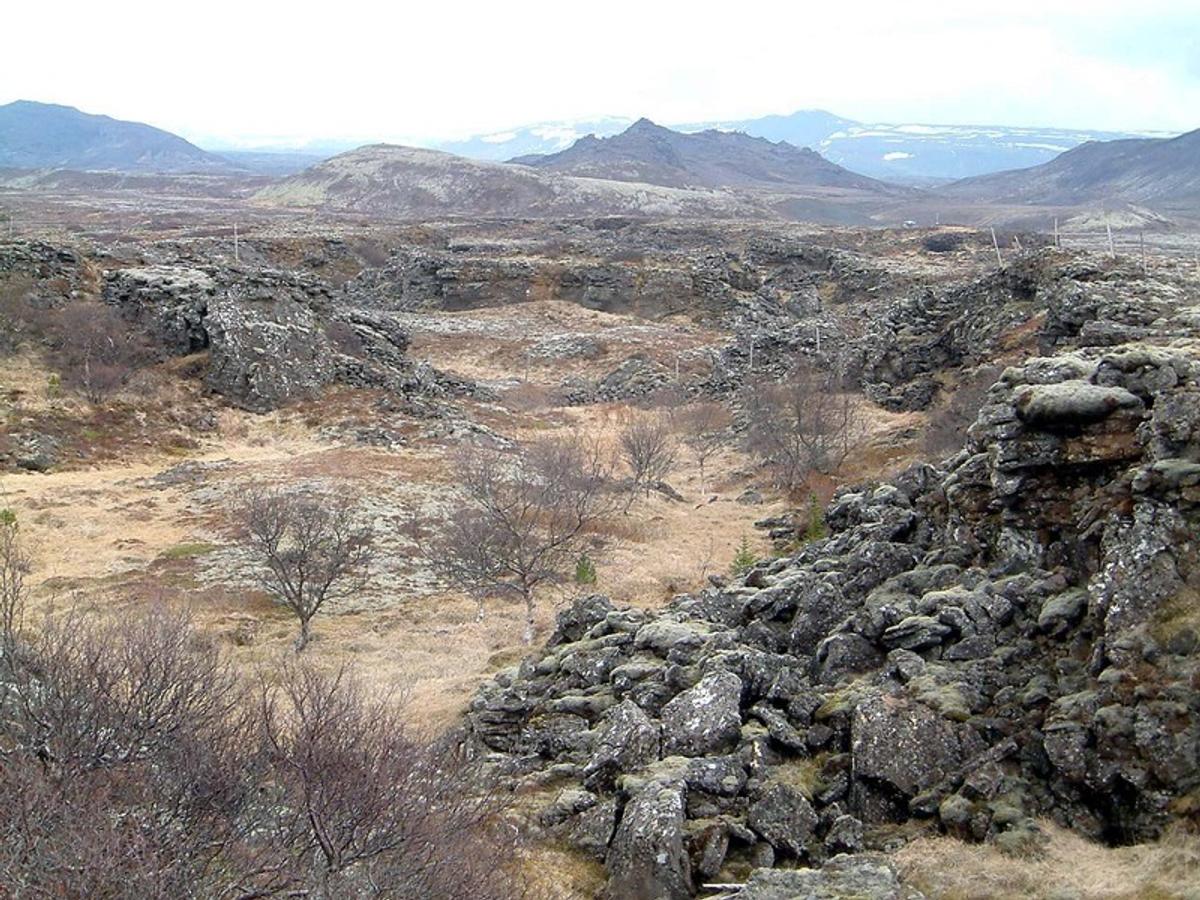
Kaldárhraun og Gjárnar
Kaldárhraun is a moss-covered lava field near Hafnarfjörður, known for dramatic fissures and volcanic landscapes.
About
About Kaldárhraun og Gjárnar
Kaldárhraun is a moss-covered lava field near Hafnarfjörður, known for dramatic fissures and volcanic landscapes.
A raw volcanic landscape with deep fissures and peaceful hiking areas close to Reykjavík.
Tours Near Kaldárhraun og Gjárnar
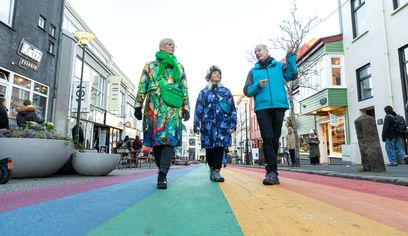
Private Reykjavik LGBTQ+ City Walk
Your Friend in Reykjavik · 3 hours
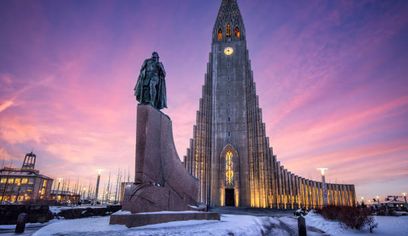
Private Reykjavik City Tour
Icelimo Luxurytravel · 4 hours
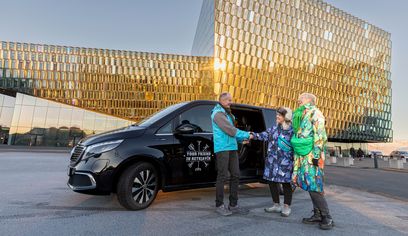
Private 3 hour Reykjavik Driving Tour
Your Friend in Reykjavik · 3 hours
Private 4 hour Reykjavik Driving Tour
Your Friend in Reykjavik · 4 hours
Photos
Gallery
Background
History & Background
Kaldárhraun was formed by volcanic eruptions on the Reykjanes Peninsula roughly 2,000–3,000 years ago. The area lies along the boundary between the Eurasian and North American tectonic plates, where ongoing geological activity continues to shape the landscape. Today, it is an important geological site, offering insight into volcanic processes and tectonic movement in Iceland.
Kaldárhraun and its associated fissures are part of a large lava field located near Hafnarfjörður in Iceland’s Capital Region. The area lies on the Reykjanes Peninsula, one of the most geologically active parts of the country, where the Eurasian and North American tectonic plates are gradually moving apart. The lava field was formed during volcanic eruptions approximately 2,000 to 3,000 years ago. As the lava cooled and solidified, tectonic forces continued to act on the region, creating cracks and fissures—known locally as gjárs—that run through the landscape. These features vary in size and depth, adding complexity and visual interest to the terrain. Over time, moss and other vegetation have slowly colonized the lava, creating a green layer over the dark volcanic rock. This fragile ecosystem develops very slowly and is highly sensitive to disturbance. Today, Kaldárhraun is a popular area for walking and outdoor exploration. Its proximity to urban areas makes it easily accessible, while its geological features provide insight into the natural forces that continue to shape Iceland.
Folklore
Story & Folklore
Walking through Kaldárhraun feels like stepping onto a frozen moment in geological time. The ground is uneven, shaped by flowing lava that hardened centuries ago, while deep fissures cut through the landscape like scars. Despite its rugged origins, the area feels quiet. Moss has slowly covered much of the lava, softening its appearance and absorbing sound. The result is a landscape that feels both harsh and calm at the same time. As you move across the terrain, the fissures appear unexpectedly—some narrow and deep, others wide and more gradual. They remind you that this land is still part of an active geological system. It’s not a place of dramatic peaks or waterfalls, but of subtle power. The longer you stay, the more the details begin to stand out, revealing a landscape shaped by time, pressure, and natural forces.
Did You Know?
The lava field formed around 2,000–3,000 years ago, and the fissures developed as the Earth’s crust slowly pulled apart along tectonic boundaries.
Location
Location
Discover
Explore Nearby
Places within 5.0 km
Loading nearby places…
0 places found within 5.0 km
Plan full itinerary →Explore More