

Jokulsargljufur Canyon
Northern section of Vatnajökull National Park featuring Dettifoss waterfall and Ásbyrgi canyon.
About
About Jokulsargljufur Canyon
Northern section of Vatnajökull National Park featuring Dettifoss waterfall and Ásbyrgi canyon.
Explore Iceland's most powerful waterfall and dramatic canyon landscapes.
Tours Near Jokulsargljufur Canyon
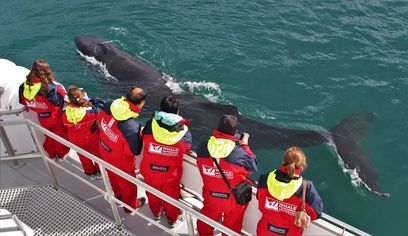
Akureyri Classic Whale Watching
Elding Adventure at Sea · 3 hours
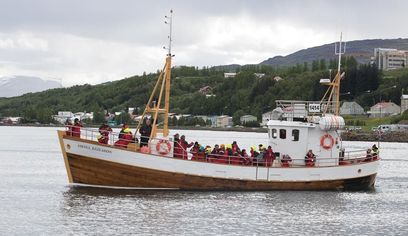
Whale Watching Tour w/ Transfer from Akureyri
Keli sea tours ehf · 4 hours
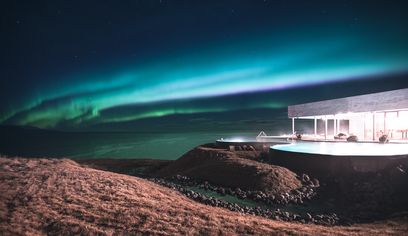
Northern Lights & GeoSea Geothermal Baths Tour (From Akureyri)
Imagine Iceland Travel · 5 hours
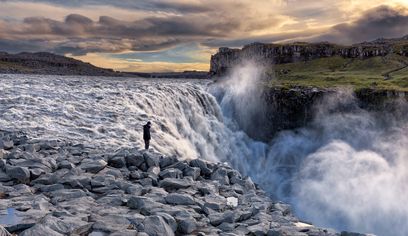
Dettifoss Waterfall, Ásbyrgi and Lake Mývatn - Shore Excursion from Húsavík
BusTravel Iceland · 5 hours 30 minutes
Photos
Gallery
Background
History & Background
Jökulsárgljúfur was established as a national park in 1973 to protect the dramatic canyon system and its unique geology. According to Norse mythology, Ásbyrgi canyon was formed by Óðinn's eight-legged horse Sleipnir touching down with one hoof. Scientists believe the canyon and surrounding landscape were shaped by at least two catastrophic glacial floods from eruptions beneath Vatnajökull, the most recent about 2,500 years ago. The area merged with Vatnajökull National Park in 2008.
Jökulsárgljúfur canyon is a spectacular 25-kilometer-long and up to 120-meter-deep canyon carved by the Jökulsá á Fjöllum river, Iceland's second-longest river. The canyon was formed by catastrophic glacial floods (jökulhlaups) following volcanic eruptions beneath Vatnajökull glacier, with the most recent major flood occurring around 2,500 years ago. The area became part of Vatnajökull National Park in 2008, having previously been an independent national park since 1973. Key attractions include Dettifoss (Europe's most powerful waterfall), the horseshoe-shaped Ásbyrgi canyon with its lush birch forest, Hljóðaklettar (echoing rocks) with unusual basalt formations, and countless smaller waterfalls and rock formations. The entire area showcases the raw power of nature and Iceland's volcanic and glacial forces working in concert.
Folklore
Story & Folklore
Jökulsárgljúfur — 'Glacial River Canyon' — is the largest canyon in Europe, carved by catastrophic glacial floods in the last 10,000 years. The canyon stretches 25 kilometres through the northern Highlands to Ásbyrgi at its northern end. The Jökulsá á Fjöllum river carved it in pulses: each time the subglacial Bárðarbunga volcano erupted under Vatnajökull, a catastrophic jökulhlaup (glacier flood) swept down the valley, carving the canyon walls deeper. Today the canyon holds Dettifoss (Europe's most powerful waterfall), Selfoss, Hafragilsfoss, as well as Hljóðaklettar's spiral basalt formations. The entire canyon is within Vatnajökull National Park.
Did You Know?
The canyon landscape was shaped by massive glacial floods thousands of years ago.
Explore
Hidden Gems Nearby
Best Time of Day
Visit Jokulsargljufur Canyon during golden hour (the hour after sunrise or before sunset) for the most beautiful light.
Iceland's low-angle sunlight creates long shadows and warm colors that transform ordinary scenes into extraordinary ones.
Local Knowledge
Ask locals for their favorite nearby spots — Icelanders are friendly and love sharing recommendations.
The best experiences often come from local tips about lesser-known viewpoints, cafés, or hidden natural features.
Weather Changes
Don't leave if the weather is bad — wait 15 minutes and it often changes dramatically.
Iceland's rapidly changing weather can transform a gray scene into a spectacular display of light and clouds in minutes.
Help
Frequently Asked Questions
Location
Location
Discover
Explore Nearby
Places within 5.0 km
Loading nearby places…
0 places found within 5.0 km
Plan full itinerary →Explore More